
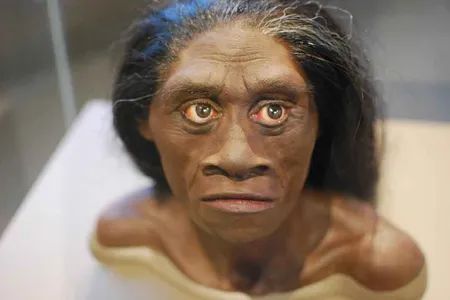
“Hobbits” Disappeared Much Earlier Than Previously Thought
If the tiny hominins ever coexisted with modern humans, the arrangement apparently didn’t last long

The Right Body Language Can Boost Odds of Online Dating Success
Potential partners size you up in seconds, and the way you sit or stand matters
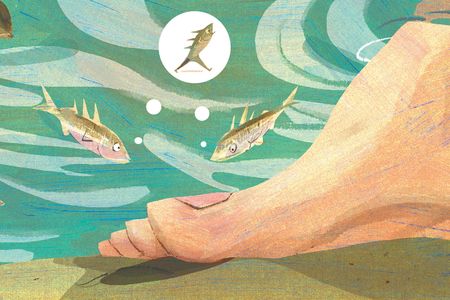
What a Tiny Fish Can Tell Us About How Humans Stood Upright
What is the root of why our ancestors gained the power to walk on two feet and chimpanzees didn’t?

Imagining an Alarming Future at Brazil’s Museum of Tomorrow
The ambitious museum looks at where humankind is headed—and asks how they’ll live in a post-climate-change world
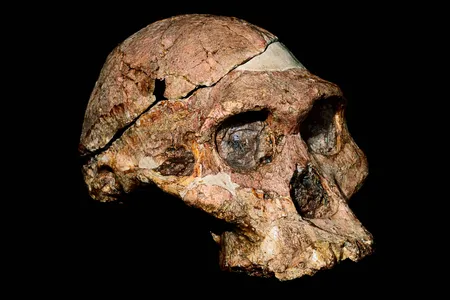
A Taste for Raw Meat May Have Helped Shape Human Evolution
Stone tools might have let our ancestors more easily chew and digest meat, which in turn may have changed our teeth and jaws
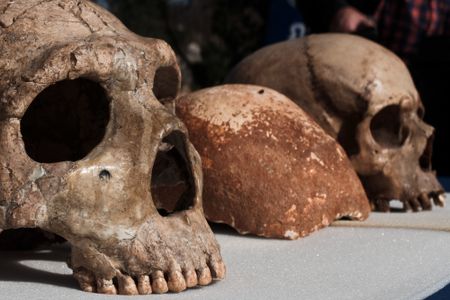
Humans May Have Had Romantic Rendezvous With Neanderthals 100,000 Years Ago
New DNA evidence suggests that ancient humans got busy with our stocky Neanderthal cousins much earlier than previously thought
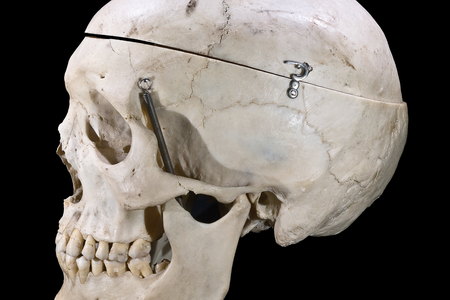
A Chin-Stroking Mystery: Why Are Humans the Only Animals With Chins?
It’s an evolutionary conundrum, and scientists are still divided over the answer

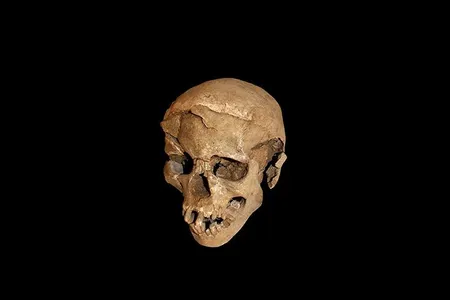
An Ancient, Brutal Massacre May Be the Earliest Evidence of War
Even nomadic hunter-gatherers engaged in deliberate mass killings 10,000 years ago
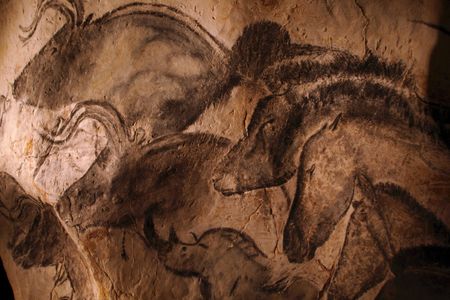
Chauvet Cave Paintings Could Depict a 37,000-Year-Old Volcanic Eruption
Mysterious paintings in the “Cave of Forgotten Dreams” led researchers to new evidence of ancient volcanic activity
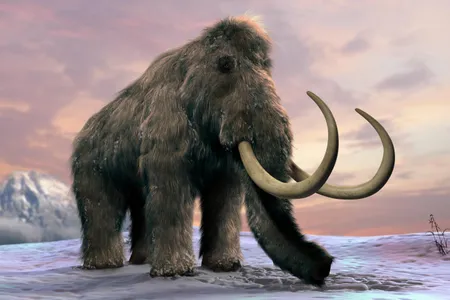
Humans Were in the Arctic 10,000 Years Earlier Than Thought
Distinctive cut marks on a Siberian mammoth represent the first known evidence of human hunters this far north

Thank Neanderthals for Your Immune System
Genes inherited from our ancient cousins may have helped fight off disease
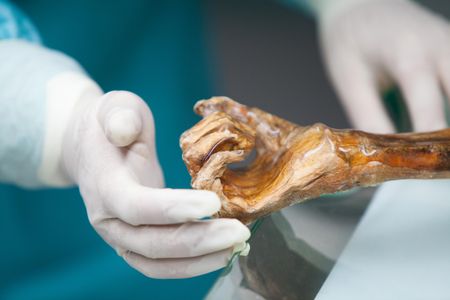
The Iceman’s Stomach Bugs Offer Clues to Ancient Human Migration
DNA analysis of the mummy’s pathogens may reveal when and how Ötzi’s people came to the Italian Alps
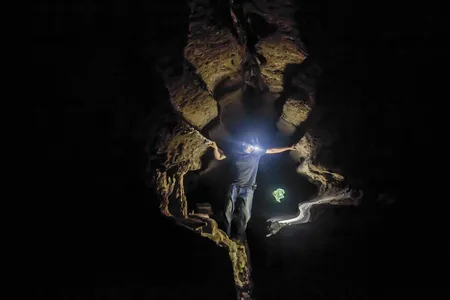
A Journey to the Oldest Cave Paintings in the World
The discovery in a remote part of Indonesia has scholars rethinking the origins of art—and of humanity
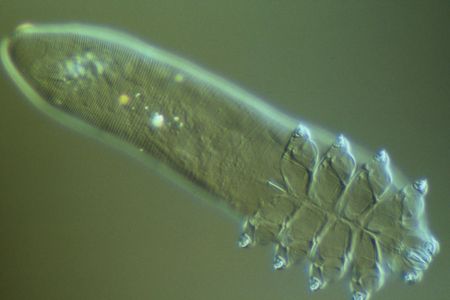
Your Hair Mites Are So Loyal Their DNA Reflects Your Ancestry
Mite DNA could hold clues to ancient human migrations and future skin health

Finally There’s a Scientific Theory for Why Some Words are Funny
The science behind Dr. Seuss
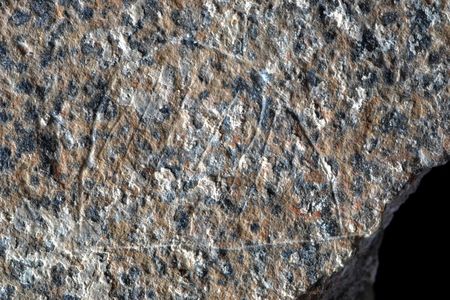
Does This Carving Depict a Paleolithic Campsite?
A chunk of stone may be marked with one of the oldest drawings of a human campsite

Europeans Only Started Digesting Dairy 4,000 Years Ago
They can enjoy that cheese thanks to ancient nomadic herders
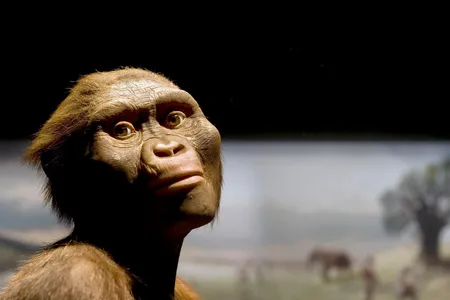
Lucy the Australopithecus Turns 41 (Plus 3.2 Million Years)
Lucy gets a Google Doodle for the anniversary of her discovery
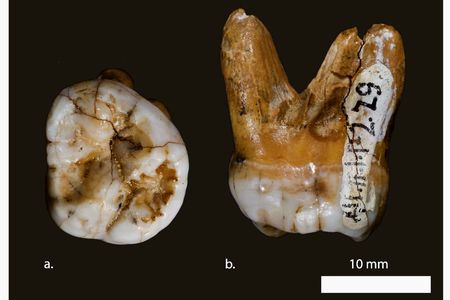
DNA from a Huge Tooth Confirms a New Ancient Cousin
The Denisovans may have co-existed and interbred with Neanderthals and Homo sapiens
Page 21 of 25