
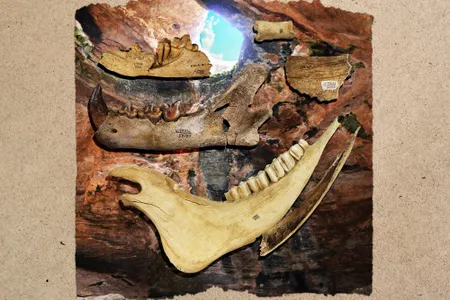
Journey Into a Prehistoric Cave That Trapped and Entombed Animals for Millennia
The animals that plummeted 85 feet into Wyoming’s Natural Trap Cave provide a layered history of life dating back to the Pleistocene
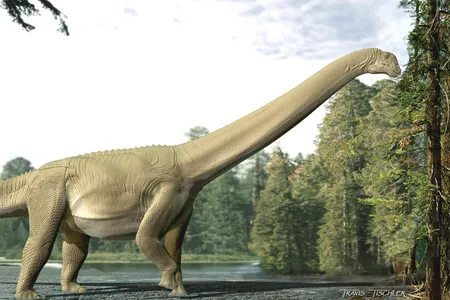
A recent discovery of a dinosaur’s preserved gut contents offers the first direct proof that sauropods were plant-eaters
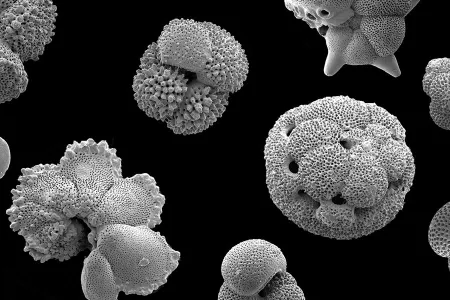
These Tiny, Beautiful Fossils Detail the History of the Ocean
Bountiful remains of foraminifera reveal how organisms responded to climate disturbances of the past
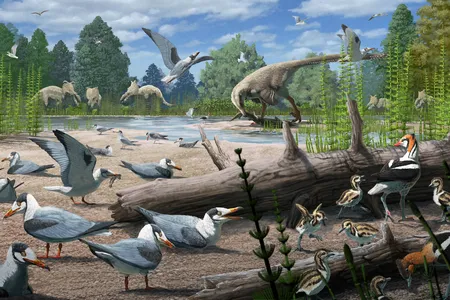
Scientists Find the First Evidence of Birds Nesting in the Arctic Alongside Dinosaurs
The researchers analyzed rare fossils of hatchling birds found in northern Alaska, which offered the earliest evidence of the creatures reproducing in a polar region
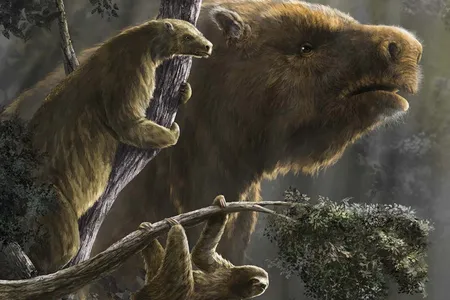
Researchers analyzed fossils and DNA to get a big-picture view of sloth evolution and determine what drove their immense size variation
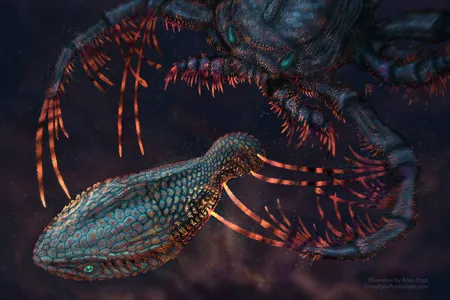
Our Teeth May Descend From Sensitive Bumps on Prehistoric Fish Armor, New Research Finds
Hundreds of millions of years ago, fish had sensory features on their exoskeletons that contained dentine, the material that makes our teeth sensitive today
This Deposit of ‘Weird’ Cretaceous Amber Could Reveal Hints to Long-Forgotten Tsunamis in Japan
A new study highlights the potential of amber fossils to capture evidence of powerful, prehistoric ocean waves
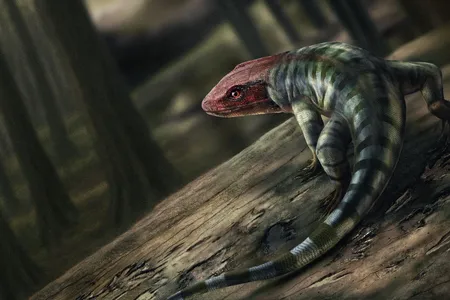
A new study suggests two fossil trackways found in Australia were made by an early amniote, a group that today includes reptiles, birds and mammals
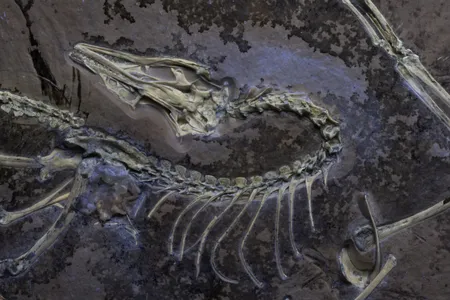
The Chicago Archaeopteryx features more soft tissue and delicate skeletal details than any known fossil of its kind, and paleontologists discovered it has a set of feathers key to flight in modern birds
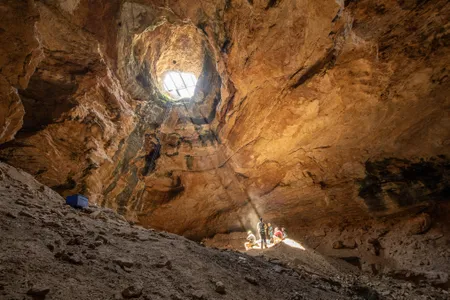
Rooted in the American West: Food, History and Culture
At a site known as Natural Trap Cave, a team of scientists are rappelling down to uncover the secrets of what the Earth was like during the Pleistocene
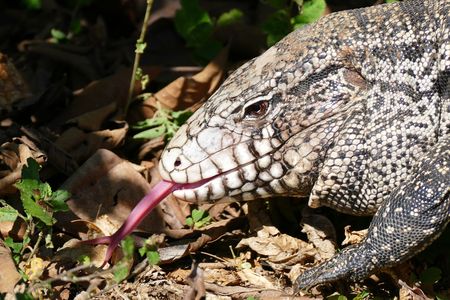
Mysterious Fossil Found in Museum Storage Turned Out to Be a New, Extinct Lizard Species
Today, tegus are considered invasive creatures in Florida, but a new paper suggests they’ve lived in the southeastern United States at least once before—millions of years ago

New discoveries in the Dominican Republic suggest sebecids roamed the Caribbean as recently as 4.5 million years ago, long after they vanished from South America
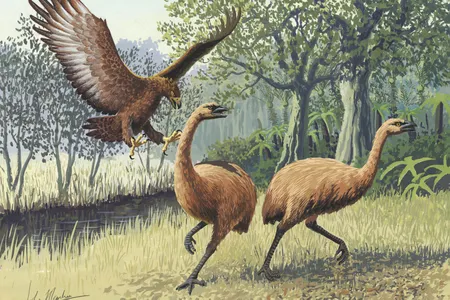
Why Have Birds Never Gotten as Big as T. Rex?
Even the most massive birds have never reached the sizes of their dinosaur relatives
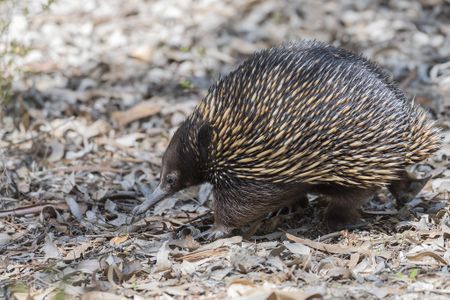
A Single Prehistoric Bone Might Rewrite the History of the World’s Strangest Mammals
Analysis of the fossil suggests that the only two egg-laying mammals, platypuses and land-based echidnas, both descended from a semi-aquatic creature
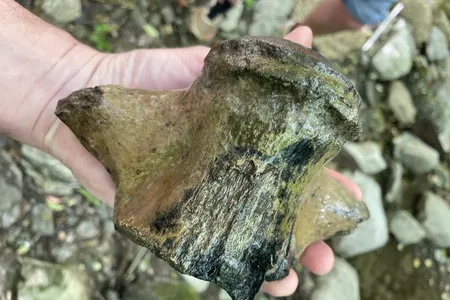
Researchers uncovered one vertebra, and based on its size, they estimate the massive creature was at least 30 feet long when it roamed the shallow seas that covered the region roughly 66 million years ago
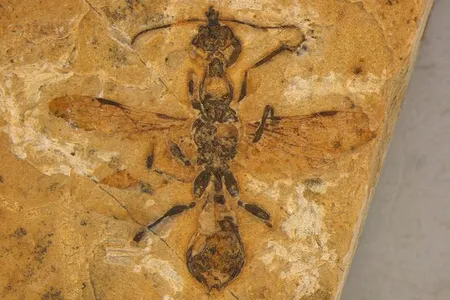
The odd-looking specimen with scythe-like jaws indicates that early ants were spread widely across the globe while dinosaurs still roamed
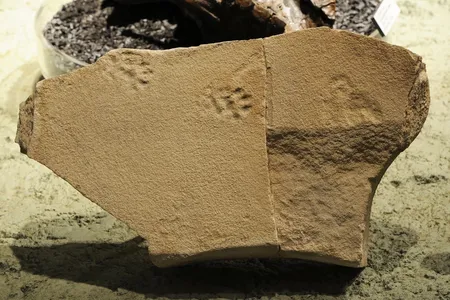
Scientists revisited tracks made by a shorebird, a lizard, a cat-like predator and some sort of large herbivore at what is now John Day Fossil Beds National Monument
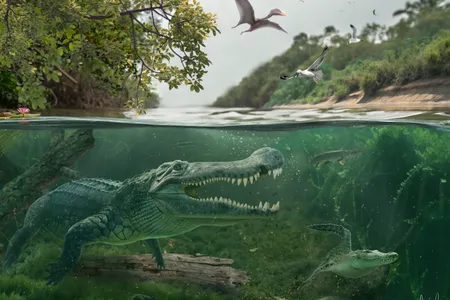
A new study indicates the giant reptile Deinosuchus is not a close relative of modern alligators, as scientists previously thought, and it might have thrived by tolerating saltwater
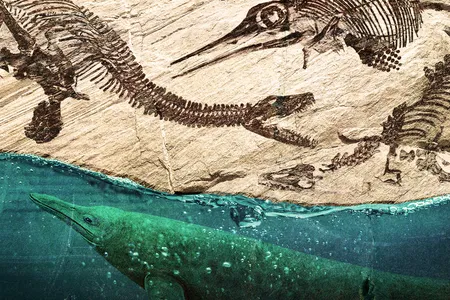
The creatures cruised the world’s oceans with features we often associate with marine mammals, such as coats of blubber and the ability to birth live young
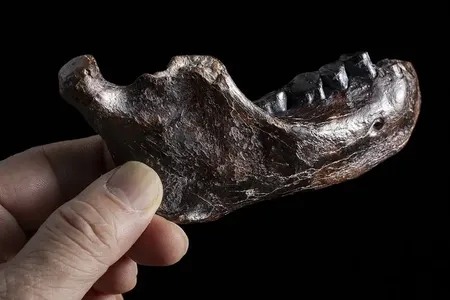
Mysterious Jawbone Found at an Antique Shop in Taiwan Belonged to a Male Denisovan, Scientists Say
The fossil, called Penghu 1, is one of the few known pieces of physical evidence from the Denisovans, extinct relatives of modern humans. It suggests the species lived in diverse environments
Page 8 of 63