
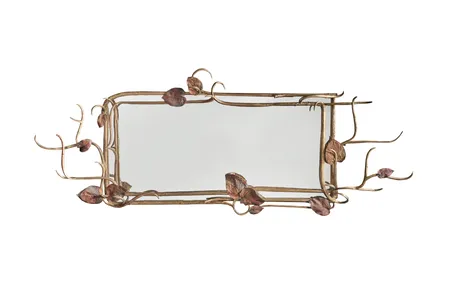
Claude Lalanne created the reflective ensemble for designer Yves Saint Laurent. Experts say it’s second in importance only to the famous mirrors at the Palace of Versailles
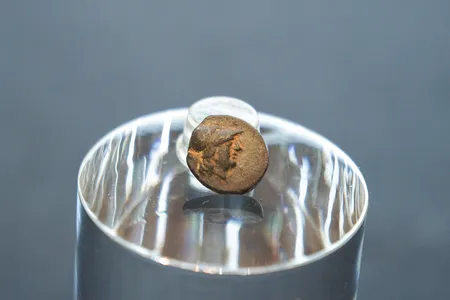
Minted in Troy in the third century B.C.E., the object might have been buried as a gift to the dead. Archaeologists don’t know exactly how it ended up in modern-day Germany
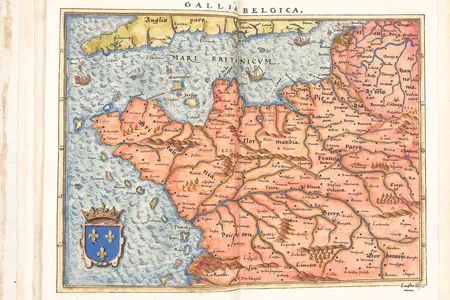
Created for Mary I, the first woman to rule England in her own right, the book is “perhaps the most significant artifact of Tudor intellectual history still in private hands,” the seller says
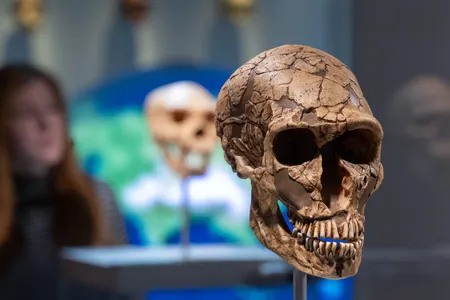
Specific genomic regions that seem to play a role in human language development evolved hundreds of thousands of years ago, before humans and Neanderthals diverged from a common ancestor, a new study finds
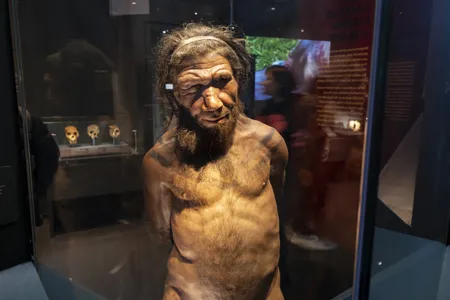
When the climate cooled, the population of Neanderthals shrank. Most that lived between 60,000 and 40,000 years ago were descended from the same lineage and had very similar DNA
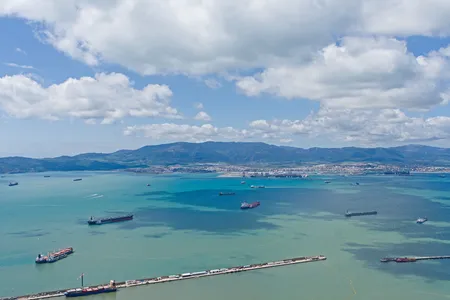
The “harbor” of the Strait of Gibraltar is the final resting place for shipwrecks from ancient Rome, the medieval era and World War II, according to a new archaeological survey
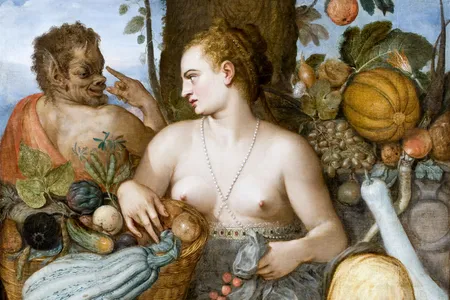
An exhibition in Brussels spotlights 90-plus artworks featuring golden-haired muses, greedy old men and those deemed unattractive simply because they were different
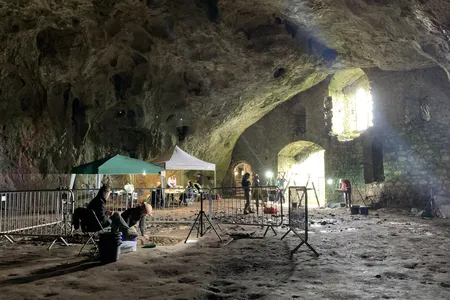
In a cave tucked beneath the Welsh landmark, archaeologists have found evidence of human and animal visits over the past 120,000 years. Now, they’re starting a five-year excavation project
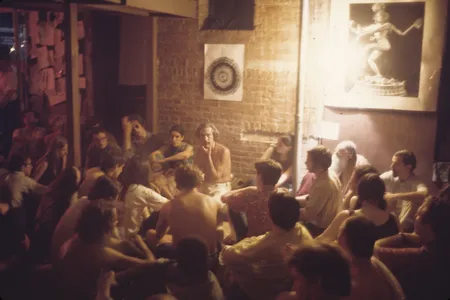
In 1943, a chemist in Switzerland synthesized a drug that alters consciousness. His discovery changed the study of medicine, psychiatry and biology—and became a central component of the counterculture movement
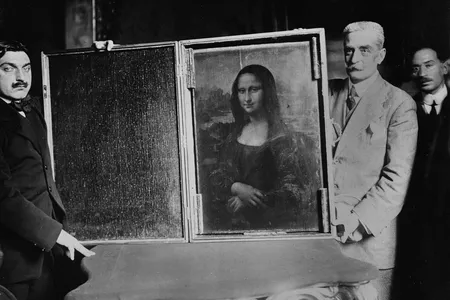
Known for spectacles like “The Phantom of the Opera,” Broadway’s most commercially successful composer now wants to tell the story of the world’s most famous painting
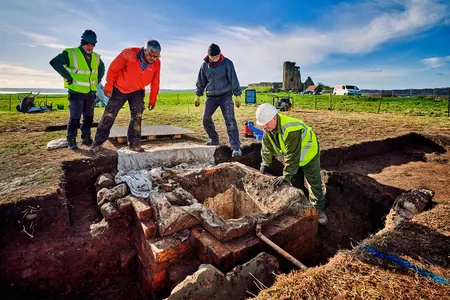
Archaeologists uncovered a relic of the 20th-century conflict beneath Scarborough Castle, decades after the bunker was sealed and its exact location was forgotten

Diary entries by the Japanese poet Fujiwara no Teika, along with other historical sources from across Asia and Europe, played pivotal roles in a new study
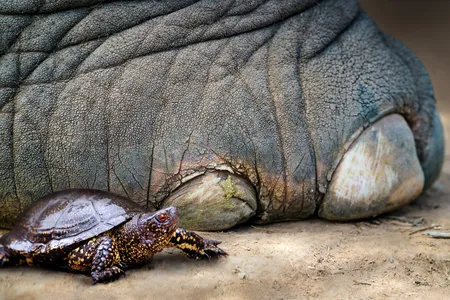
New research based on fragments discovered at the Neumark-Nord site in Germany suggests Neanderthals may have transformed the shells into tools
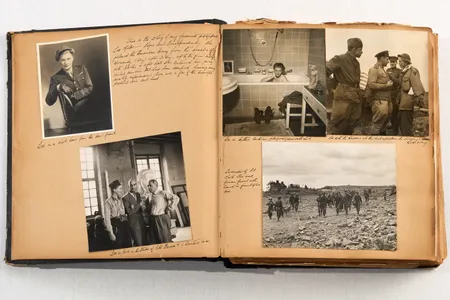
A rediscovered scrapbook showcases never-before-seen images by Lee Miller, a war correspondent for British “Vogue” who followed American troops through Europe
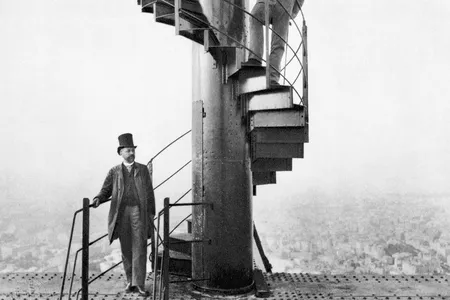
The 1,062 steps connecting the tower’s second and third levels were installed in 1889. Fragments from the 137-year-old staircase can be found at several French museums
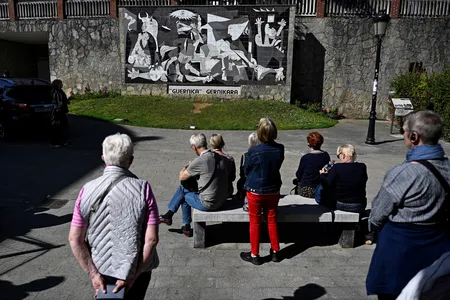
The artwork depicts the bombing of a Basque village in 1937. Now, the relocation debate is raising questions about how to balance the painting’s cultural significance with conservation needs
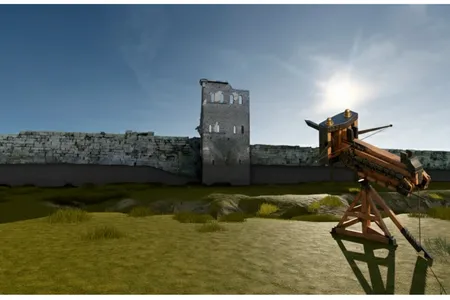
Ancient Roman forces may have used the polybolos to quell a rebellion at Pompeii in 89 B.C.E. The unique weapon was likely developed by a Greek engineer centuries earlier
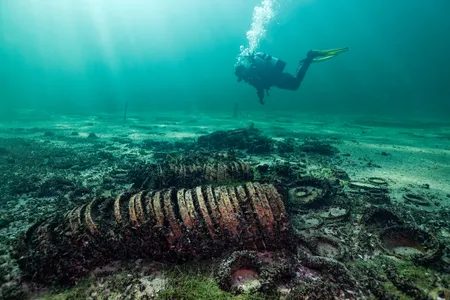
Divers recovered weapons, tools, pieces of horse-drawn chariots, ceramic plates, platters and goblets. One archaeologist surmises that the loss would have been “immense” at the time
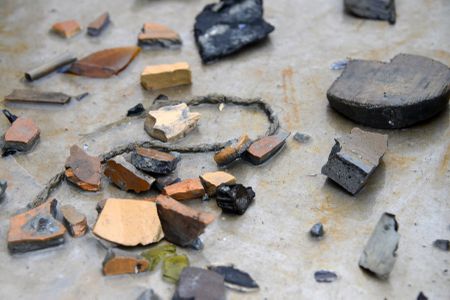
The destruction of the “Dannebroge” was documented in art and history books. Now, thanks to a museum’s excavations, archaeologists can study the wreck up close for the first time
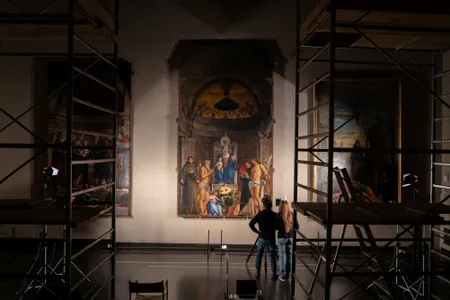
The two-year project is expected to cost around $580,000, and visitors to the Gallerie dell’Accademia in Venice will be able to observe the process in person
Page 6 of 82