Subscribe to Smithsonian magazine and get a FREE tote.

England

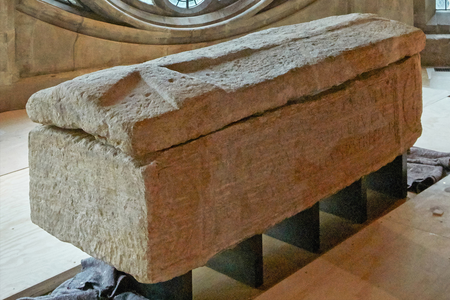
The Roman sarcophagus is on view in the Queen’s Diamond Jubilee Galleries at Westminster Abbey.

Archaeologists May Have Solved the Mystery of a Roman Sarcophagus Excavated at Westminster Abbey in 1869

New research suggests that the ancient coffin was repurposed in the 10th or 11th century to hold the remains of an abbot who had overseen the London monastery
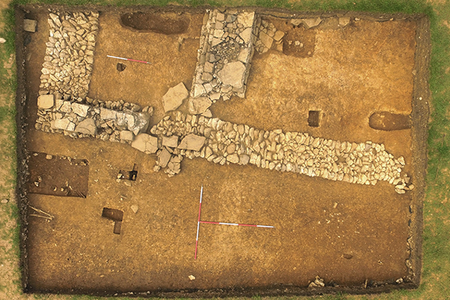
Researchers examined three cemeteries across the Peak District.

Cool Finds

To Understand Social Divides in Medieval England, Archaeologists Examined Tooth Enamel From Lead Mining Communities

Some residents of the Peaks District in the 13th century may have experienced worse lead pollution than city-dwellers during the Industrial Revolution. Female skeletons showed higher lead levels and earlier ages of death
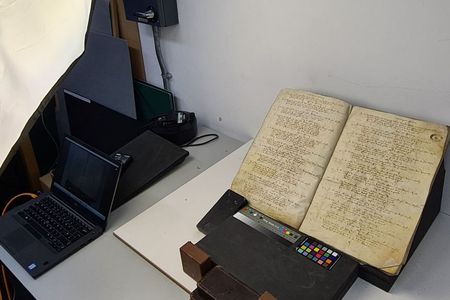
Researchers used artificial intelligence to read through old British port records.

A Vast New Database Shows How Britain Built a Global Empire by Trading Goods Like Coal, Wine and Wood Closer to Home

Using AI to comb through hundreds of thousands of handwritten pages of port records, historians have constructed an interactive map of Britain’s maritime trading routes. Even as it expanded in Asia and the Americas, Britain’s commerce with Europe remained overwhelming
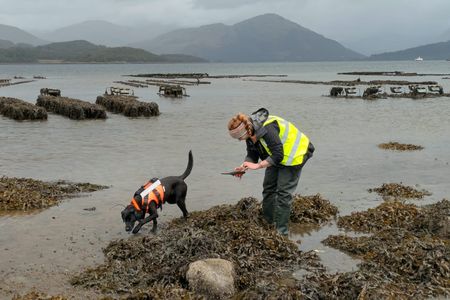
Carpet sea squirt colonies threaten fisheries and native species.

This Dog Learned to Sniff Out a Slimy Marine Invader Called ‘Sea Vomit’—a Skill That Earned Her the Animal of the Year Award

Sgiath, a 6-year-old Labrador from the Scottish Highlands, received the honor from the International Fund for Animal Welfare. She’s believed to be the first pup trained to hunt for the invasive carpet sea squirt, which is threatening marine life along the British coast and elsewhere
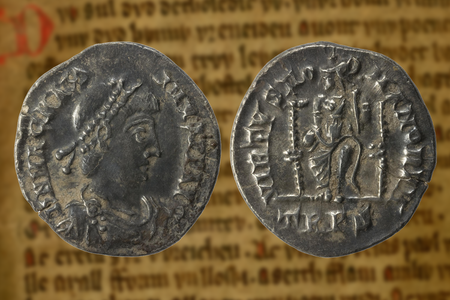
A coin bearing the likeness of the fourth-century C.E. Western Roman emperor Magnus Maximus, overlaid atop a page from a medieval manuscript of the Mabinogion

Cool Finds

Legend Has It That This Roman Emperor Established a Camp in Wales. A Newly Discovered Fort May Offer Proof That It Really Existed

An archaeologist has uncovered an ancient fortification linked to Magnus Maximus, a fourth-century ruler who is immortalized in the medieval “Mabinogion” stories as Macsen Wledig
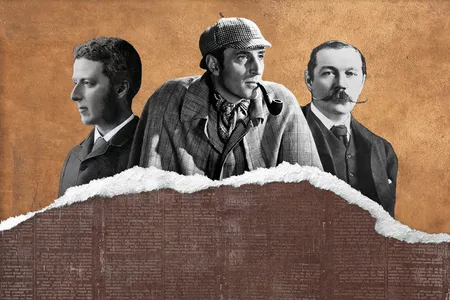
Physician Joseph Bell (left) inspired Sherlock Holmes (center, as portrayed by actor Basil Rathbone), the detective created by writer Arthur Conan Doyle (right).

Arthur Conan Doyle Based Sherlock Holmes on a Real-Life Scottish Surgeon Who Used Deduction to Diagnose Patients and Investigate Crimes

A new book chronicles the exploits of Joseph Bell, an Edinburgh lecturer whose lessons sparked the creation of the world’s most famous detective
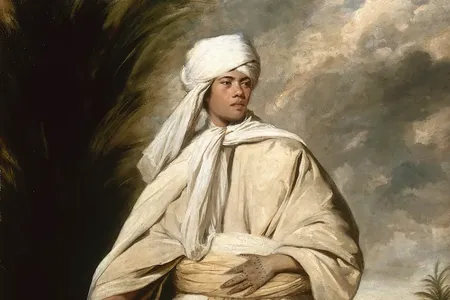
Joshua Reynolds, Portrait of Mai, circa 1776 

A Monumental 18th-Century Portrait of a Young Polynesian Man—a ‘Supreme Work of Art’—Visits the U.S. for the First Time

The massive “Portrait of Mai” depicts the first Pacific Islander to visit Britain, a young man who became a quasi-celebrity in the 1770s after joining the expedition of explorer James Cook
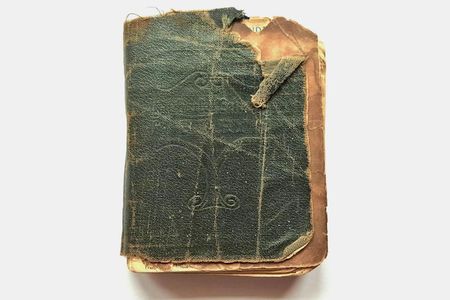
Claude Nuttall's pocket diary measures just under four inches long.

This Soldier Kept a Diary in the Trenches of World War I. A Child Found It at the Dump Decades Later, Pierced by a Bullet and Stained With Blood

Corporal Claude Nuttall recorded his wartime experiences in the diary. Now, after decades of research, a museum curator is telling the soldier’s story in a new book
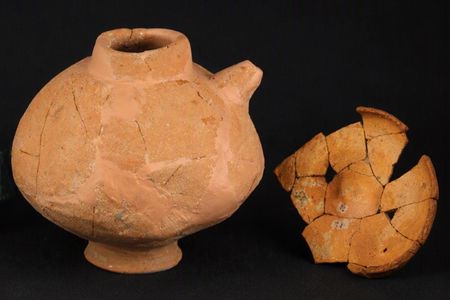
The tettina was found broken into pieces in 2011.

Cool Finds

Mourners Placed an Ancient Sippy Cup in a Roman Toddler’s Grave. It May Have Been Meant to Sustain the Child on the Journey to the Afterlife

Fragments of the spouted cup, known as a “tettina,” were unearthed in England over a decade ago. It has recently been restored and put on display for the first time
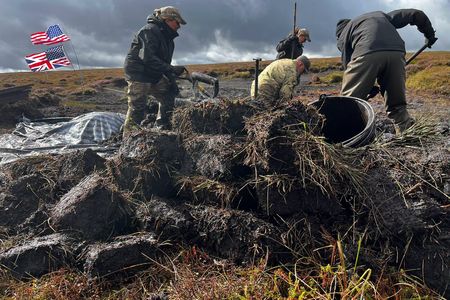
Archaeologists excavating near the crash site

After an American Bomber Crashed Into an English Moor During World War II, a Corporal Was Declared Missing in Action. Archaeologists Have Now Revived the Search for His Remains

Corporal Clarence Watson was among 10 American airmen aboard a B-24H Liberator when it crashed under foggy conditions. The crew was training for Operation Carpetbagger, a top-secret effort to fly deep into Nazi-occupied Europe
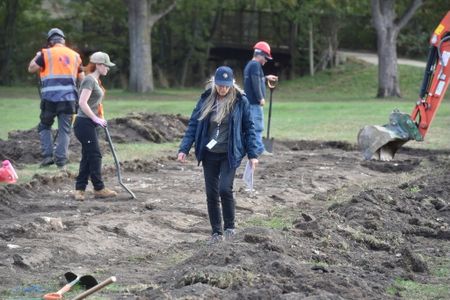
"Time Team" archaeologist Carenza Lewis helped supervise the dig.

Cool Finds

Volunteers Are Helping Unearth One of England’s Oldest Leprosy Hospitals, Giving a Glimpse Into How Victims of the Disease Were Treated in Medieval Times

Researchers believe that the Hospital of the Holy Innocents, founded in the 11th or 12th century, may have had “little houses with a little yard” for up to 20 people with leprosy. “You’d need to have resources to get in here,” one archaeologist says.
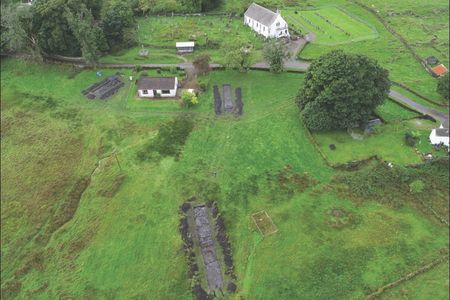
An aerial view of the archaeological trenches dug around Lismore's parish church, a 13th-century cathedral

Cool Finds

A Community-Led Archaeology Dig on a Tiny Scottish Isle Has Unearthed a Medieval Monastery of ‘International Importance’

The settlement, founded by an early Christian saint in the 500s, is “far more than a small island church.” It may have played a larger role in the Christianization of Britain than historians once realized
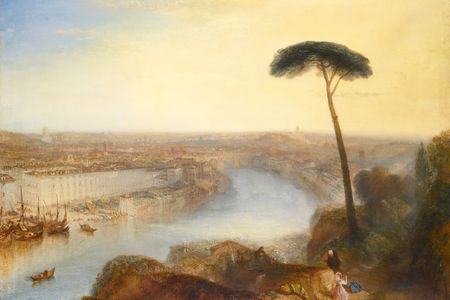
Rome, From Mount Aventine, J.M.W. Turner, 1836

J.M.W. Turner Painted This Breathtaking Roman Landscape Nearly 200 Years Ago. If You Look Closely, You Can Still See His Fingerprints

The Romantic painter completed “Rome, From Mount Aventine” in the 1830s. It became his most expensive artwork in 2014, and it’s expected to sell for another record-breaking sum in December
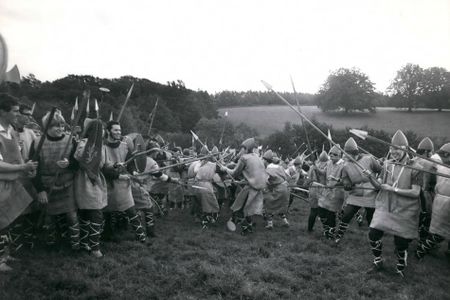
Students from the universities of Kent and Sussex fighting at the first Battle of Hastings re-enactment on October 14, 1966

Cool Finds

Hundreds of British College Students Clashed With Wooden Swords in a 1966 Re-enactment of the Battle of Hastings. Watch the Rediscovered ‘Time Capsule’ of Lost Footage

A local videographer shot 300 reels of color film during the re-enactment, which shows “soldiers on foot getting remarkably close to horses” and “a rather relaxed attitude towards health and safety.” The event sparked an annual tradition that continues to this day
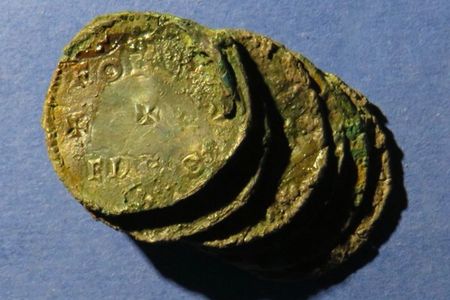
Twenty coins discovered in Rome may be the first physical evidence of a "Little England" enclave.

Cool Finds

What Are Medieval English Coins Doing in Rome? They Could Be Rare Evidence of a ‘Little England’ Enclave That Received Special Papal Privileges

Researchers argue that the tenth-century coins provide new evidence of a bustling English community located next to the Vatican that was permitted to use its own currency
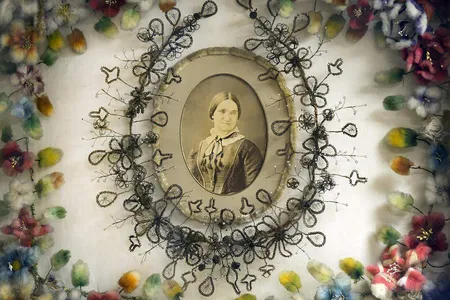
Dozens of Victorian-era “hairworks” from Leila’s Hair Museum, which closed for good last year, are now on display at the Morbid Anatomy Library in Brooklyn.

Dozens of Curious Artworks Created With Woven Strands of Human Hair Come to New York’s Morbid Anatomy Library

So-called hairworks were popularized during the Victorian era as a means of grieving the deceased
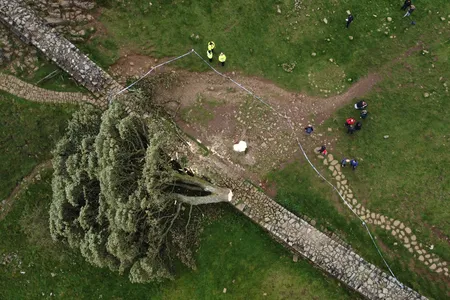
The tree was discovered in two pieces on the morning of September 28, 2023.

England’s Beloved Sycamore Gap Tree Is Showing Signs of Life, Three Years After Vandals Chopped It Down

Numerous leafy shoots are now sprouting around the base of the tree’s stump, which is located near Hadrian’s Wall in northern England
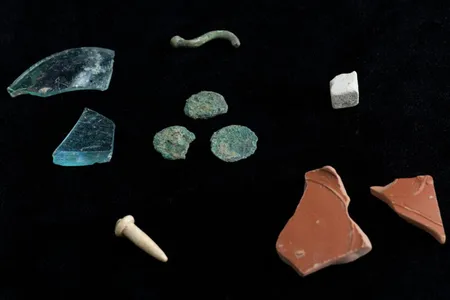
A few of the ancient Roman artifacts found beneath the Bath Assembly Rooms

When Jane Austen Took a Turn About the Ballroom in Bath, Ancient Roman Artifacts Were Hiding Beneath Her Feet. Now, Archaeologists Have Finally Found Them

Recent excavations at the Bath Assembly Rooms in England revealed Roman-era coins, roof tiles, pottery, glassware, a network of ditches and a fragment of a military helmet
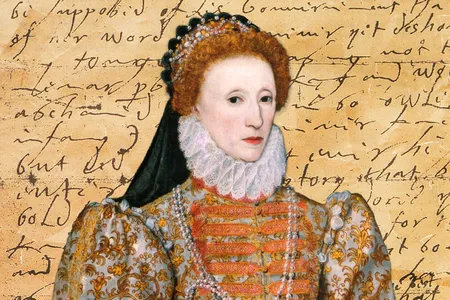
Work on Elizabeth I’s letters has focused on identifying the English queen’s “voice” within them. Yet they were often the products of collaboration between Elizabeth and her secretaries.

Who Wrote Elizabeth I’s Most Scathing Letters? New Research Suggests the Tudor Queen’s Male Secretaries Revised Her Correspondence to Emphasize Her Temper

An analysis of more than 500 missives found that Elizabeth’s advisers crafted and even intensified the expression of emotion in her messages to such figures as Mary, Queen of Scots, and James VI of Scotland
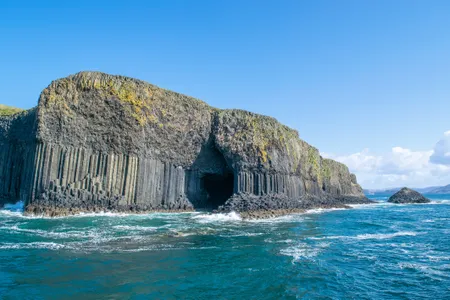
On Scotland's uninhabited island of Staffa, Fingal’s Cave is formed from tall basalt columns created by ancient volcanic activity.

Seven Places in Europe That Legends Say Were Built by Giants, Devils or Dragons

Bridges, mountains, caves and rock formations that seem impossible to explain become magnets for folklore

Page 1 of 48