
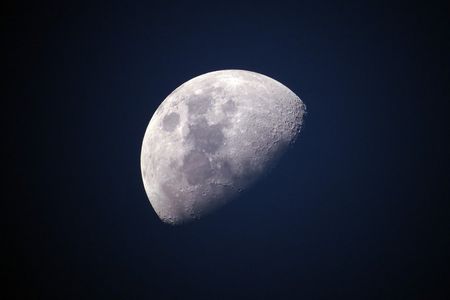
Sending DNA From Earth’s 6.7 Million Species to the Moon to Safeguard Life
Researchers propose constructing a ‘lunar ark’ to provide our planet with a ‘reset button’ in the event of a world-ending catastrophe
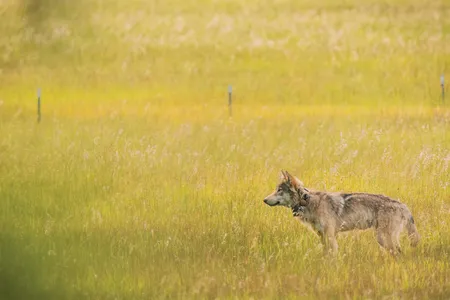
The Wolf That Discovered California
Nearly a century after the last wolf was eradicated in the state, a lone female arrived and established a pack. Not everyone is cheering
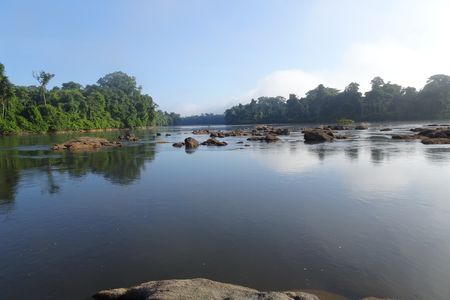
One-Third of Freshwater Fish Species Are at Risk of Extinction
Humans have severely damaged more than half of the world’s rivers
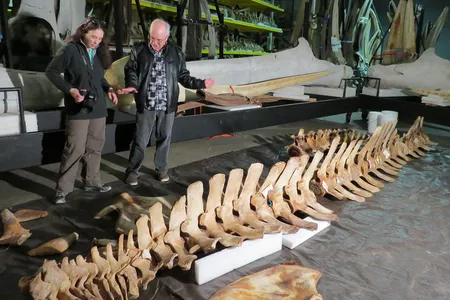
How the Rice’s Whale Became a New Species
The intact skeleton of a washed-up whale gave scientists the final pieces of evidence needed to make the designation
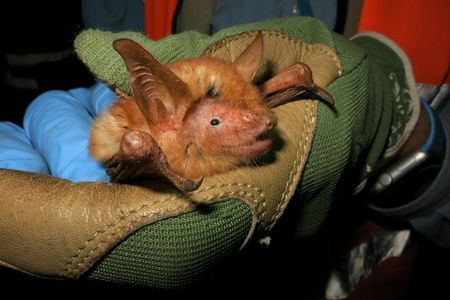
Newly Discovered Bat Species Has Halloween Colors
The six-ounce bat lives in abandoned mine shafts in Guinea’s Nimba Mountains

Meet Ernie and Betty White: Two Conservation Dogs Sniffing Out Invasive Species in Wisconsin
These aren’t the only Labradors using their powerful sense of smell to aid in wildlife preservation efforts
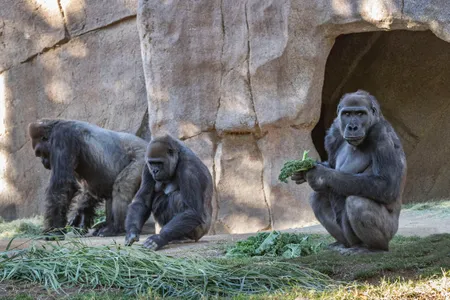
Gorillas at California Zoo Test Positive for Covid-19
Three iconic primates at the San Diego Zoo Safari Park show mild symptoms, including lethargy and runny noses
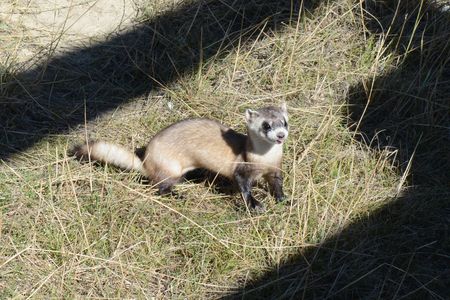
Experimental Covid-19 Vaccine Reaches America’s Endangered Ferrets
Black-footed ferrets are close relatives of minks, which have seen coronavirus outbreaks on fur farms
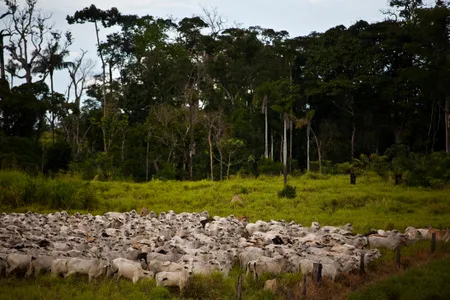
Agriculture’s Growing Footprint Could Threaten 17,000 Species With Habitat Loss
New research projects 1.3 million square miles of habitat will be converted to croplands by 2050
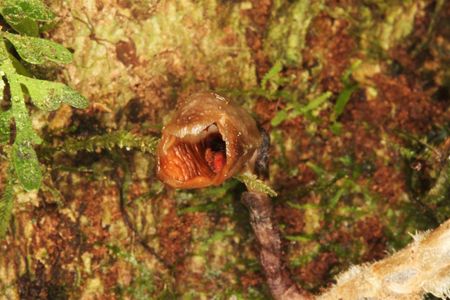
Behold the World’s Ugliest Orchid, According to Botanists
Surprisingly, the plant’s fleshy, brown flowers don’t smell so bad
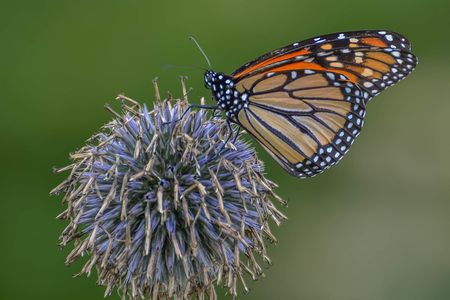
Why Monarch Butterflies Aren’t Getting Endangered Species Status
Monarch butterflies qualify for protections, but 161 other species have higher priority
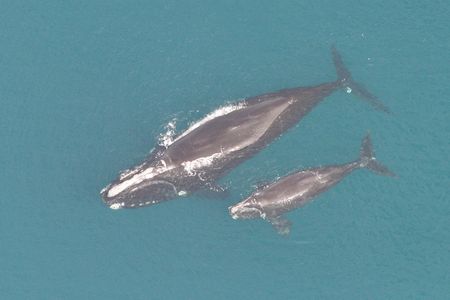
Biologists Celebrate the Births of Two Critically Endangered North Atlantic Right Whale Calves
With a population of around 366 whales, ‘every individual counts’ in coming back from the brink of extinction
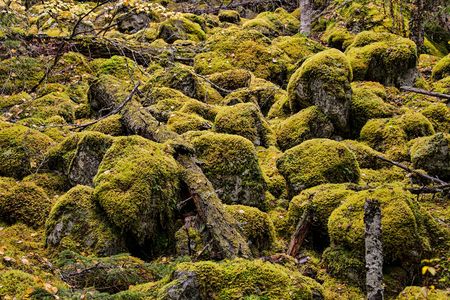
Will the Slender-Yoke Moss Be Saved?
In the crush of conservation priorities, scientists grapple with how to help an endangered species with no obvious value

These Non-Lethal Methods Encouraged by Science Can Keep Wolves From Killing Livestock
Experts say old, repurposed techniques and new technologies may be better than bullets at curbing attacks by the predators
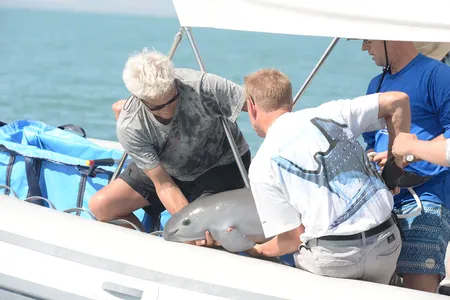
Vaquita Genome Offers Hope for Species’ Survival
A new study suggests the marine mammal can recover naturally if illegal fishing is eliminated
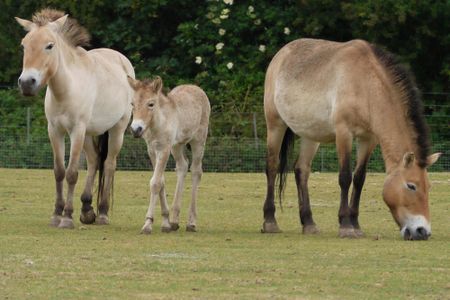
Scientists Cloned an Endangered Wild Horse Using the Decades-Old Frozen Cells of a Stallion
The cloned foal will hopefully provide an ‘infusion of genetic diversity’ as conservationists work to restore the Przewalski’s horse’s population
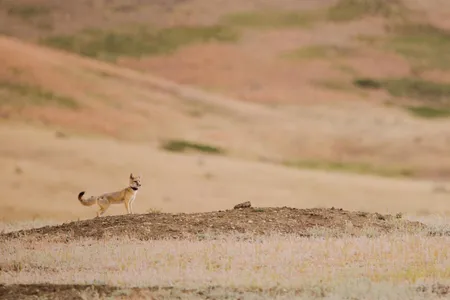
Tribes Reintroduce Swift Fox to Northern Montana’s Fort Belknap Reservation
After absence of more than 50 years, the pint-sized predator returns to the prairie
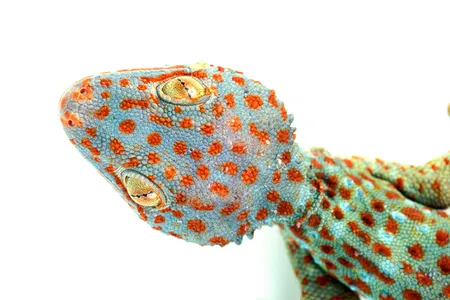
A Quarter of All Reptile Species, Many of Them Endangered, Are Sold Online
A new study finds 75 percent of the species sold are not regulated by any trade agreement
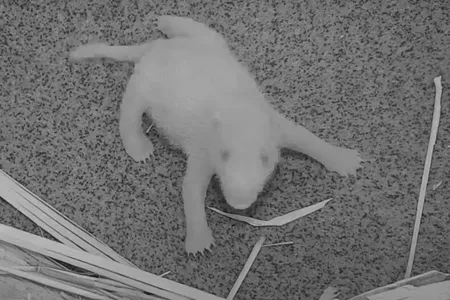
Giant Panda Mama Gives Birth to Baby Cub at National Zoo
The pink, squeaking infant is about the size of a stick of butter and will be named in 100 days
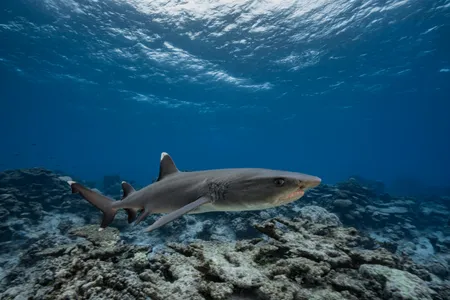
Reef Sharks Are in Serious Danger of Extinction
Researchers found that the sharks are ‘functionally extinct’ in 20 percent of coral reefs surveyed
Page 15 of 34