
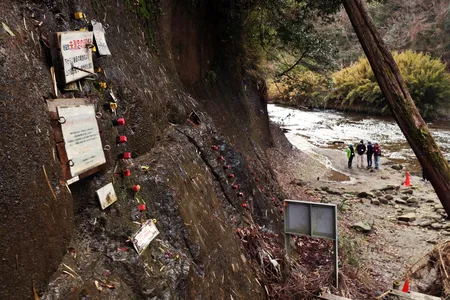
The ‘Chibanian Age’ Is the First Geologic Period Named After a Site in Japan
The period is named for Japan’s Chiba prefecture, where a cliff shows evidence of the most recent reversal of Earth’s magnetic field
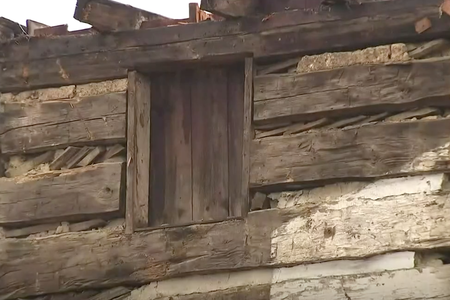
18th-Century Log Cabin Discovered Beneath Condemned Pennsylvania Bar
The structure can be saved, experts say, but whether it can stay in the local community remains unclear
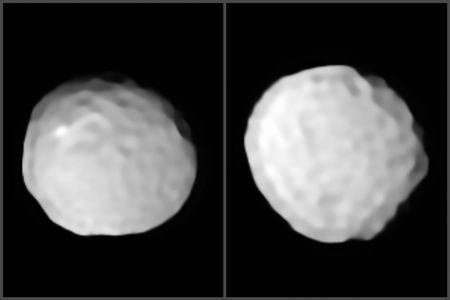
The Most Cratered Object in the Asteroid Belt Looks Like a Golf Ball
Pallas’s odd orbit sends it crashing through the asteroid belt, colliding with other objects along the way
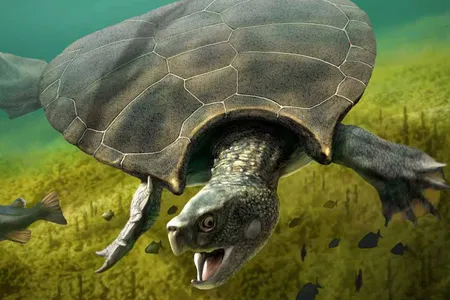
Gigantic Turtles Fought Epic Battles 10 Million Years Ago—and Have the Scars to Prove It
Their shells were 10 feet wide and equipped with foot-long horns on both shoulders
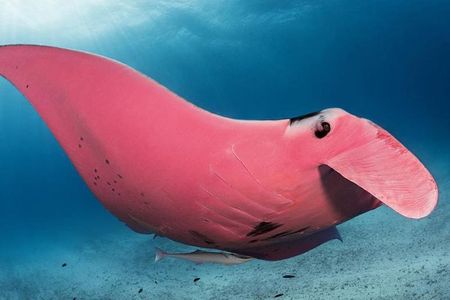
Rare Pink Manta Ray Spotted Near Australia’s Lady Elliot Island
Researchers suspect a genetic mutation may have gifted the giant fish, named Inspector Clouseau, his rosy hue

The F.D.A. Will Now Allow Lab Animals to Be Adopted
F.D.A. joins the National Institutes of Health and the Department of Veteran Affairs in adopting a lab animal retirement policy
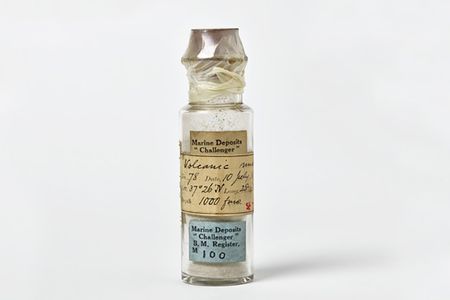
Museum’s 150-Year-Old Plankton Have Thicker Shells Than Their Modern Counterparts
The HMS Challenger’s expedition in the 1800s provides a baseline for ocean health as the climate changes
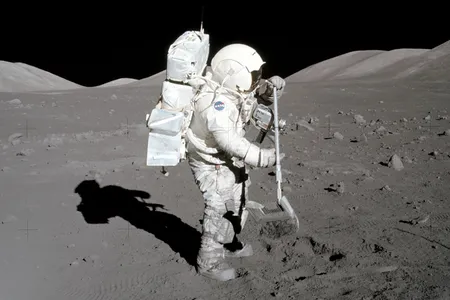
In a Single Grain of Moon Dust, ‘Millions of Years’ of Lunar History
Researchers can now analyze precious samples of lunar rock atom by atom

This Glass Gaming Piece May Hail From First Viking Raids in England
Discovered on the island of Lindisfarne, the artifact was likely once part of a Hnefatafl board game set
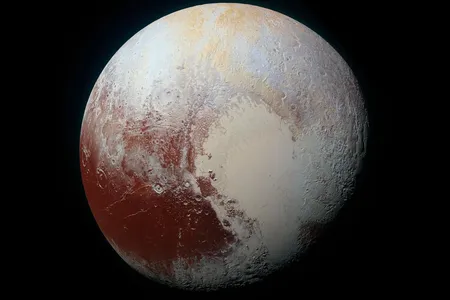
Pluto Has a Nitrogen Heartbeat
Nitrogen on the dwarf planet’s glacial ‘heart’ becomes vapor each day and freezes each night
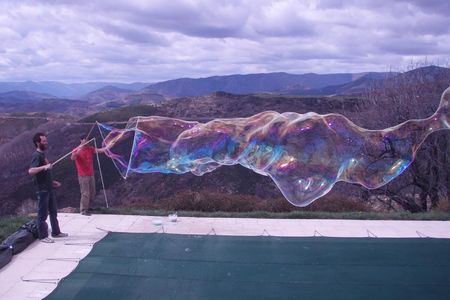
Here’s How to Blow the Perfect Giant Soap Bubble, According to Physics
Sometimes, science really blows
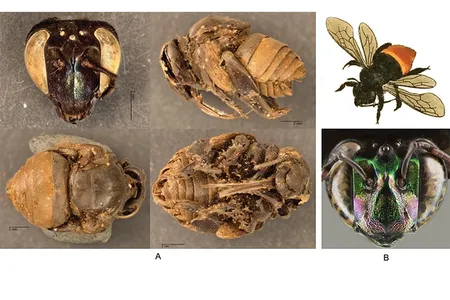
150-Year-Old Mummified Bee Nests Found in Panama City Cathedral
The nests, covered in gold leaf and paint, act as a time capsule for the surrounding environment circa 1870
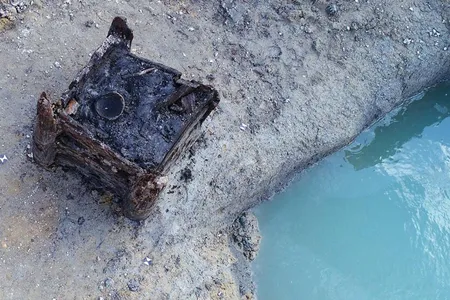
This Czech Well May Be the World’s Oldest Wooden Structure
Researchers suspect the 7,200-year-old well stayed intact because it spent several centuries underwater
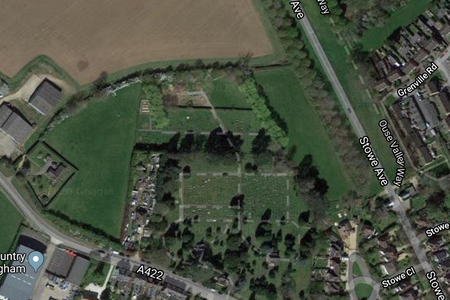
U.K. Developers Unearth 42 Bizarrely Buried Skeletons
The individuals, buried with their hands tied behind their backs, may be executed Anglo-Saxon prisoners or casualties of the English Civil War
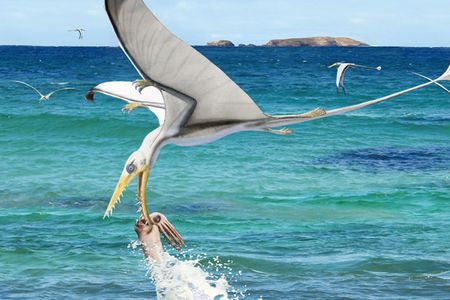
Pterosaur Tooth Found in Rare Ancient Squid Fossil
A tooth embedded in prehistoric cephalopod offers a glimpse into predator-prey interactions from 150 million years ago
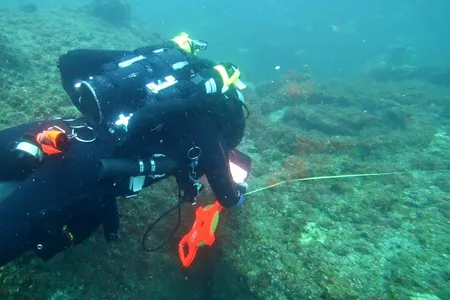
Lost Ship Rediscovered After Disappearing Near Bermuda Triangle 95 Years Ago
Far from falling prey to a paranormal occurrence, the S.S. “Cotopaxi” actually sank during an unfortunate storm
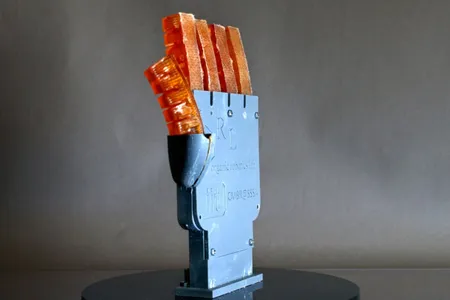
This Robotic Hand Stays Cool by Sweating
The robot is three times more efficient at sweating than the animal kingdom’s best, humans and horses

Newly Unearthed Anglo-Saxon Monastery May Have Hosted England’s First Coronation
In the millennia since Edgar the Peaceful’s 973 coronation, the content of the royal ceremony has remained largely the same
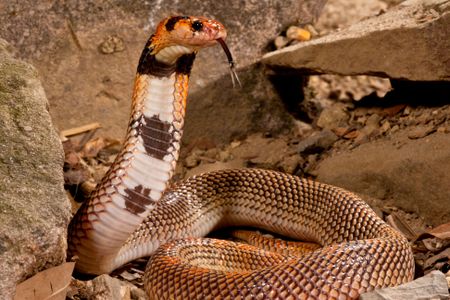
The Future of Antivenom May Involve Mini Lab-Grown Snake Glands
The antiquated technique used to produce antivenom requires injecting venom into horses and this new method may someday remove that step from the process
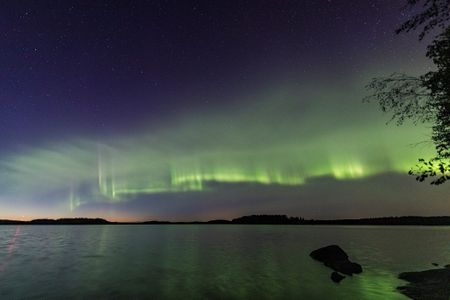
A New Type of Aurora Ripples Across the Sky in Horizontal Green ‘Dunes’
Originally observed by citizen scientists, the unusual light show might help researchers better understand a poorly studied layer of the atmosphere
Page 71 of 285