
How Marie Tussaud Created a Wax Empire
From France, to Britain, to the world, Tussaud’s waxworks endure
Winston Churchill Imagined the Lab-Grown Hamburger
But he was off about the year when it would be created

Five Things to Know About Queen Charlotte
Before Meghan Markle, the late 18th-century Queen Sophia Charlotte of Mecklenburg-Strelitz may have been the country’s first biracial royal

Archaeologists Discover Where Julius Caesar Landed in Britain
A large camp along Pegwell Bay is the likely spot where 20,000 Romans landed in 54 B.C.

Our Cloud Names Come From a 1700s Amateur Meteorologist
Luke Howard’s nomenclature inspired writers as well as scientists
Friction Matches Were a Boon to Those Lighting Fires–Not So Much to Matchmakers
Those who worked in match factories were exposed to white phosphorus, which caused a debilitating and potentially deadly condition
What Was the Inspiration for “The Murder on the Orient Express”?
Agatha Christie wrote her famous detective novel based on an even more famous kidnapping
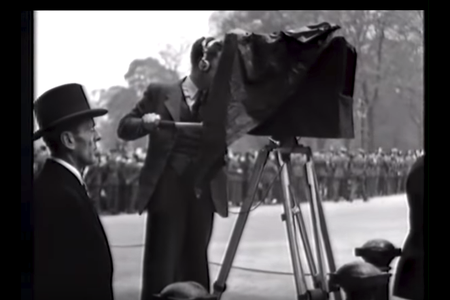
Why Do We Call TV Watchers ‘Viewers’?
It all goes back to a quirky BBC subcommittee working in the 1930s to change the English language
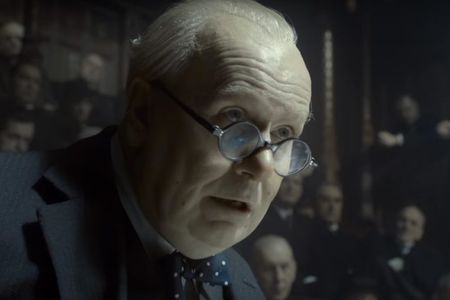
The recordings we hear today didn’t air over the BBC at the time, but that hasn’t stopped many Britons from remembering otherwise

How a New Accent Overturned BBC Tradition and Messed With the Nazis
A man with the name of Wilfred Pickles brought regional dialect to the BBC as part of an anti-Nazi-propaganda strategy
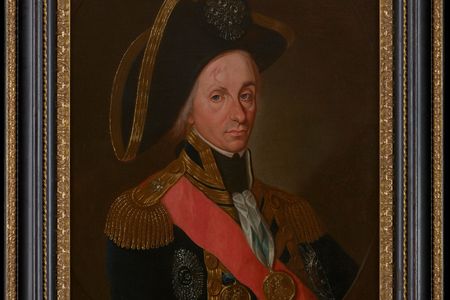
New Portrait of Lord Nelson Found, Scars and All
One of many Nelson portraits by Leonardo Guzzardi, the painting has been restored to include his war wounds
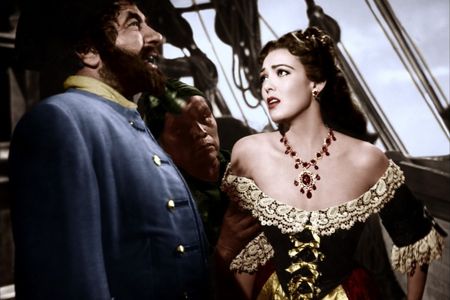
This Film Version of ‘Treasure Island’ Gave Us Our Image of Pirates
Avast, you lubbers!
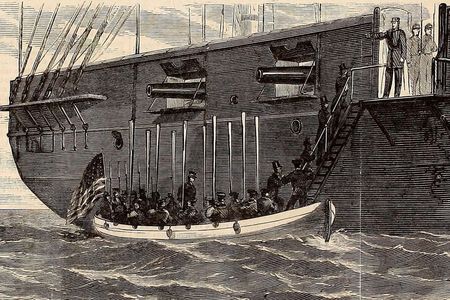
A Union Captain Nearly Dragged the British Into the Civil War In 1861
As if the country didn’t have enough to worry about
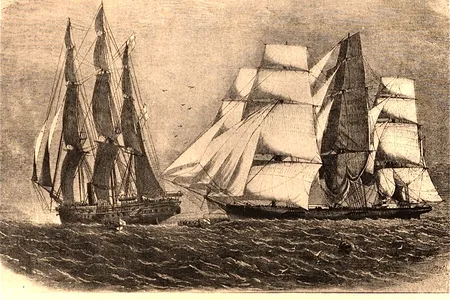
When Enslaved People Commandeered a Ship and Hightailed it to Freedom in the Bahamas
It’s been called the most successful slave rebellion in U.S. history
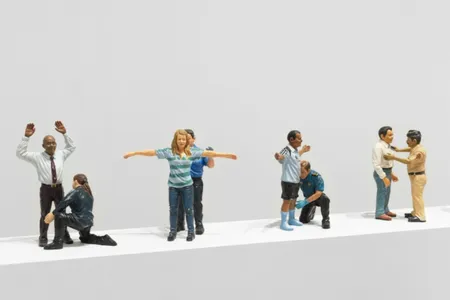
What Does Post-9/11 Art Mean? Imperial War Museum Explores the Question in ‘Age of Terror’
Works by Ai Weiwei, Jake and Dinos Chapman, Coco Fusco respond to contemporary violence and conflict
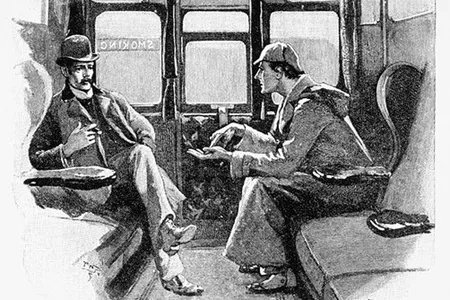
The Creator of Sherlock Holmes Was, Like Many Victorians, Fascinated by Mormons
The first story featuring iconic detective Sherlock Holmes, ‘A Study in Scarlet,’ was published on this day in 1887—and set in Mormon Utah
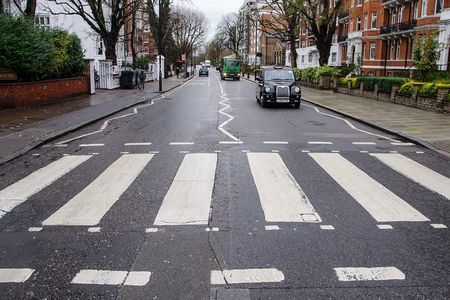
A Short History of the Crosswalk
Pedestrian crosswalks and roads have a complicated relationship
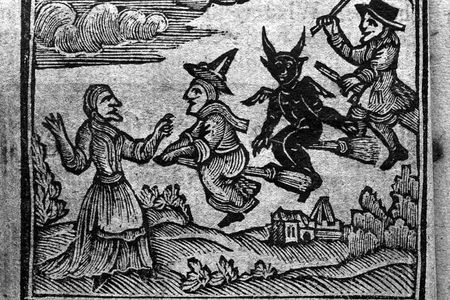
How New Printing Technology Gave Witches Their Familiar Silhouette
Popular media helped give witches their image
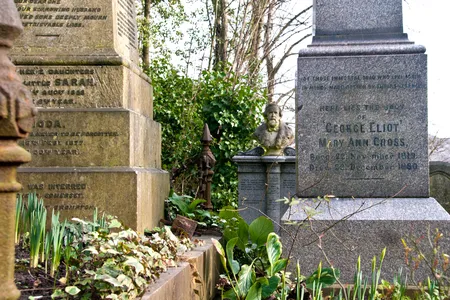
You Can’t Walk Around London’s Cemeteries Without Seeing Someone Famous (and Dead)
A tour of the city’s dead can unearth some fascinating stories
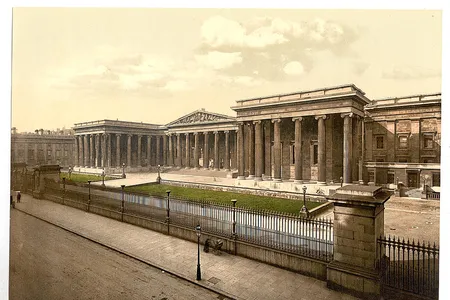
The British Museum Was a Wonder of Its Time—But Also a Product of Slavery
A new book explores the little-known life and career of Hans Sloane, whose collections led to the founding of the British Museum
Page 55 of 69