Subscribe to Smithsonian magazine and get a FREE tote.

Australia

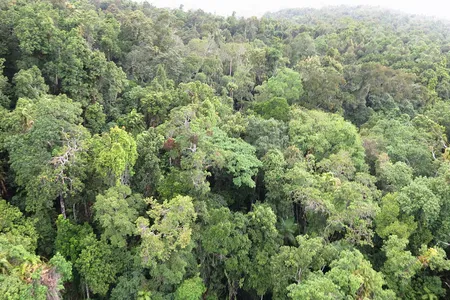
Researchers studied rainforests in northeastern Australia. These wet rainforests are very dense, and their canopies help cool down their ecosystems and store large amounts of carbon.

Australian Rainforests Become the First to Emit More Carbon Than They Absorb

A new analysis finds tropical forests in Australia are not taking in enough carbon dioxide to keep up with the emissions from their decaying trunks, holding possible implications for global ecosystems
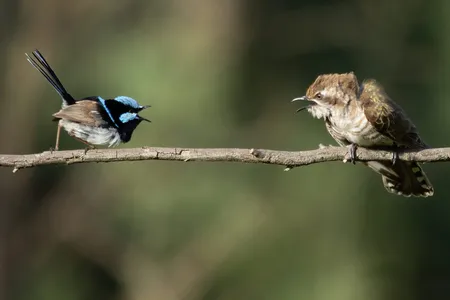
A superb fairy-wren calls to a Horsfield's bronze-cuckoo. Brood parasites like cuckoos lay eggs in other birds' nests and leave them behind for the host birds to raise.

Birds Make an Alarm Call That Spans Species and Continents—and May Offer Insight Into the Evolution of Human Language

More than 20 species make a nearly identical noise to warn nearby birds of brood parasites, a behavior that bridges the “sharp division between animal communication systems and human language”
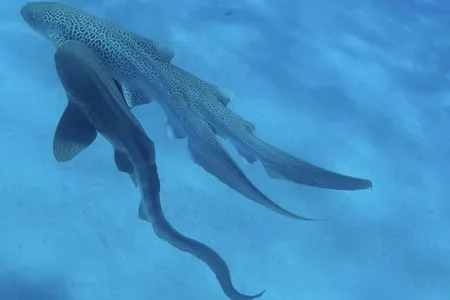
This event marks the first time the leopard shark (Stegostoma tigrinum) has been documented mating in the wild.

Rare Trio of Leopard Sharks Spotted Mating in the Wild for the First Time, and a Snorkeling Scientist Captured a Video

Conservationists say the unexpected observation could inform efforts to protect or reintroduce leopard sharks, an endangered species
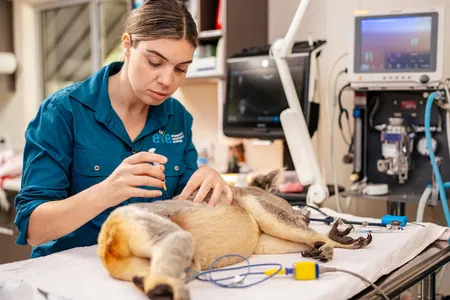
The vaccine can be administered to koalas in a single dose.

A New Vaccine Could Help Save Australia’s Beloved Koalas From Chlamydia, and It Just Got Approved

The disease causes blindness, infertility, severe urinary tract infections and death in the iconic, furry marsupials, which are also threatened by habitat loss
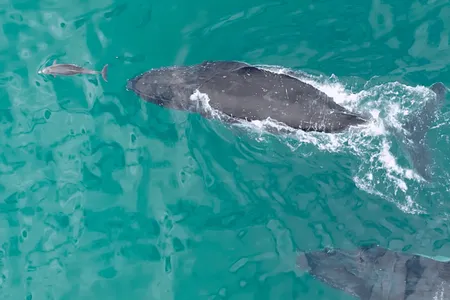
A bottlenose dolphin is seen "bow riding," or swimming just in front of a humpback whale, potentially getting a boost from the wave created by the larger mammal.

Whales and Dolphins Interact More Often Than Scientists Thought, Engaging in Mutual Play, Study Suggests

Researchers analyzed nearly 200 videos and photographs documenting interactions between the various kinds of cetaceans
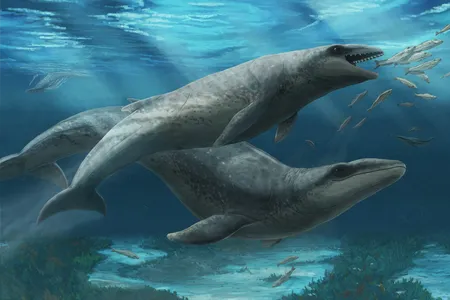
An illustration of a mother and calf Janjucetus dullardi, a newly discovered tiny whale species with a sharp bite

Cool Finds

Newly Discovered Prehistoric Whale Is ‘Deceptively Cute’—It’s Tiny but Has a Mouth Full of Razor-Sharp Teeth

Found on the southern coast of Australia, the species could fill gaps in scientists’ understanding of baleen whale evolution
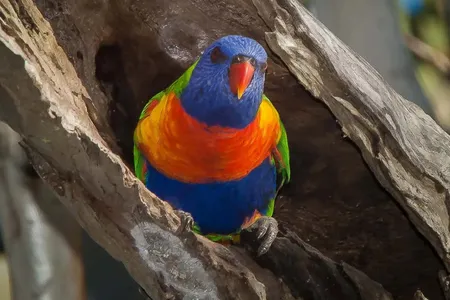
Researchers dissected nearly 500 post-mortem birds from five Australian species, including the rainbow lorikeet (species pictured above).

Sex Reversal Is More Common in Birds Than Previously Thought, Suggests Study of Australian Species

Researchers find that about 5 percent of birds studied have a mismatch between genetic and physical sex—including one male bird that seems to have laid an egg
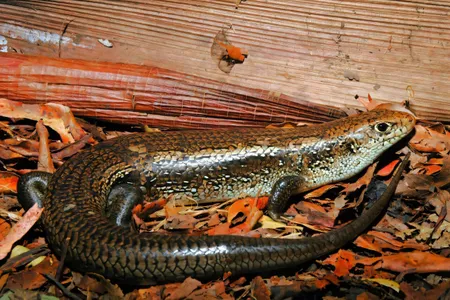
Australia’s major skink (Bellatorias frerei) has evolved to combat snake venom with the same mutation found in honey badgers, according to a new study.

Scientists Discover Australian Lizards Have Mutations to Resist Snake Venom—and One Day, That Could Help Humans

A new study looking at how skinks have evolved to block venom from reaching their muscles could guide development of new antivenoms
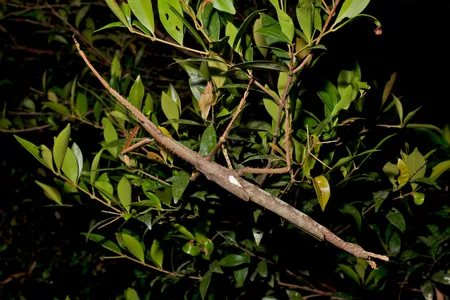
After seeing a picture of the stick insect on social media, the researchers spent days trying to find and collect it for further research.

Gigantic ‘Walking Stick’ Discovered in Australia Might Be the Continent’s Heaviest Insect

Scientists identified the elusive new species from a female found in a high-altitude rainforest’s canopy
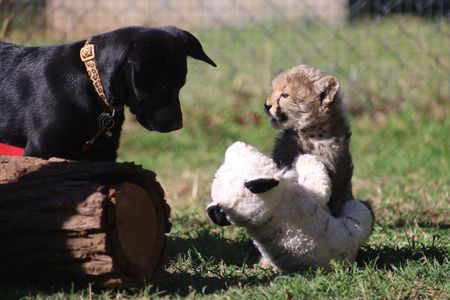
Ziggy (dog) and Rozi (cheetah) play with a stuffed animal at the Taronga Western Plains Zoo Dubbo in Australia.

A Lonely Cheetah Cub at an Australian Zoo Now Has an Unlikely ‘Best Friend’—a Puppy

While the companionship might seem surprising, zoos have been pairing sibling-less cheetah cubs with dogs for decades to improve their socialization
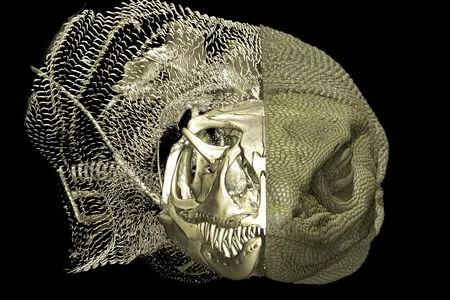
A scan of a Rosenberg's goanna (Varanus rosenbergi) reveals chain mail-like osteoderms and the endoskeleton in the left half of the image.

These Odd Bony Structures Were Hiding Beneath the Skin of Far More Lizards Than Thought, Researchers Find

Called osteoderms, the chain mail-like plates may have helped some species adapt to Australia’s harsh environment
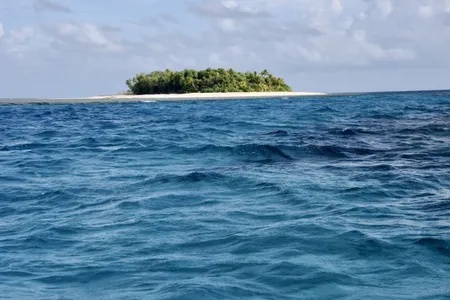
A view of one of Tuvalu's islands captured in June 2023. The nation is highly threatened by climate change.

More Than One-Third of Tuvalu’s Population Has Applied for a ‘Climate Visa’ to Relocate to Australia

The world-first climate visa agreement will grant permanent residency status to 280 Tuvaluans per year as the island nation grapples with sea-level rise
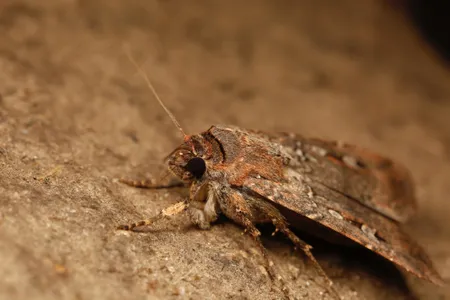
Bogong moths are brown, nondescript creatures—but scientists now suggest they are the first known invertebrates to use the stars for navigation.

Australian Moths Are the First Known Insects to Navigate by the Stars, Revealing a Migratory Superpower

Bogong moths use both Earth’s magnetic field and the starry night sky to make twice-yearly migrations spanning hundreds of miles, according to new research
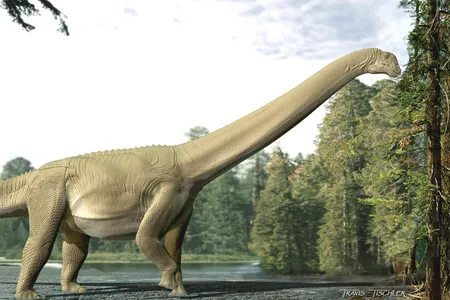
In this artist's impression of Diamantinasaurus matildae, the animal feeds from a conifer tree.

First Fossil Evidence That Sauropods Were Herbivores Supports a Widespread Assumption About the Long-Necked Dinosaurs

A recent discovery of a dinosaur’s preserved gut contents offers the first direct proof that sauropods were plant-eaters
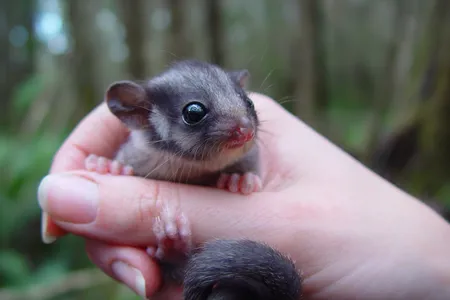
An estimated 4,000 Leadbeater's possums live in Victoria, split between highland and lowland populations.

A Tiny Endangered Creature That ‘Moves Like Greased Lightning’ Has Been Found in an Unexpected Place

Trail cameras captured an elusive Leadbeater’s possum in the Australian state of New South Wales, where they were thought to be locally extinct
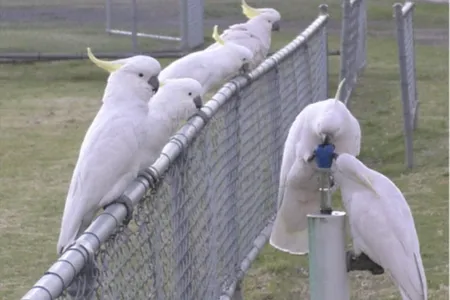
Cockatoos in the western suburbs of Sydney, Australia, will wait in line for a taste of drinking fountain water.

These Australian Cockatoos Learned to Operate Drinking Fountains With Their Feet to Quench Their Thirst

Birds in Sydney’s western suburbs have figured out how to get a sip from the fountains, even though they have access to nearby streams
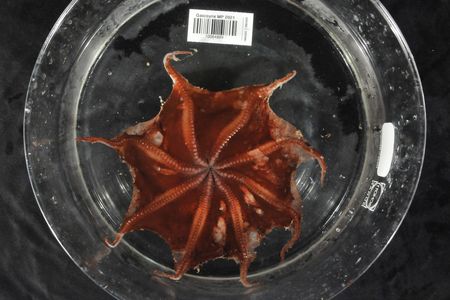
The newly described octopus, Opisthoteuthis carnarvonensis, has red tentacles.

A New, Shape-Shifting ‘Flapjack’ Octopus Has Been Discovered in the Deep Sea Off the Coast of Australia

The tiny Carnarvon flapjack octopus is the latest of ten species described by Australian scientists after a 2022 research trip
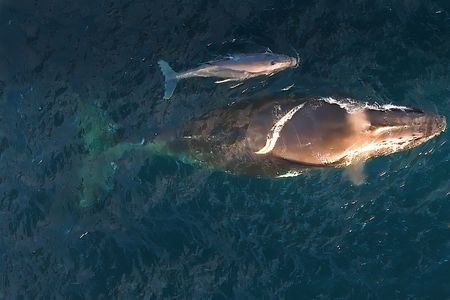
A mother and baby whale spotted swimming near Kiama, New South Wales, Australia. 

Humpback Whales Give Birth Much Farther South Than Previously Thought, Study Finds

Researchers in Australia found records of humpback whale calves more than 900 miles farther south than expected
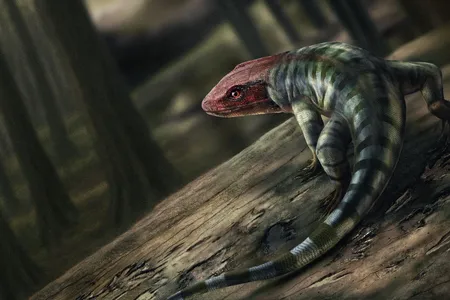
Amateur fossil hunters discovered a trackway left by a creature that might have looked like the one in this illustration. The finding raises new questions about the evolution of the earliest reptiles.

Fossil Hunters Discover Earliest Known Footprints of a Reptile-Like Creature, Pushing Back the Timeline of Their Evolution

A new study suggests two fossil trackways found in Australia were made by an early amniote, a group that today includes reptiles, birds and mammals

The 140-foot Dutch vessel sank during a violent storm off the coast of South Australia in June 1857, killing 16 of the 25 crew members onboard

How Researchers Discovered a 168-Year-Old Dutch Shipwreck Off the Coast of Australia in Underwater ‘Blizzard’ Conditions

The Dutch merchant ship ‘Koning Willem de Tweede’ sank off the coast of South Australia in a violent storm in June 1857

Page 4 of 20