

A Translator for Baby Cries? Yes, Please
Researchers have developed an algorithm to identify cries that signal pain or sickness
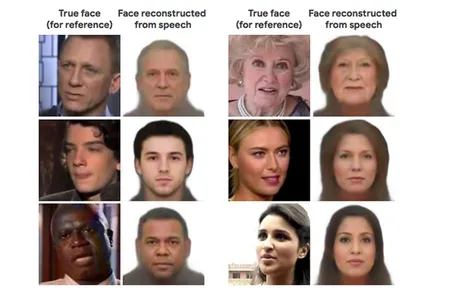
Artificial Intelligence Generates Humans’ Faces Based on Their Voices
In trials, the algorithm successfully pinpointed speakers’ gender, race and age
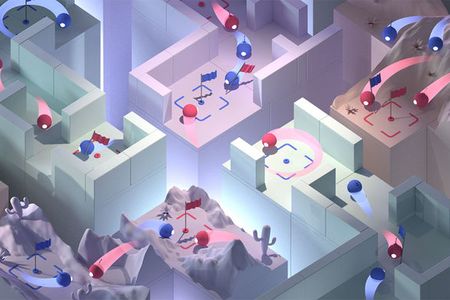
A.I. Is Learning Teamwork by Dominating in Multiplayer Video Games
Google’s DeepMind labs trained bots play a virtual version of capture the flag, showing them how to work as a unit
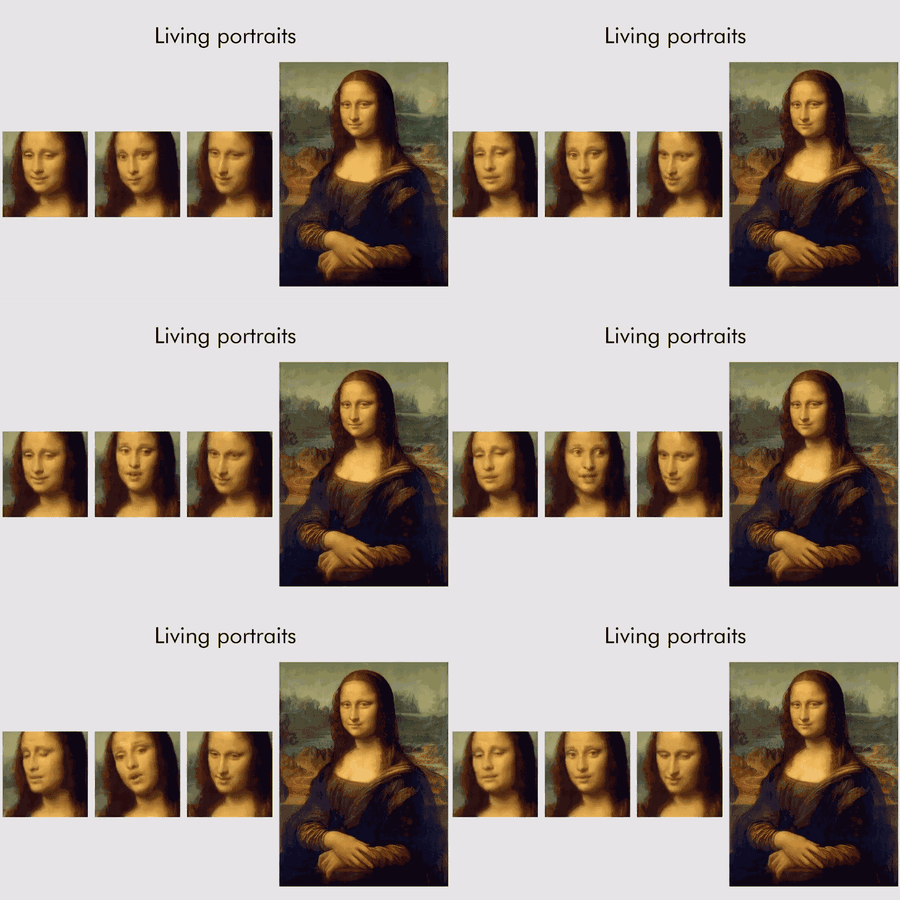
‘Mona Lisa’ Comes to Life in Computer-Generated ‘Living Portrait’
A new artificial intelligence system can create realistic animations from a single static image

With a Little Help From A.I., the Dali Museum Brings the Famed Surrealist to Life
Visitors to the museum in St. Petersburg, Florida can meet Salvador Dalí “in person”

How To Prepare for a Future of Gene-Edited Babies—Because It’s Coming
In a new book, futurist Jamie Metzl considers the ethical questions we need to ask in order to navigate the realities of human genetic engineering
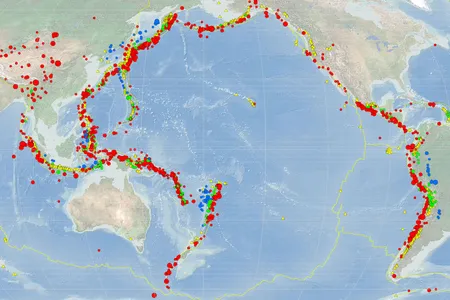
Could Machine Learning Be the Key to Earthquake Prediction?
Predicting earthquakes might be impossible, but some experts wonder if tools that can analyze enormous amounts of data could crack the seismic code

Publisher Releases First Textbook Written Entirely by an Algorithm
“Beta Writer” isn’t the next great American author, but its debut work shows promise for AI-assisted research
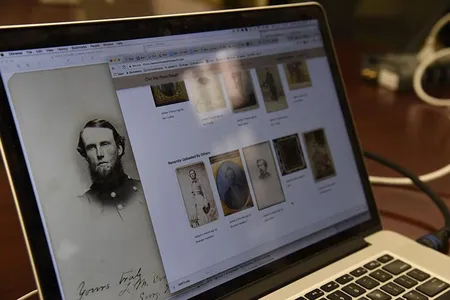
The Computer Scientist Who Wants to Put a Name to Every Face in Civil War Photographs
As Virginia Tech’s Kurt Luther perfects his facial recognition software Civil War Photo Sleuth, the discoveries keep coming

Physicists Come Up With Intriguing Way to Measure Art’s Evolution
By mapping the complexity and entropy of 140,000 paintings created between 1031 and 2016, the researchers demonstrated the interaction of art movements

Seoul Will Welcome a Robot Science Museum Constructed by Robots
Robots and drones will be involved in all aspects of the project, including design, manufacture and assembly

Will A.I. Ever Be Smarter Than a Four-Year-Old?
Looking at how children process information may give programmers useful hints about directions for computer learning
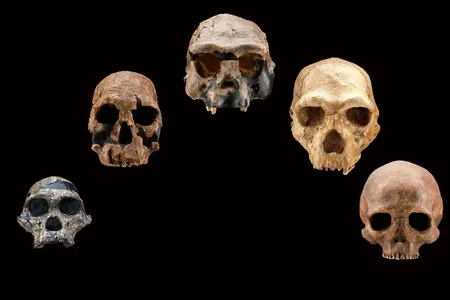
Artificial Intelligence Study of Human Genome Finds Unknown Human Ancestor
The genetic footprint of a “ghost population” may match that of a Neanderthal and Denisovan hybrid fossil found in Siberia
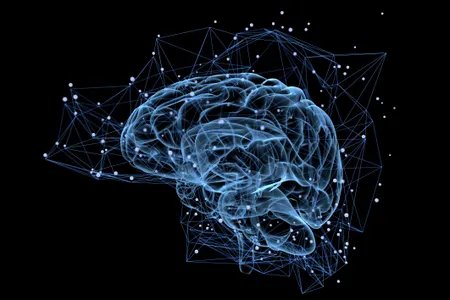
Neuroscientists Have Converted Brain Waves Into Verbal Speech
Researchers tracked participants’ neural activity as they listened to recorded speech, then translated brain patterns into synthesized speech

This Spring, Dalí Museum Visitors Will Be Welcomed by AI Version of the Artist Himself
A surreal(ist) encounter, indeed
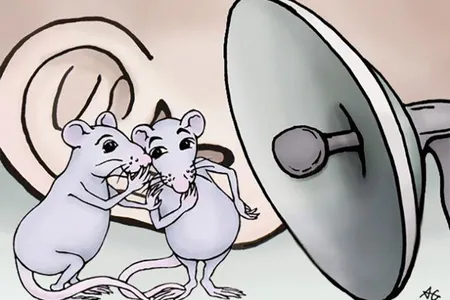
Scientists Use AI to Decode the Ultrasonic Language of Rodents
The DeepSqueak software translates the high-pitched communication into sonograms, which can be analyzed to determine what mice and rats are saying
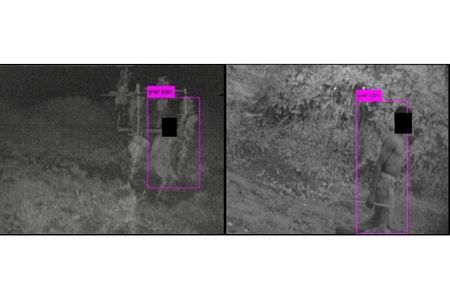
New AI Camera Helps Conservationists Spot Elephant Poachers
TrailGuard AI uses machine learning to sort through images in real-time and identify relevant threats

These Technologies Could Put an End to Leaky Water Mains
Two inventors have come up with radically different approaches to try to solve the widespread problem of aging water infrastructure

The Titles of These AI-Generated Christmas Carols Are Pure Cinnamon Hollybells
🎶 We wish you a Merry Jinglelog 🎶

This New Technique Could Revolutionize the Future of Art Reproduction
RePaint renders reproductions in color four times closer to the original than the next-best tool
Page 14 of 19