
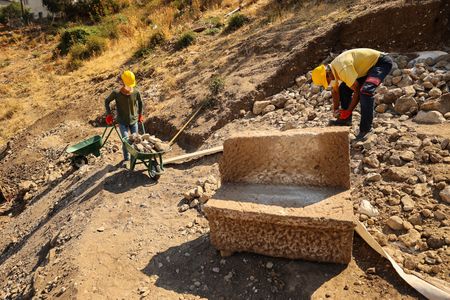
Inscribed VIP Seats Unearthed at Roman Amphitheater in Turkey
Pergamon’s elite watched gladiator and animal fights, public executions, and naval reenactments at the ancient arena
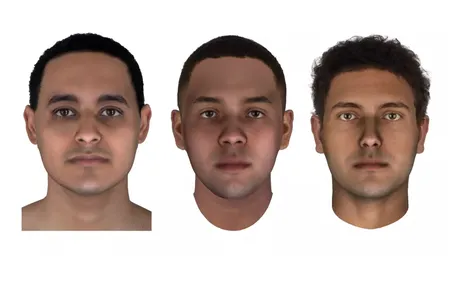
3-D Reconstruction Reveals the Faces of Three Ancient Egyptian Mummies
Researchers used a combination of DNA and physical analysis to approximate the trio’s visages
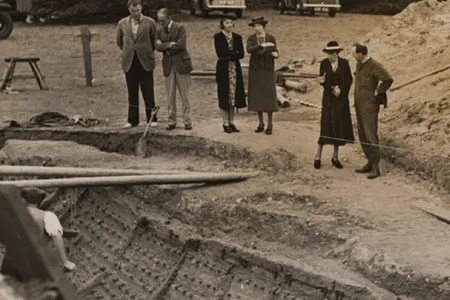
You Can Now Explore a Trove of Behind-the-Scenes Photos From the Famed Sutton Hoo Dig
Schoolteachers Mercie Lacks and Barbara Wagstaff captured the snapshots in August 1939
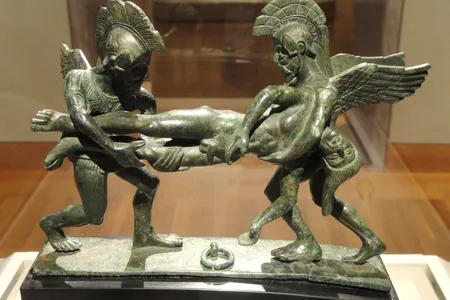
Where Did the Ancient Etruscans Come From?
A new DNA analysis suggests the enigmatic civilization was native to the Italian Peninsula
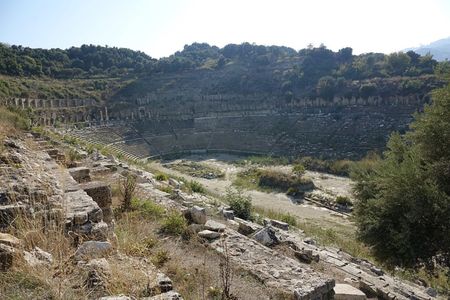
Entrance Gate to Greek Temple of Zeus Unearthed in Turkey
Archaeologists excavating the ancient city of Magnesia hope to fully restore the 2,300-year-old sacred structure
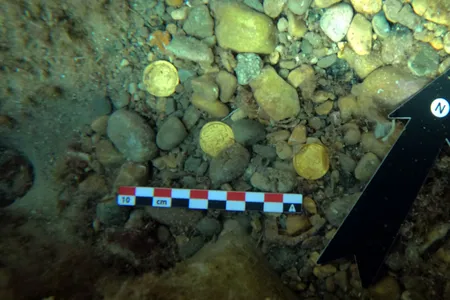
Amateur Divers Discover Trove of 53 Roman Gold Coins in Spain
A wealthy landowner probably hid the hoard to protect it from “barbarian” invaders

Are These Snail Shells the World’s Oldest Known Beads?
Found in a Moroccan cave, the prehistoric jewelry dates to between 142,000 and 150,000 years ago
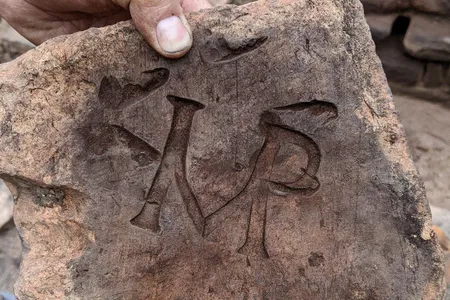
Tiles ‘Fit for the Emperor’ Found in Roman Ruins Beneath English Cricket Club
The objects, as well as an inscription at the site, suggest ties to Septimius Severus, who led campaigns nearby in the early third century C.E.
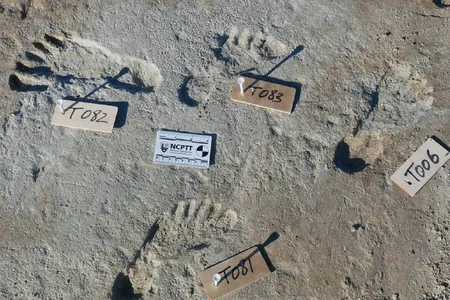
Prehistoric Footprints Push Back Timeline of Humans’ Arrival in North America
Found in New Mexico, the fossilized impressions date to between 21,000 and 23,000 years ago, a new study suggests
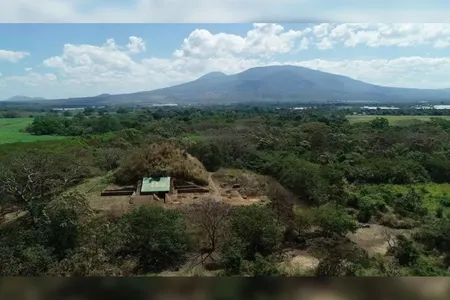
The Maya Built This Monumental Pyramid Out of Volcanic Rock
New research cites the colossal construction as evidence of the civilization’s rapid recovery from a devastating eruption
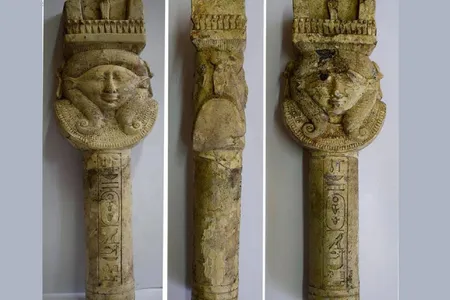
Ancient Egyptian Tools Used in Worship of the Goddess Hathor Discovered
The find also includes works of art, as well as a bath with running water
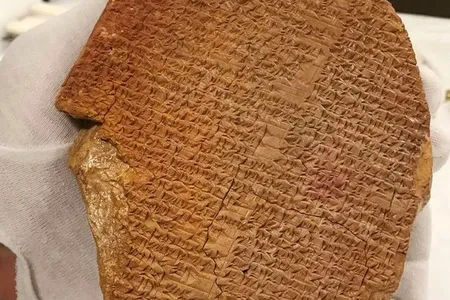
Smuggled Gilgamesh Dream Tablet Returns to Iraq
Forfeited by Hobby Lobby in July, the ancient artifact will be repatriated in a ceremony held at the Smithsonian’s National Museum of the American Indian
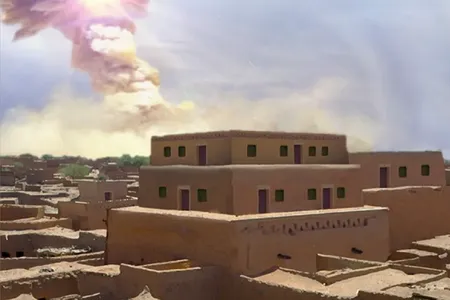
Journal ‘Nature’ Retracts Study About Ancient City’s Destruction Linked to Biblical Story of Sodom
Around 1650 B.C.E., the Bronze Age city of Tall el-Hammam was wiped out by an unknown natural disaster
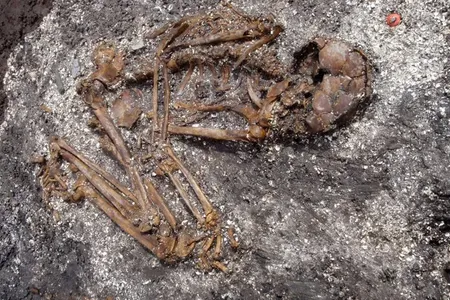
DNA Analysis Rewrites Ancient History of Japan
A new study suggests the island’s modern populations trace their ancestry to three distinct groups, not two as previously proposed
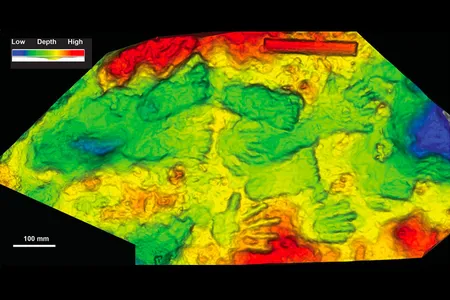
These 200,000-Year-Old Hand and Footprints Could Be the World’s Earliest Cave Art
Found at a hot spring on the Tibetan Plateau, the impressions were likely left by hominin children
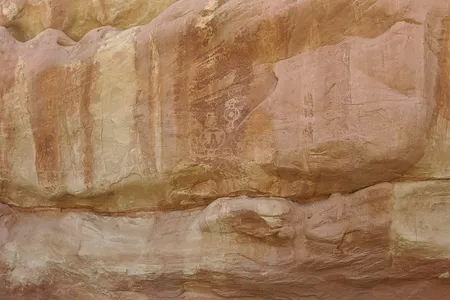
Centuries-Old Pottery Could Reveal When the Crow Arrived in Wyoming
Radiocarbon dating of ceramics found at Medicine Lodge Archaeological Site may offer new insights on the region’s Indigenous history
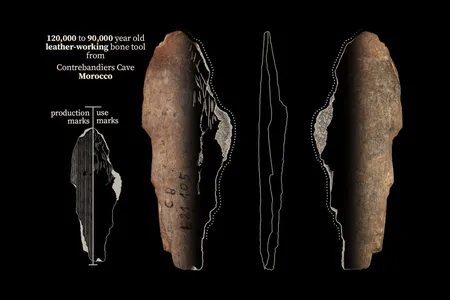
Evidence of Fur and Leather Clothing, Among World’s Oldest, Found in Moroccan Cave
Humans likely sported clothes made of jackal, fox and wildcat skins some 120,000 years ago
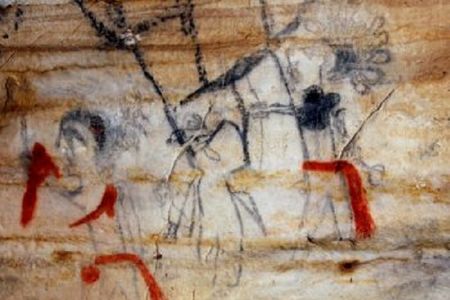
Missouri Cave Filled With Ancient Artwork Sold Against Osage Nation’s Wishes
The Native American tribe had hoped to preserve and protect the site, which may be associated with the Mississippian culture
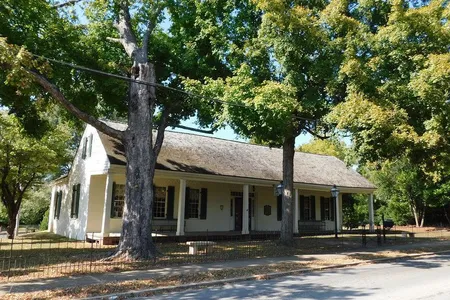
Archaeologists Discover Trove of Artifacts at Site of 19th-Century Alabama Tavern
During the Civil War, both the Union and Confederate armies used the building as a hospital and command center

Remains of Likely Human Sacrifice Victim Found in Foundation of Korean Palace
The young woman died in her 20s during the fourth century C.E.
Page 76 of 129