
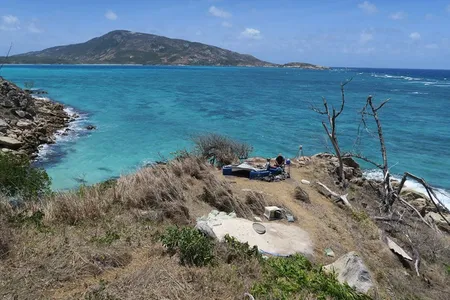
Oldest Known Aboriginal Pottery Discovered in Australia
Found on the island of Jiigurru, the 82 shards predate the arrival of Europeans by centuries, dating to between 2,000 and 3,000 years ago

50,000-Year-Old Neanderthal Bones Have Remains of Human Viruses, Scientists Find
The preliminary analysis is a first step in testing the theory that infectious diseases played a role in Neanderthals’ extinction

Centuries-Old Maya Beekeeping Tools Unearthed in Mexico
Archaeologists in the Yucatán Peninsula found several stone lids used by the pre-Columbian civilization to collect honey from stingless bees
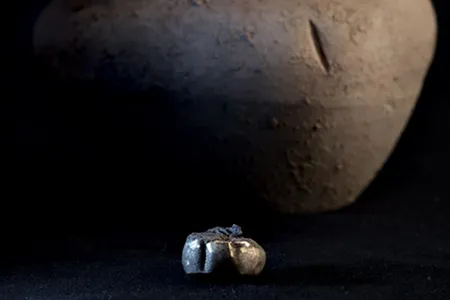
Did Hannibal’s Army Burn Down This Ancient Mountain Settlement?
In a scorched village in Spain, archaeologists discovered a hidden gold earring that suggests residents foresaw a coming attack around the time of the Second Punic War
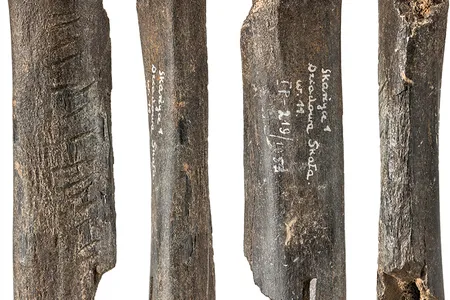
This 130,000-Year-Old Decorative Bear Bone May Be the Oldest Known Neanderthal Art
Researchers say the carved artifact was not a utilitarian item and instead served a symbolic purpose
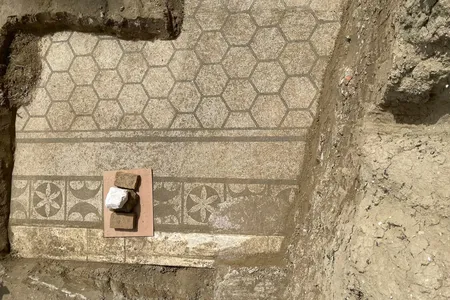
Archaeologists Discover Ancient Roman Swimming Pool in Albania
Found in an upper-class villa, the indoor pool was accompanied by decorative mosaics and frescoes dating back nearly two millennia

Did a Dried-Up Branch of the Nile Help the Egyptians Build the Pyramids?
Researchers say 31 of the monuments were constructed on the banks of the ancient waterway

Mushroom Hunters Stumble Upon Mysterious Stone Sculpture in Thai Forest
While the artwork’s age is still unknown, some think it depicts the mother of the Buddha
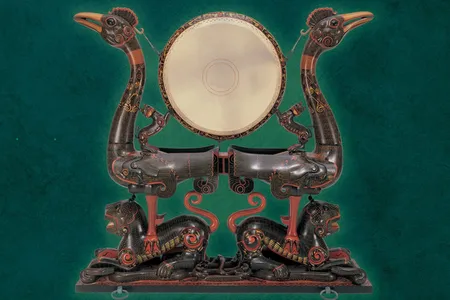
Why Is Chinese Art Full of Dragons, Phoenixes and Tigers?
A new exhibition showcases stunning mythical artworks of the Zhou Dynasty’s “lost” kingdoms
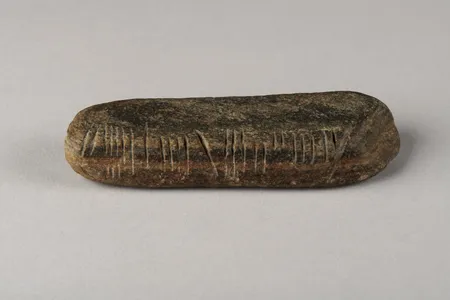
Geography Teacher in England Finds Stone With 1,600-Year-Old Inscriptions in His Garden
The rock is covered in ogham, an alphabet made up of parallel lines used for writing in the Irish language

Who Were the Real Pirates of the Caribbean?
During the Golden Age of Piracy, thousands of sea dogs sought fame and fortune. But the reality of a pirate’s life was less enticing than movies and television shows suggest
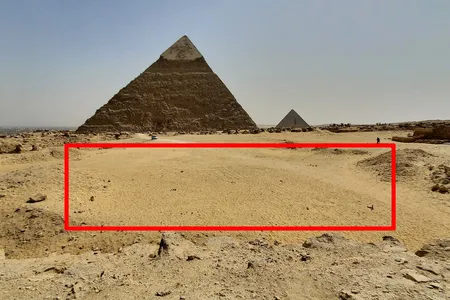
Scientists Are Investigating a Puzzling Underground ‘Anomaly’ Near the Giza Pyramids
Using remote-sensing technologies, researchers have discovered two connected structures in a previously unexplored area
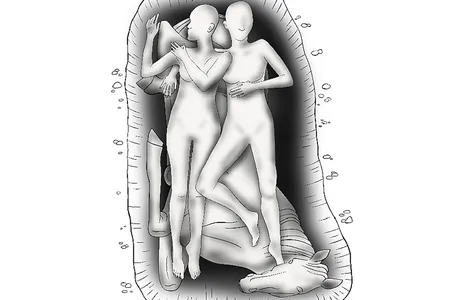
These Ancient Skeletons Are Not Entwined Lovers, But a Daughter Embracing Her Mother
New research found that the two women, who were buried in Austria atop a horse, were first-degree relatives who died some 1,800 years ago
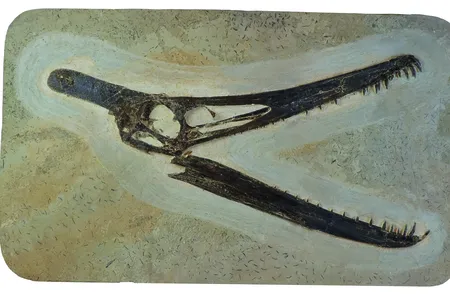
More Than 1,000 Fossils, Including Rare Dinosaurs, Gifted to Brazil’s National Museum Following Fire
The massive donation was made by Burkhard Pohl, a Swiss-German collector, as the museum works to replenish its collections after a devastating blaze in September 2018
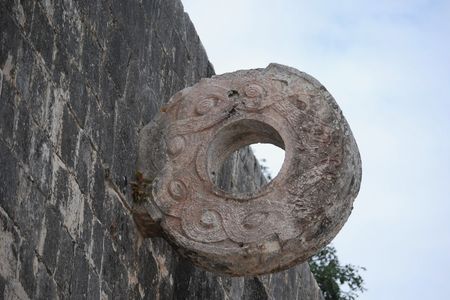
Hallucinogenic Plant Unearthed Beneath an Ancient Maya Ball Court
Researchers have found evidence of a nearly 2,000-year-old ceremonial offering at the site in present-day Mexico
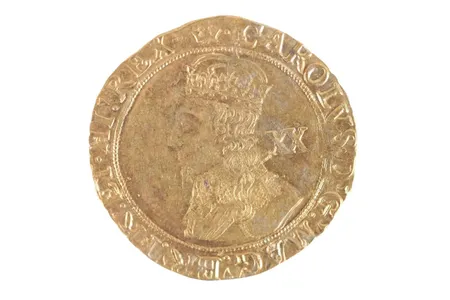
English Family Finds More Than a Thousand 17th-Century Coins During Home Renovation
The hoard, which collectively sold for $75,000, was likely buried during the First English Civil War
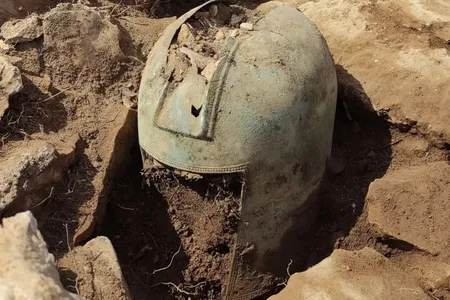
Why Did the Ancient Illyrians Place Helmets in Their Burial Mounds?
A 2,500-year-old helmet found in Croatia may have been a funerary offering. It offers insights into the rituals of a lesser-known culture that once occupied the Balkan Peninsula

Medieval Squirrels and Humans May Have Spread Leprosy Back and Forth
Archaeologists uncovered evidence of leprosy in a medieval red squirrel in England, and DNA evidence revealed the strain was similar to what was circulating in humans at the time

Roman-Era Ship Was Carrying Jugs Full of Fish Sauce When It Sank 1,700 Years Ago
Discovered in the summer of 2019, the Ses Fontanelles wreck likely ran aground sometime during the fourth century

Meet Shanidar Z, a Neanderthal Woman Who Walked the Earth 75,000 Years Ago
After carefully piecing her skull back together, archaeologists and paleoartists have created a lifelike 3D reconstruction of the woman’s face
Page 42 of 129