
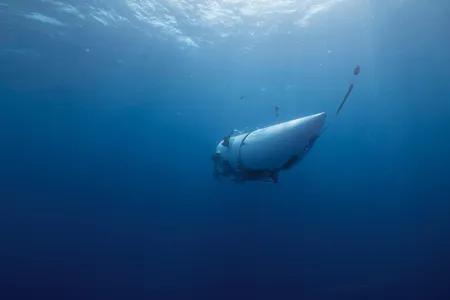
A Deep Dive Into the Plans to Take Tourists to the ‘Titanic’
For a handsome price, a daredevil inventor will bring you aboard his groundbreaking submarine to put eyes on most famous shipwreck of all
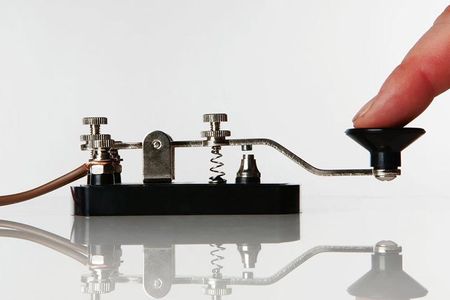
Morse Code Celebrates 175 Years and Counting
The elegantly simple code works whether flashing a spotlight or blinking your eyes—or even tapping on a smartphone touchscreen

These Glowing Plants Could One Day Light Our Homes
The Cooper Hewitt, Smithsonian Design Museum gives us a glimpse into a world where we read by a natural greenish glow

How Nanoscale ‘Signatures’ Could Keep Counterfeit Parts Out of Military Equipment
Navy scientist Alison Smith will describe her novel authentication system at Smithsonian’s Military Invention Day
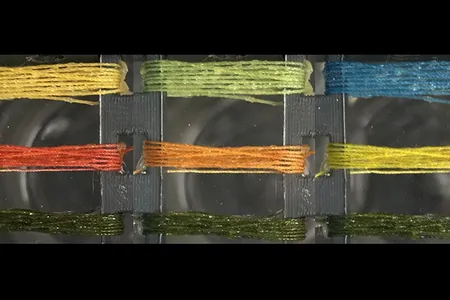
Clothing May Soon Be Able to Change Color in the Presence of Harmful Gases
Tufts University engineers have developed dyed threads that change hues when exposed to carbon monoxide and other hazards
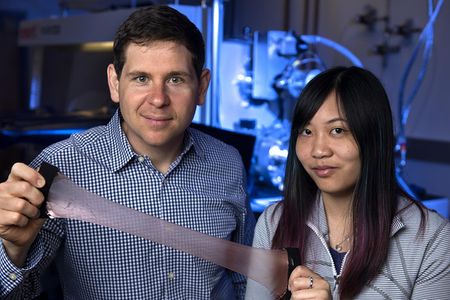
How a Squid’s Color-Changing Skin Inspired a New Material That Can Trap or Release Heat
The stretchy ‘thermocomfort material’ has potential energy-saving applications in buildings and wearables
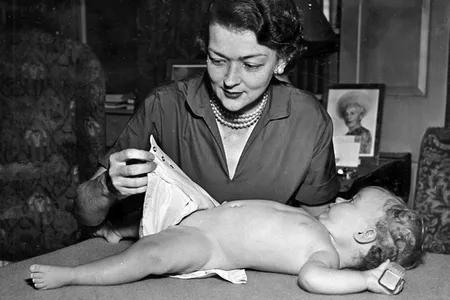
Meet Marion Donovan, the Mother Who Invented a Precursor to the Disposable Diaper
The prolific inventor with 20 patents to her name developed the “Boater,” a reusable, waterproof diaper cover in the late 1940s

A History of Cribs and Other Brilliant and Bizarre Inventions for Getting Babies to Sleep
Generations of parents have relied on contraptions, both clever and crazy, to give their infants—and themselves—some rest
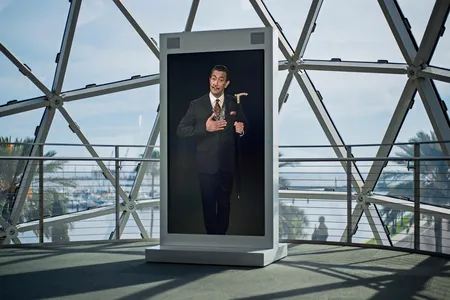
With a Little Help From A.I., the Dali Museum Brings the Famed Surrealist to Life
Visitors to the museum in St. Petersburg, Florida can meet Salvador Dalí “in person”

This Year’s Future Con Showcased Cutting-Edge Science and Real-Life Superheroes
A part of Washington, D.C.’s Awesome Con, the dynamic presentation series blends entertainment and education

New Nanotechnology Imaging Technique Sheds Light on DNA Structure
The new technology could help pinpoint how errors occur in DNA replication, which can cause cancer and other diseases

How To Prepare for a Future of Gene-Edited Babies—Because It’s Coming
In a new book, futurist Jamie Metzl considers the ethical questions we need to ask in order to navigate the realities of human genetic engineering
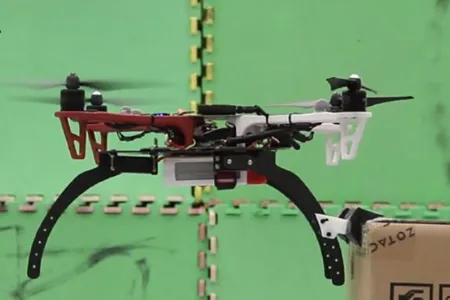
These Drones Can Perch and Dangle Like Birds and Bats
Scientists have designed adaptable landing gear that enables UAVs to “rest” and save power
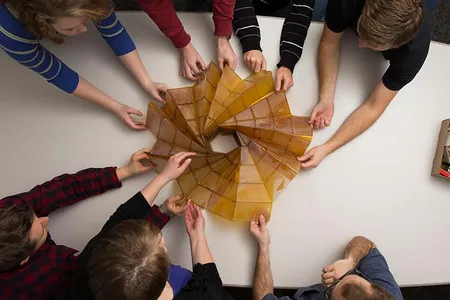
How Origami Is Revolutionizing Industrial Design
Scientists and engineers are finding practical applications for the Japanese art form in space, medicine, robotics, architecture and more
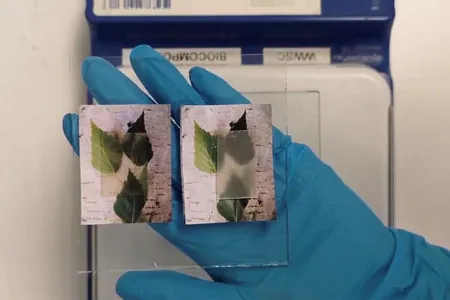
This Transparent Wood Could Be an Energy-Saver in Green Buildings
Researchers in Sweden have developed a material, able to store and release heat, that could potentially be used in windows

The Motorized Scooter Boom That Hit a Century Before Dockless Scooters
Launched in 1915, the Autoped had wide appeal, with everyone from suffragettes to postmen giving it a try
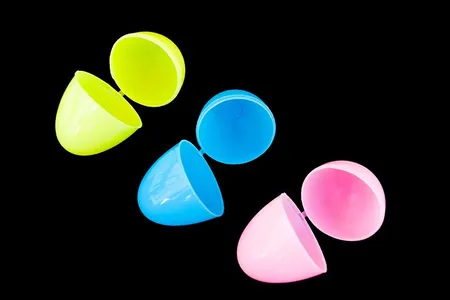
Thank One of America’s Most Prolific Inventors for the Hinged Plastic Easter Egg
Donald Weder holds some 1,400 U.S. patents for inventions, including the ubiquitous egg and a process for making plastic Easter grass
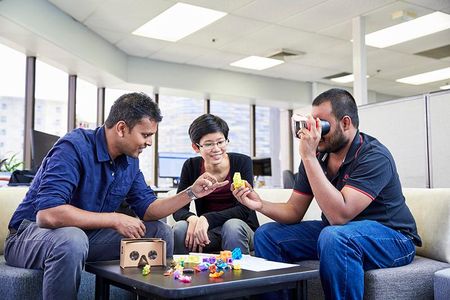
Inside Professor Nanayakkara’s Futuristic Augmented Human Lab
An engineer at the University of Auckland asks an important question: What can seamless human-computer interfaces do for humanity?

How Scientists Are Using Real-Time Data to Help Fishermen Avoid Bycatch
Using a strategy called dynamic ocean management, researchers are creating tools to forecast where fish will be—and where endangered species won’t be
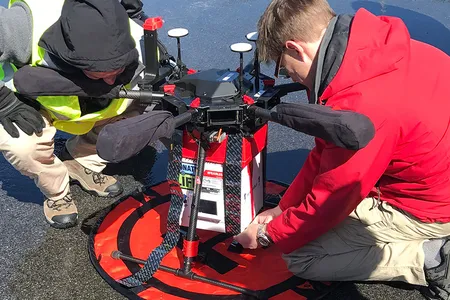
Drones’ Newest Cargo Might Just Be Human Organs
Surgeon Joseph Scalea is developing a cooler, biosensors and an online platform with GPS to monitor organs in transport in real time
Page 17 of 71