
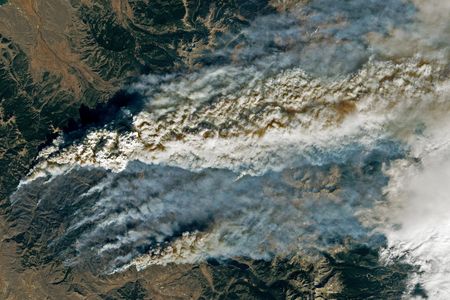
Colorado’s Record-Breaking Blazes Illustrate the West’s Lengthening Fire Season
Fire season is usually over by this time in October, but, in a trend experts expect climate change to exacerbate, that’s not the case this year

Pet Cemeteries Reveal Evolution of Humans’ Relationships With Furry Friends
By analyzing a thousand tombstones, an archaeologist revealed how animals evolved from companions to family in just 100 years
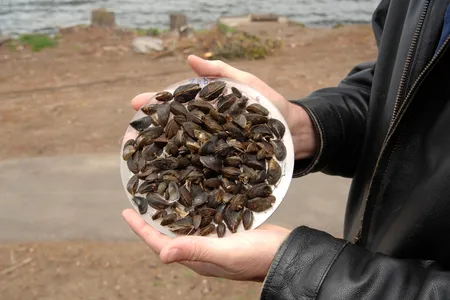
‘Storm Tracker’ Maps Shows How Hurricanes Spread Invasive Species
The U.S. Geological Survey launched the program in 2018 after hurricanes Harvey, Irma, Maria and Nate scrambled coastal ecosystems
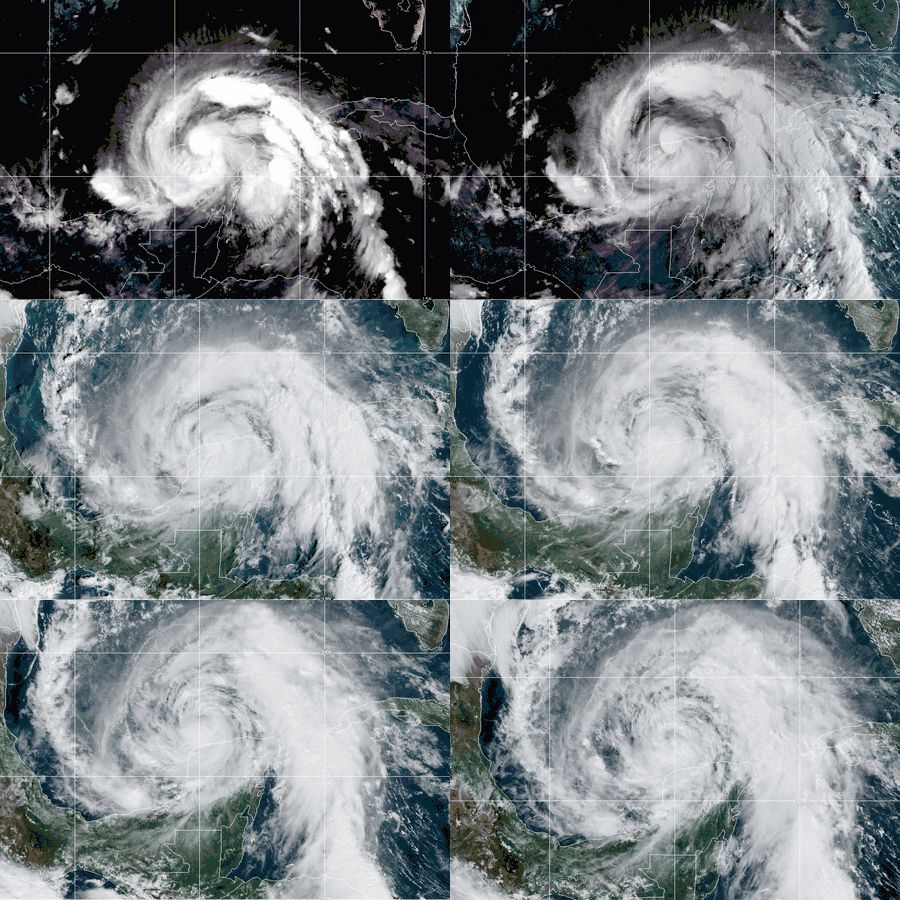
Zeta, 2020’s 27th Named Storm, Bears Down on Louisiana
Downgraded to a tropical storm after striking Mexico, Zeta is expected to regain strength and make landfall in the U.S. as a Category 1 hurricane
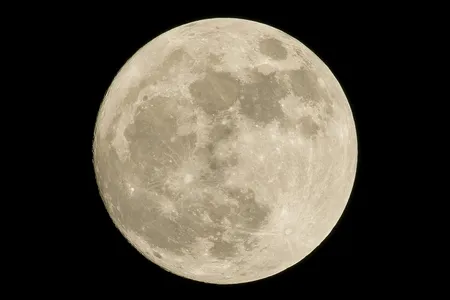
The Moon Has More Water and Ice Hidden All Over Its Surface Than Originally Predicted
Scientists discovered that water is stored in tiny patches all across the moon’s surface, not just in the deep, freezing craters of its south pole

In Florida, Pet Cat Brings Home a Rare Two-Headed Snake
The snake is now in the care of Florida Wildlife Conservation’s Fish and Wildlife Research Institute
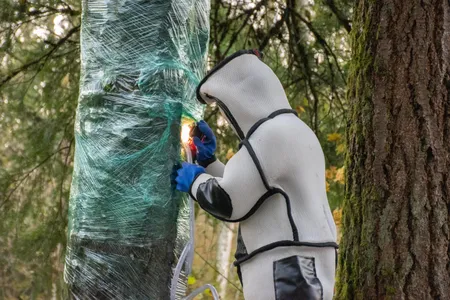
Entomologists Destroy Asian Giant Hornet Nest Found in Washington
The crew sucked nearly 100 hornets from the tree-hollow hive—the first ever found in the U.S.—using a vacuum and captured escapees with nets
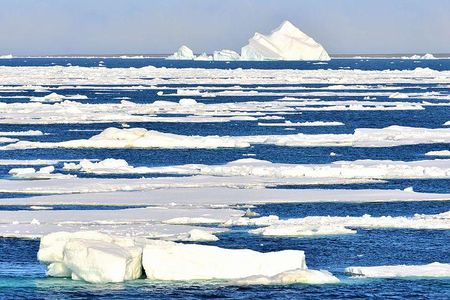
Arctic Sea Ice Fails to Refreeze by Late October, Setting a New Record
At this rate, the Arctic will experience its first ice-free summer as early as 2035
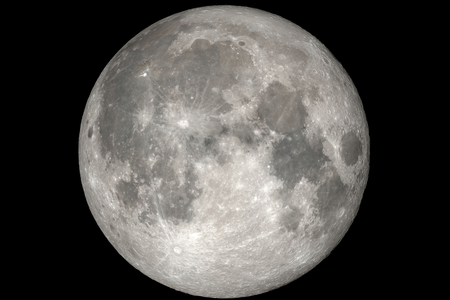
This Halloween, Look for the Hunter’s Blue Moon
The second full moon of the month gives Halloween an extra spooky atmosphere
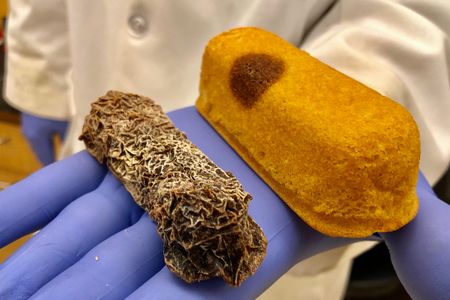
Scientists Study Twinkie Mummified by Mold
Tests on the eight-year-old snack food put the myth of the immortal Twinkie to rest
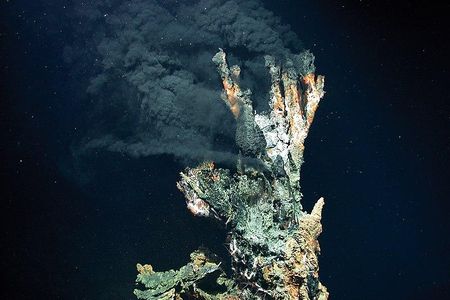
The Deepest, Darkest, Most Frigid Depths of the Ocean Are Warming
Thermometers anchored to the seafloor revealed that even the deep sea is not impervious to rising global temperatures
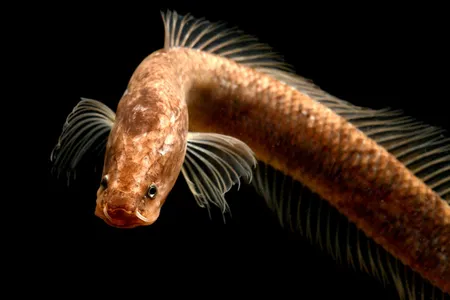
Subterranean Fish Named ‘Gollum’ Belongs to a New Family
The freshwater fish belongs to a never-before-described taxonomic family, making it one of the biggest finds of the last decade
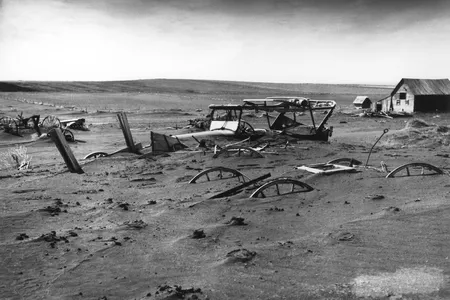
Are the Great Plains Headed for Another Dust Bowl?
Researchers say atmospheric dust in the region has doubled in the last 20 years, suggesting the increasingly dry region is losing more soil skyward
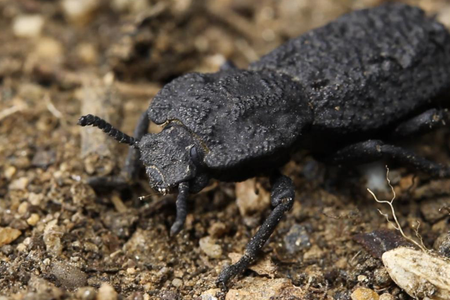
The Secrets of the Diabolical Ironclad Beetle’s Almost Unsquishable Strength
Researchers hopped in a Toyota Camry and drove over the beetle twice…for science—and it survived
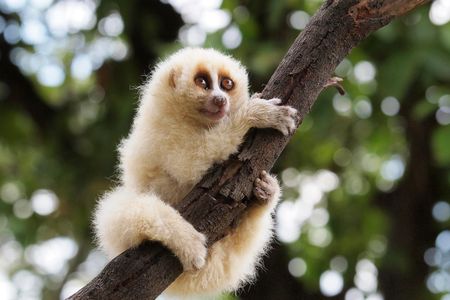
The Cute-but-Deadly Slow Loris Reserves Its Flesh-Rotting Venom for Its Peers
The world’s only venomous primates just got weirder
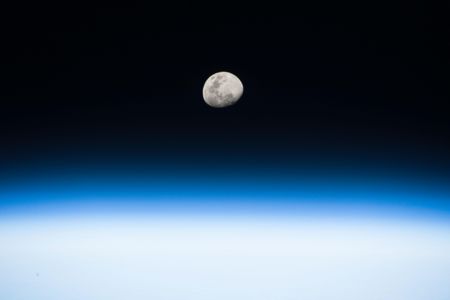
Future Moon Walkers Will Get 4G Cell Reception
NASA taps Nokia to install the first ever cellular network on the moon as part of a plan to establish long-term human presence on the lunar surface by 2030
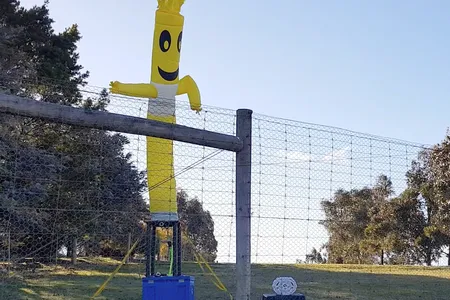
In Australia, Inflatable Tube Dancers Scare Dingoes Away From Livestock
At car dealerships, the 13-foot-tall flailing contraptions are meant to attract buyers. But on ranches, they scare off predators and protect the herd
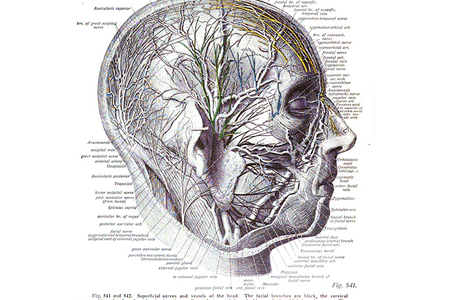
Scientists May Have Identified a Previously Unknown Spit-Producing Organ in Our Heads
Uncovering the existence of the glands will help oncologists protect them from radiation, improving the quality of life for cancer patients
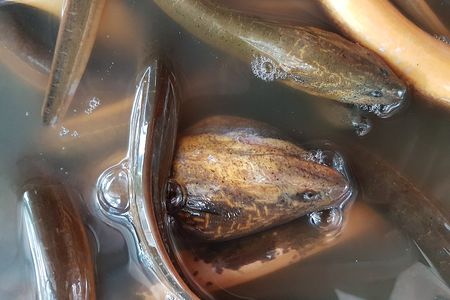
Man Seen Dumping Bags of Eels Into Lake at New York City Park
Officials say the non-native eels are unlikely to survive the winter, but experts caution that the serpent-like fish could still disturb the ecosystem
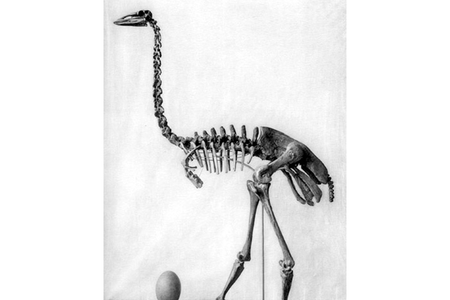
Droughts and Human Interference Wiped Out Madagascar’s Gigantic Wildlife 1,500 Years Ago
The species had survived droughts before, but human interference was the final nail in the mega-sized coffin
Page 241 of 556