

Dolores Huerta, Farmworker Rights Activist Who Coined ‘Sí Se Puede,’ Dies at 96
A pioneering labor organizer who co-founded the United Farm Workers union, Huerta spent a lifetime fighting for migrant laborers’ rights, advocating for women and supporting marginalized communities
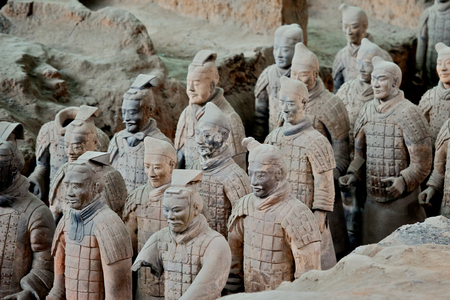
A new study found that adult women and juveniles under the age of 15 accounted for 67 percent of the fingerprints analyzed. The research challenges long-held assumptions about the age and gender of the workers who sculpted Qin Shi Huang’s soldiers
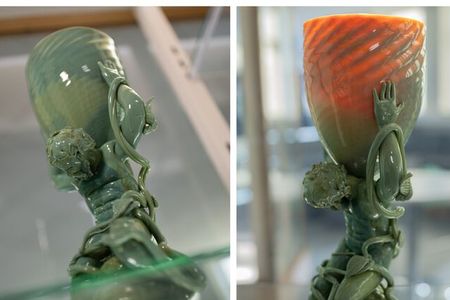
Researchers were inspired by Lycurgus Cup, a chalice from the fourth century C.E. that appears opaque green under reflected light but wine red when lit directly. “To me, it’s magic,” the lead researcher says
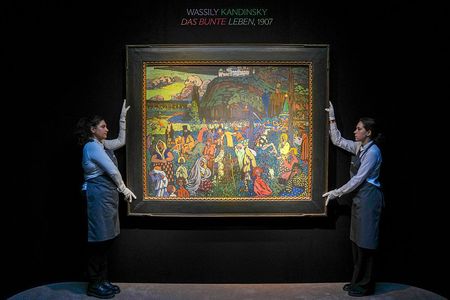
“Das bunte Leben,” the Russian artist’s dreamlike panorama, bridges folklore and early modernism. The sale follows a 2023 ruling concluding that the work was seized from its rightful Dutch Jewish owners
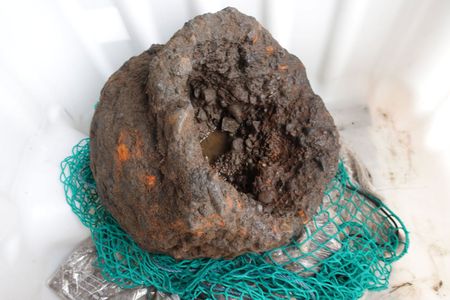
Nobody knows how the three-legged iron cauldron ended up in the River Wear. Weeks before Halloween, it finally returned to the surface
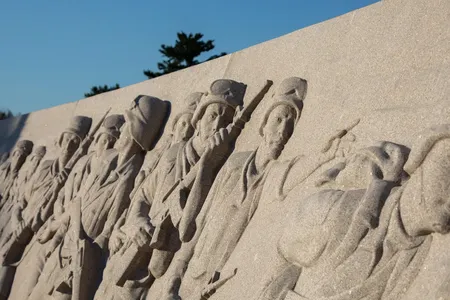
The Desert Shield and Desert Storm Memorial is an oasis-like place for honoring the Americans who served and lost their lives in combat to liberate Kuwait in the early 1990s
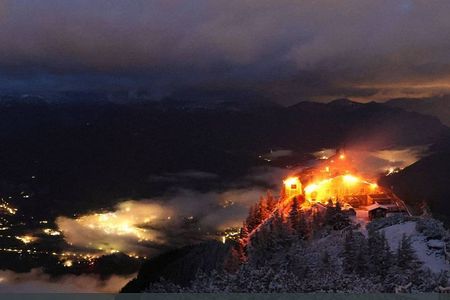
A Fire Ravaged the ‘Eagle’s Nest,’ an Alpine Retreat Built for Top Nazis. What Happens Next?
Police have detained a 33-year-old German citizen in connection with the blaze, which gutted the infamous historic building. In recent years, the mountaintop guesthouse hosted a restaurant, beer garden and exhibit about the site’s dark past
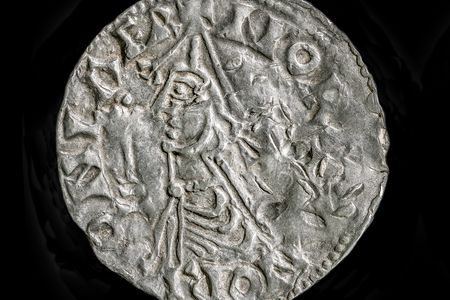
Fewer than 20 coins minted under Norwegian King Olaf II Haraldsson have ever been found. “We can almost imagine Olaf himself holding this coin in his hand,” one researcher says
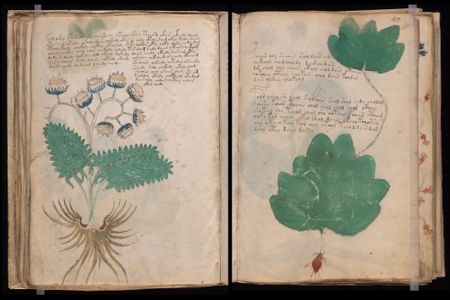
A new study claims that the pages of the Voynich Manuscript, thought to be written by several different scribes in 16th-century Europe, alternate irregularly. It may change the way codebreakers approach the text
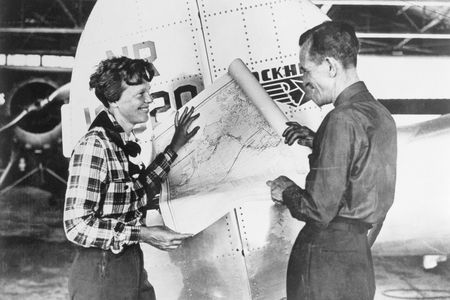
A 17-person crew traveled to a remote atoll in the South Pacific to investigate the so-called Taraia Object. After surveying the site, the team announced that the anomaly was not a fragment of the long-lost Lockheed Electra aircraft
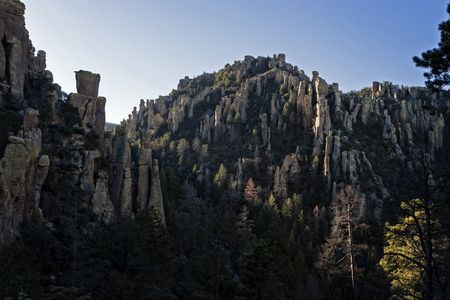
Arizona’s Otherworldly ‘Wonderland of Rocks’ Is Now America’s Newest National Park
Chiricahua National Monument in southeastern Arizona is now Chiricahua National Park, the 64th national park in the United States. Its striking geologic landscape and biodiversity have drawn humans for thousands of years
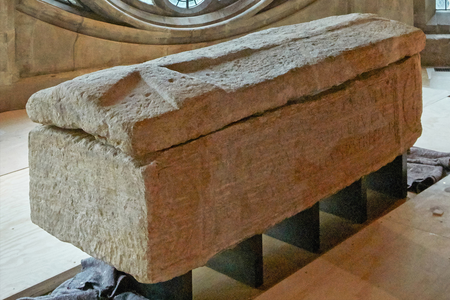
New research suggests that the ancient coffin was repurposed in the 10th or 11th century to hold the remains of an abbot who had overseen the London monastery

The sleuths spent two years digging into archives and building 3D models of 19th-century Paris. The location is now immortalized by a bronze plaque celebrating the historic site and the “poetic” early photograph
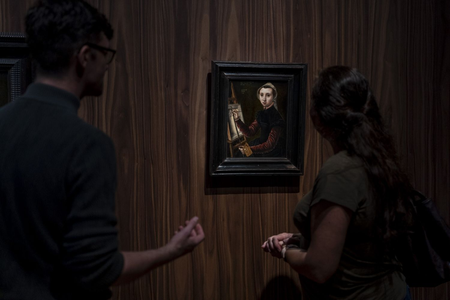
Few women worked as professional artists in the 16th century. A new exhibition in Antwerp, Belgium, seeks to restore this Flemish painter to the pantheon of art history giants
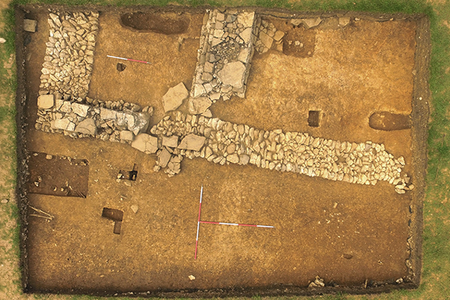
Some residents of the Peaks District in the 13th century may have experienced worse lead pollution than city-dwellers during the Industrial Revolution. Female skeletons showed higher lead levels and earlier ages of death
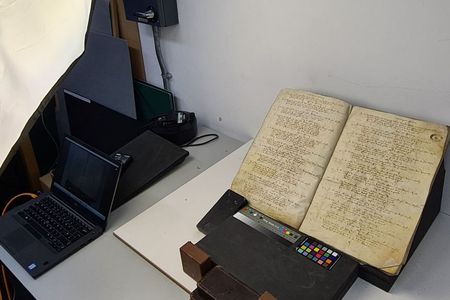
Using AI to comb through hundreds of thousands of handwritten pages of port records, historians have constructed an interactive map of Britain’s maritime trading routes. Even as it expanded in Asia and the Americas, Britain’s commerce with Europe remained overwhelming
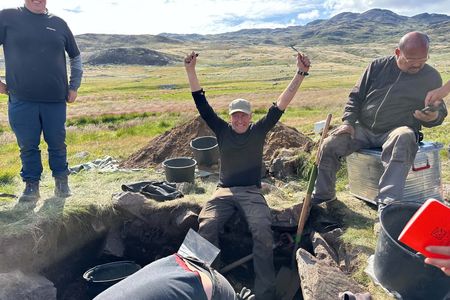
The site was first identified as a possible church decades ago, but researchers did not confirm that hunch until they found human remains there this summer. It could offer another clue to the Viking’s unexplained 15th-century disappearance
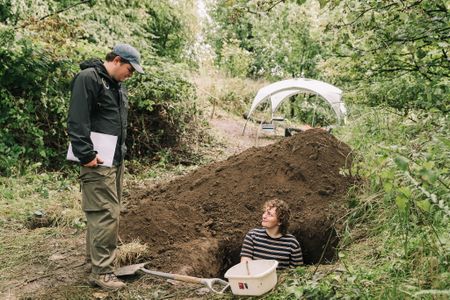
The rebellion against “Harvie’s Dyke,” a pair of stone walls erected in the 1820s, was a triumph for the workers and middle classes of Glasgow, who used riots, boycotts and lawsuits to win back access to the River Clyde
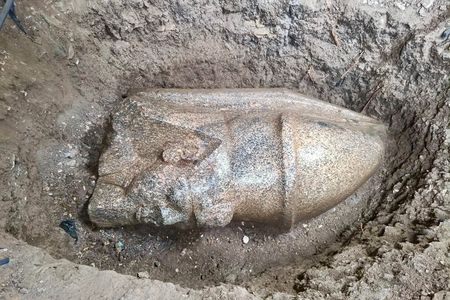
Archaeologists recovered the head of one statue that might have measured nearly 28 feet tall. It could point to a major building site commissioned by the pharaoh
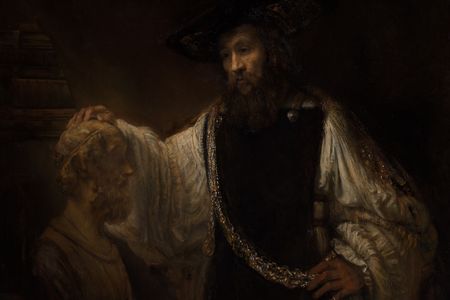
“Rembrandt and the Ancients” at the Metropolitan Museum of Art will unpack an “underexplored but vital” part of the Dutch master’s career, putting his paintings and drawings in conversation with the antecedents that inspired them
Page 3 of 353