
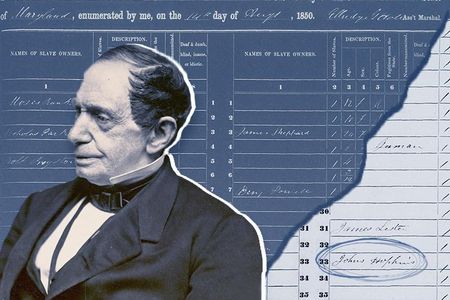
Long Heralded as an Abolitionist, Johns Hopkins Enslaved People, Records Show
The Baltimore university that bears his name announced new research that “shattered” perceptions of the Quaker entrepreneur
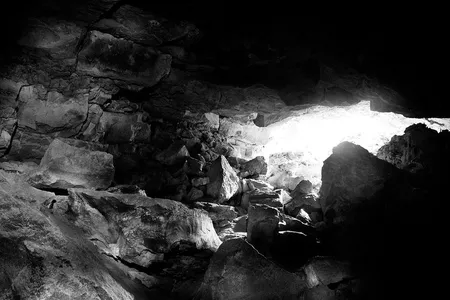
Ancestral Puebloans Survived Droughts by Collecting Water From Icy Lava Tubes
In ancient New Mexico, cold air in cavernous spaces carved out by lava flows preserved blocks of ice
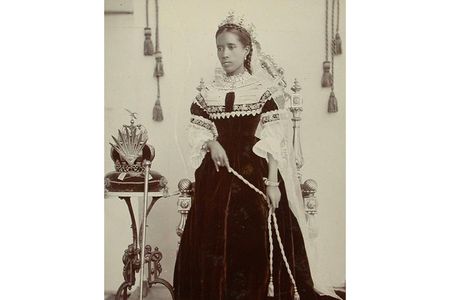
The Little-Known Story of Madagascar’s Last Queen, Ranavalona III
Artifacts linked to the royal are headed home following their purchase at auction by the African island’s government

Your Cherished Family Recipes Could Be Featured in a Museum Exhibition
The National Museum of Women in the Arts is asking the public to share recipes that document unique family histories
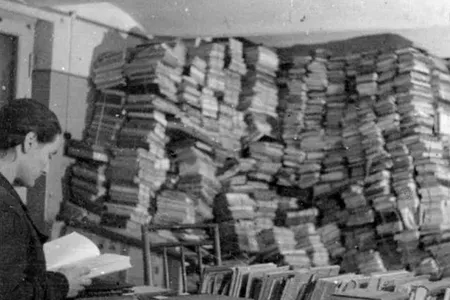
New Digital Project Details 150 Belgian Libraries Looted by the Nazis
During WWII, a special ideological unit stole some 250,000 to 300,000 books for research and propaganda purposes

Remember Chuck Yeager by Exploring the Plane He Flew to Break the Sound Barrier
In 1947, the pilot—who died Monday at age 97—made history by flying the Bell X-1 faster than the speed of sound
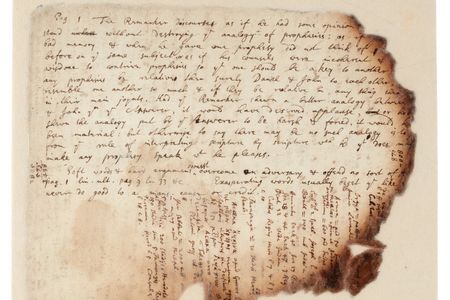
Isaac Newton Thought the Great Pyramid Held the Key to the Apocalypse
Papers sold by Sotheby’s document the British scientist’s research into the ancient Egyptians and the Bible
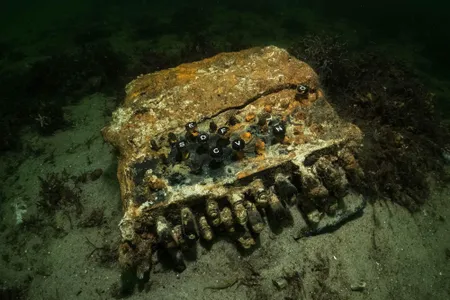
Divers Discover Nazi Enigma Machine Thrown Into the Baltic Sea During WWII
German forces used the device—likely cast into the water to avoid falling into Allied hands—to encode military messages
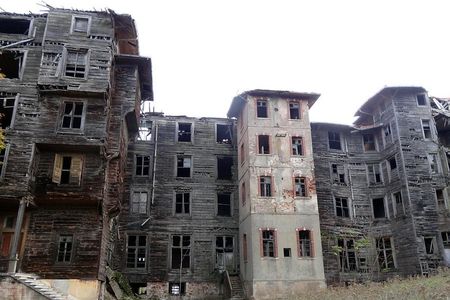
Preservationists Rally to Save Abandoned Casino-Turned-Orphanage in Istanbul
The enormous, 122-year-old structure—one of Europe’s largest wooden buildings—is close to collapsing
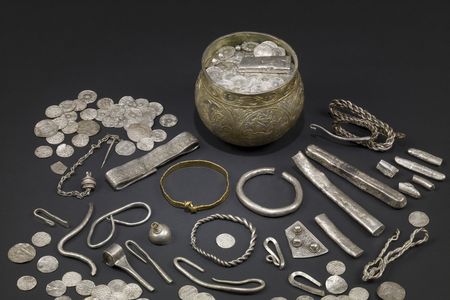
To Protect Its Rare Artifacts, the U.K. Proposes Revised Definition of ‘Treasure’
New standards will ensure significant archaeological finds remain publicly accessible for study and enjoyment, the government says
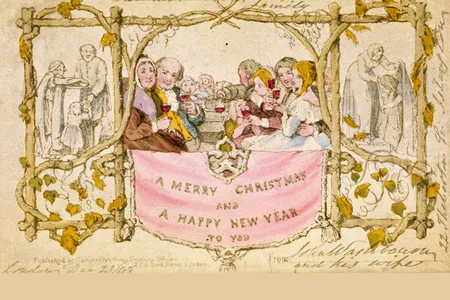
The First Commercially Printed Christmas Card Scandalized Victorian England
Two rare copies of the 1843 greeting card, which depicts a child sipping from a glass of wine, are now up for auction
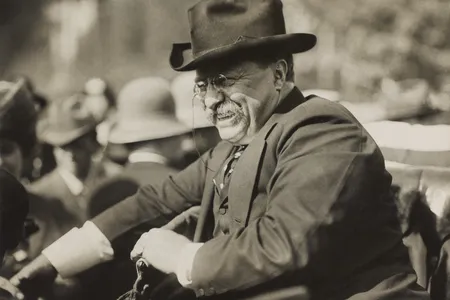
Library of Congress Seeks Volunteers to Transcribe Letters to Theodore Roosevelt
The campaign is part of a broader crowdsourcing effort aimed at making archival materials more accessible to the public
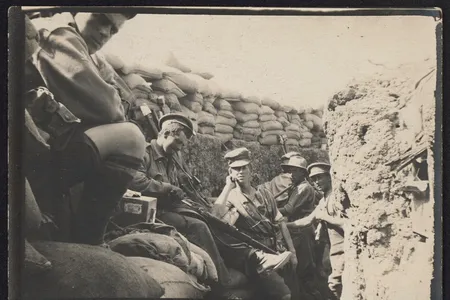
Before WWI, Trench Fever Plagued the Ancient Romans and Napoleonic Soldiers
Long associated with the Great War, the disease actually dates back at least 2,000 years, a new study suggests

Altar to Ancient Greek God Pan Found Embedded in Wall of Byzantine Church
Christians in what is now northern Israel may have repurposed the basalt structure as a deliberate affront to pagan worshippers
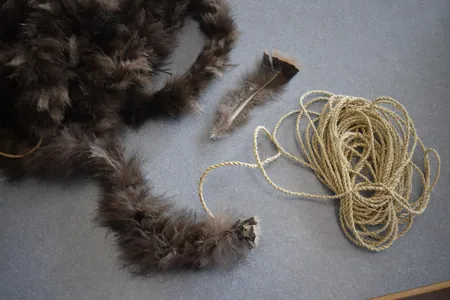
In the Ancient American Southwest, Turkeys Were Friends, Not Food
An 800-year-old blanket made out of turkey feathers testifies to the bird’s significance in Pueblo culture
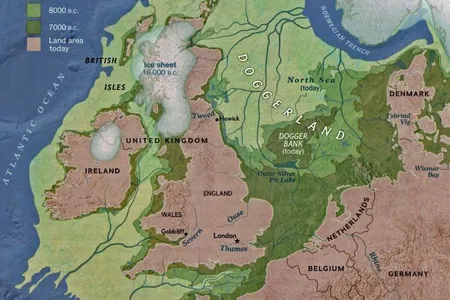
Study Rewrites History of Ancient Land Bridge Between Britain and Europe
New research suggests that climate change, not a tsunami, doomed the now-submerged territory of Doggerland
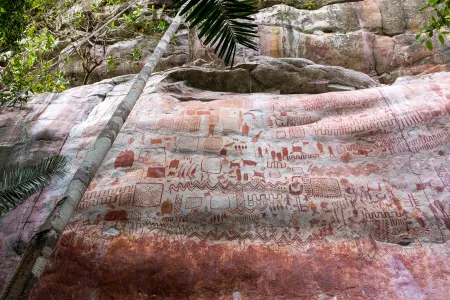
Tens of Thousands of 12,000-Year-Old Rock Paintings Found in Colombia
The images—heralded by researchers as “the Sistine Chapel of the ancients”—depict animals, humans and geometric patterns
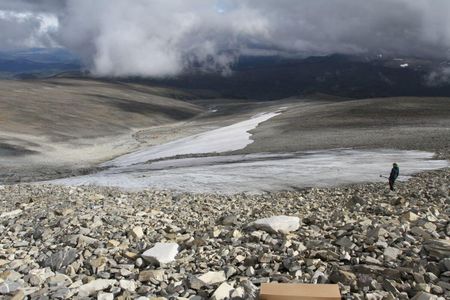
Melting Ice in Norway Reveals Ancient Arrows
Finds from reindeer hunts span 5,000 years, from the Stone Age to the medieval era
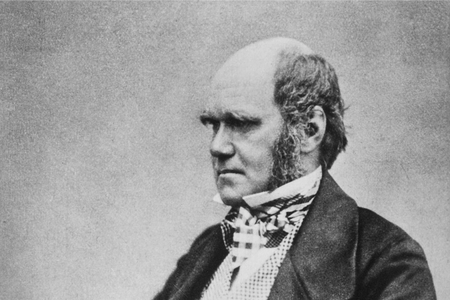
Two Darwin Notebooks Quietly Went Missing 20 Years Ago. Were They Stolen?
Staff at Cambridge University Libraries previously assumed that the papers had simply been misplaced in the vast collections
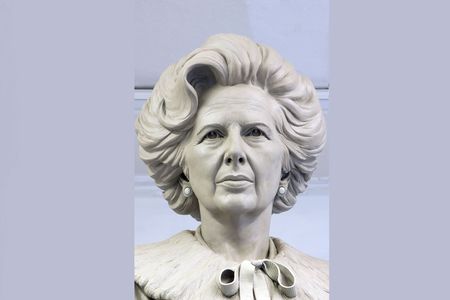
Why a Planned Statue of Britain’s ‘Iron Lady,’ Margaret Thatcher, Is So Polarizing
Set to be installed in the prime minister’s hometown of Grantham next year, the ten-foot-tall work has both supporters and detractors
Page 161 of 351