Subscribe to Smithsonian magazine and get a FREE tote.

Smart News

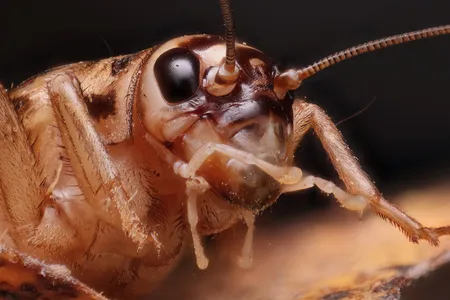
In laboratory experiments, house crickets groomed an antenna that had been touched by a hot soldering iron.

Can Insects Feel Pain? New Research Suggests That Crickets Do

Used for food, feed and research, the critters are among the most widely farmed bugs. The study authors say humans should work to reduce harm in insect farming, handling and experimentation
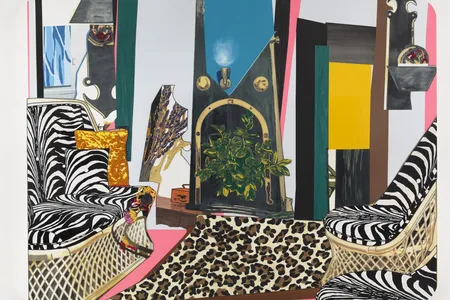
Interior: Zebra with Two Chairs and Funky Fur, Mickalene Thomas, 2012

These Colorful Contemporary Artworks Join the Hirshhorn Museum’s Collection as the D.C. Landmark Continues to Celebrate Its 50th Anniversary

The museum is also preparing to reopen its redesigned sculpture garden, featuring new works from eight artists, this fall
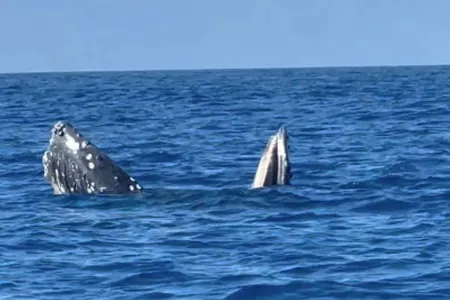
Researchers don't know what drives whale gaping in humpback whales, but the observations posted to social media can help them identify context clues.

Humpback Whales Sometimes Hold Their Mouths Open for No Clear Reason. Tourists Are Helping Scientists Understand the Rare Behavior

A trove of photos and videos gathered from social media has helped researchers propose a few possible reasons for the seldom documented action, called “gaping,” including communication, jaw stretching and play
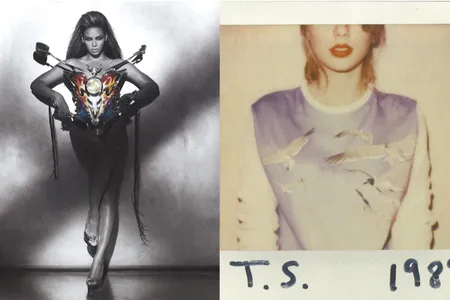
Beyoncé’s single “Single Ladies (Put a Ring on It)” and Taylor Swift’s album 1989 were added to the National Recording Registry.

Music From Beyoncé and Taylor Swift, Plus Dozens of Other ‘Audio Treasures,’ Added to National Recording Registry

The 25 newest additions to the national playlist at the Library of Congress have been deemed “worthy of preservation for all time based on their cultural, historical or aesthetic importance in the nation’s recorded sound heritage”
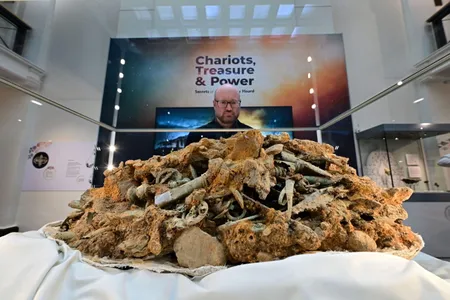
The hoard is on display at the Yorkshire Museum.

A ‘Magical’ Mirror the Powerful Queen of a British Tribe May Have Used Was Discovered in an Enormous Iron Age Hoard, Now on Display

Visitors to the Yorkshire Museum can see artifacts from the Melsonby Hoard, dating to the first century C.E., that rewrite the story of wealth and power in Britain around the time of the Roman invasion
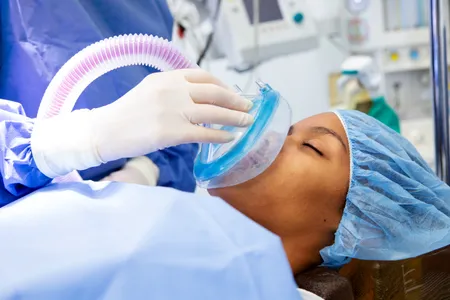
The study focused on brain cell activity in a structure called the hippocampus, which is important for memory and learning.

Is the Unconscious Mind Aware of Its Surroundings? New Research Suggests Anesthetized Brains Can Process Overheard Words

Seven participants had electrodes temporarily implanted in a brain structure important for learning. While anesthetized, their nerve cells learned to differentiate between distinct sounds—and could even predict upcoming words in phrases
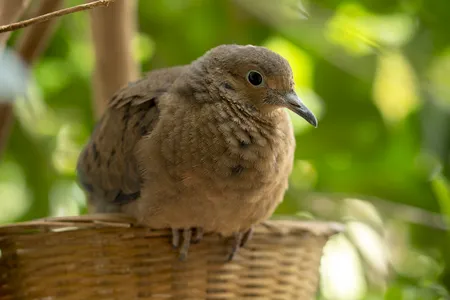
This Socorro dove recently hatched at the San Diego Zoo Safari Park. Conservationists have been undertaking a decades-long effort to breed the extinct-in-the-wild species and one day reintroduce it to its native Socorro Island in Mexico.

New, Rare Dove Hatchlings Are a ‘Source of Hope’ for the Extinct-in-the-Wild Birds and a Step Forward in the Ambitious Project to Save Them

The Socorro dove has not been recorded in the wild since 1972, but that could change within only a few years, conservationists say, thanks to a long-term reintroduction effort
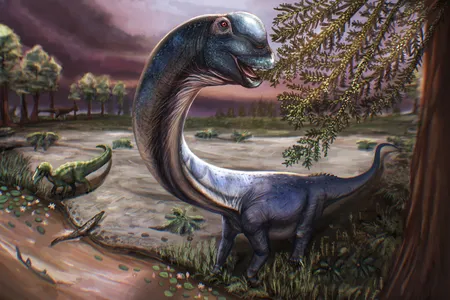
Nagatitan chaiyaphumensis was a long-necked, plant-eating dinosaur that lived in what is now Thailand between 100 million and 120 million years ago.

Cool Finds

A Man Spotted Strange-Looking Rocks Near a Pond in Thailand. They Turned Out to Be the Bones of a Massive New Dinosaur Species

Paleontologists have dubbed the long-necked, plant-eating creature “Nagatitan chaiyaphumensis.” It’s the 14th named dinosaur from Thailand, and it might be the biggest one ever found in Southeast Asia
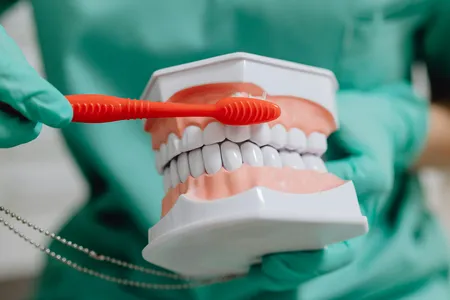
The procedure was likely extremely painful. But, afterward, the Neanderthal continued chewing with the tooth, which suggests they felt some relief.

New Research

Neanderthals Got Cavities, Too—and New Research Suggests They Drilled Into Their Teeth to Treat Them, Just Like Modern Dentists

Researchers unearthed a 59,000-year-old Neanderthal molar that shows signs of dental surgery, a discovery that pushes back the earliest evidence of dental work by roughly 45,000 years

Carlos Álvarez as Diego Rivera and Isabel Leonard as Frida Kahlo in El Último Sueño de Frida y Diego

Frida Kahlo and Diego Rivera Sing Themselves to Death in an Opera at the Met Inspired by Greek Mythology and Mexican Magical Realism

A new production of the all-Spanish opera “El Último Sueño de Frida y Diego” takes the stage in New York City this week, while a partner exhibition at the Museum of Modern Art explores the art behind the opera
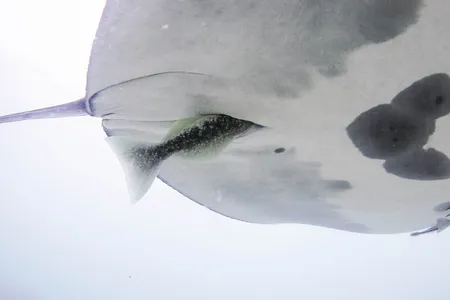
Remoras might dive into manta rays' rear ends when they're scared.

This Fish Hitches Rides in Manta Rays’ ‘Buttholes,’ According to New Research

Scientists suspect that the behavior could harm the manta rays, suggesting a complex relationship between remoras and their hosts that can sometimes be parasitic
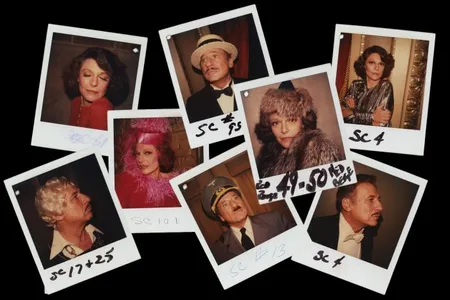
More than 5,000 photographs, including these polaroids, from the archives of Mel Brooks will be donated to the National Comedy Center.

No Joke, Ahead of His 100th Birthday, Mel Brooks Donates His Hilarious Archive to the National Comedy Center

Thousands of notes, storyboards, early scripts and photographs belonging to the “2,000-year-old man” and EGOT winner will join material from Lucille Ball, Joan Rivers and George Carlin

The Bering Strait is a narrow waterway between Russia and Alaska that connects the Pacific and Arctic oceans.

Could Building a Dam Across the Bering Strait Save the Planet From Some Effects of Climate Change?

A preliminary study suggests that blocking off the waterway between Russia and Alaska could help the survival of a key system of ocean currents. But there could be potential unforeseen consequences, particularly to marine ecosystems
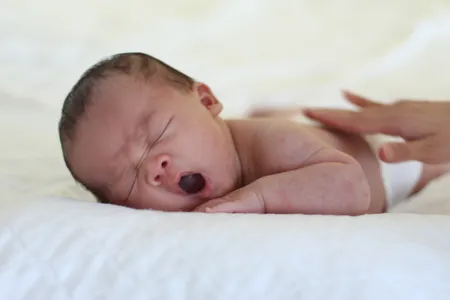
Laboratory experiments involving pregnant mothers suggest that they can spread yawns to their soon-to-be-born offspring in the womb.

Fetuses Can ‘Catch’ Yawns From Their Mothers While Still in the Womb, New Research Suggests

Yawning is considered a social behavior. Although fetuses were known to yawn, scientists weren’t sure if it was a self-contained reflex or if they could somehow detect cues from their moms
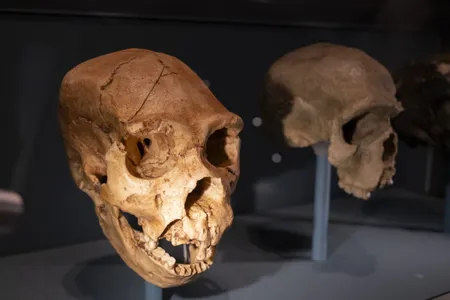
Neanderthals and modern humans have differently shaped skulls, which scientists have long assumed meant they also had different brains. But new research challenges that assumption.

New Research

Did Homo Sapiens Really Outsmart Neanderthals? Different Skull Shapes Didn’t Necessarily Mean Unequal Brain Capacity, New Research Shows

A study from U.S. and Chinese researchers suggests Neanderthals and early modern humans probably had similar cognitive abilities
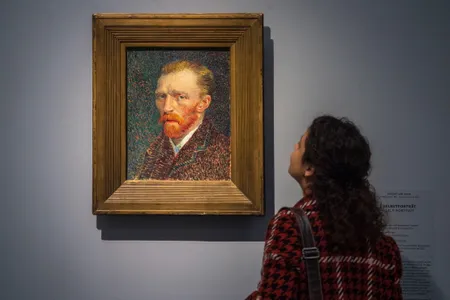
A museum-goer looks at a Vincent van Gogh painting.

New Research

The Relaxation of Regularly Listening to Songs or Drawing Pictures May Actually Slow Cellular Aging, New Research Shows

According to a new study, people who are exposed to art on a weekly basis are about a year younger “biologically” than those exposed only once or twice per year
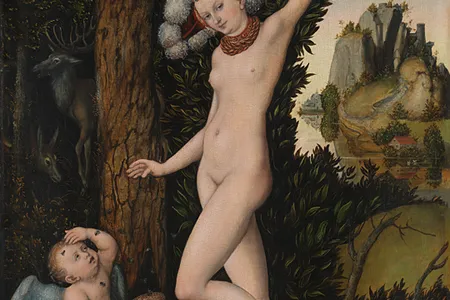
Cupid Complaining to Venus, Lucas Cranach the Elder, 1526-1527

This Renaissance Painting Took a Winding Path From Hitler’s Munich Apartment to an American Journalist’s Home to the National Gallery in London

An art historian recently spotted the 16th-century artwork in a rare photograph of Hitler’s old apartment that was printed in a 1978 furniture catalog
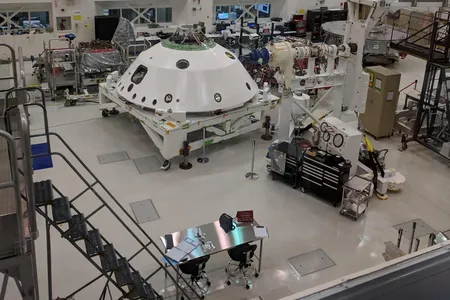
A shell that protected the Perseverance rover during its descent to Mars in a clean room at NASA’s Jet Propulsion Laboratory

This Microscopic Fungus Survived NASA’s Sterilization Protocols—and Is Potentially Hardy Enough to Contaminate Mars

The microbe was gathered from the agency’s clean rooms, where experts build spacecraft in carefully controlled environments. The findings reveal gaps in the agency’s procedures to prevent durable hitchhikers
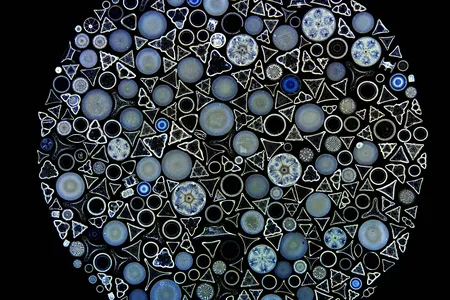
One-celled algae called diatoms are unique because their cell walls are made of transparent silica, like glass, allowing their internal patterns to be visible. Diatoms are key producers of atmospheric oxygen and uphold the aquatic food chain.

See 17 Intricate Microscope Photographs That Make the Miniature World Immense. They Won the Evident Image of the Year Contest

The sixth annual competition showcases scientific microscopic imaging, illuminating tiny parts of nature, from individual cells to arthropods, diatoms and a zebrafish brain
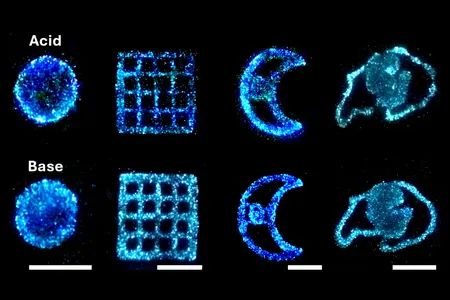
Scientists used acidic and basic solutions to trigger chemical reactions in algae.

These Marine Algae Glow When Waves Disturb Them. Their Bioluminescence Could Power Electricity-Free Lamps of the Future

The single-celled organisms usually shimmer for mere milliseconds, but researchers figured out how to sustain their illumination. The technology could one day be used to light robots’ ways in the deep sea or space

Page 45 of 1155