Subscribe to Smithsonian magazine and get a FREE tote.

Smart News

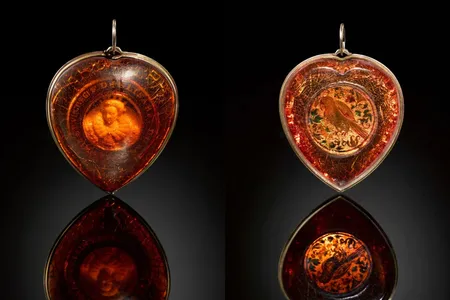
This amber pendant is expected to fetch £100,000 to £150,000 at auction.

Sold for Just £5,588, This Amber Pendant Turned Out to Be a Rare Tudor-Era Portrait of Elizabeth I. Now, It’s Going on Auction for £100,000

A master craftsman carved the likeness around 1600, possibly as a commission from the English monarch herself. A parrot on the back of the heart-shaped object symbolizes Elizabeth’s status as a “virgin queen”

The "cold blob," shown in blue near the top, is also called the Atlantic "warming hole."

As the Ocean Warms, a ‘Cold Blob’ in the Atlantic Has Puzzled Scientists. It Might Be a Warning Sign About a Key Current System

A patch of water south of Greenland and Iceland has cooled by nearly 1.8 degrees Fahrenheit since 1900. A new study suggests that it shows a crucial system of ocean currents is weakening, which could alter Earth’s climate
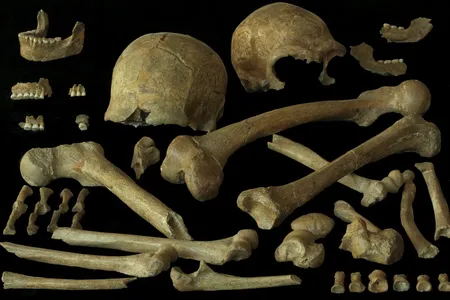
Some of the Neanderthal remains that were analyzed in the new study

Why Did Neanderthals Go Extinct? Inbreeding Probably Wasn’t to Blame for Their Demise in Northwestern Europe, a Study Suggests

In contrast to those who resided in Siberia, Neanderthals who lived in what’s now Belgium and France shortly before the species vanished seem to have been genetically diverse and healthy
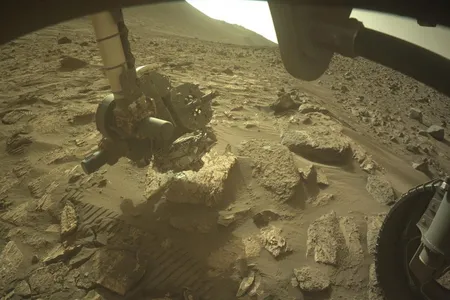
The Perseverance rover inspects a Martian rock called Cheyava Falls using its Scanning Habitable Environments with Raman & Luminescence for Organics & Chemicals (SHERLOC) instrument.

Mars Rover Spots Complex Carbon on the Red Planet, Marking Yet Another Detection of a Building Block of Life

Along with other recent discoveries, the new finding from Perseverance boosts the case that Mars once hosted conditions that could support living things—but it isn’t a definitive sign of ancient organisms
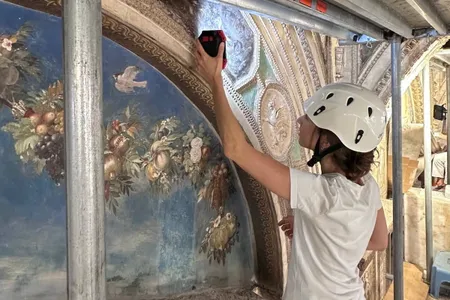
The project is set to take about five years.

The Hall of Raphael Frescoes in the Pope’s Residence at the Vatican Is Getting a Much-Needed Restoration With the Help of Lasers

Conservators will spend the next five years cleaning and retouching the Renaissance frescoes, which date back to the early 16th century
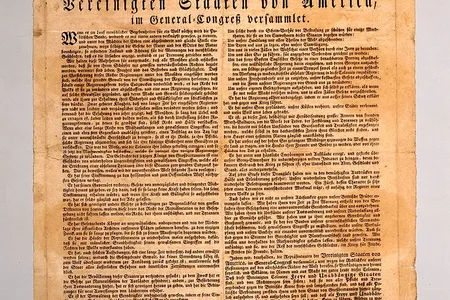
A first printing of the Declaration of Independence of the United States of America in German, from July 6-8, 1776

America's 250th Anniversary

After the Founders Declared Independence, Printers Quickly Translated the Text for German-Speaking Americans

The document, printed in a gothic typeface, was translated in Philadelphia. One of two surviving copies is going on display in Berlin ahead of America’s 250th birthday
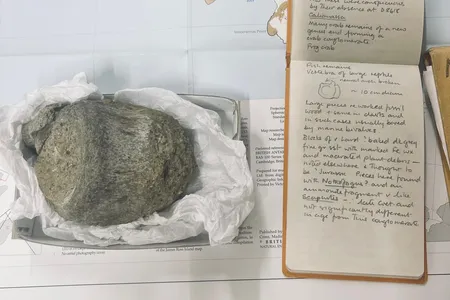
The bone was collected in December 1985 by the late geologist Mike Thomson, who described it as a "vertebra of large reptile" in his field notebook.

A Fossil From Antarctica Sat in a Drawer for 40 Years. It Turned Out to Be the First Dinosaur Bone Ever Found on the Continent

After being forgotten for decades, the mysterious tail vertebra has finally been identified as part of a titanosaur. The discovery helps researchers understand how dinosaurs may have traversed Earth’s southernmost regions
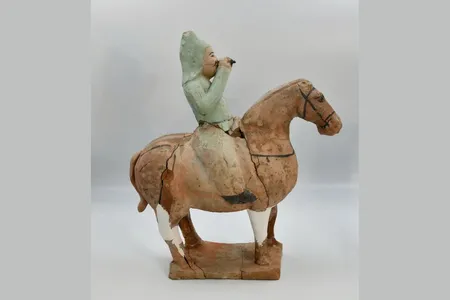
A nomad on his horse, from the sixth to seventh century 

Genghis Khan Is Remembered for His Vast Empire and Fearsome Warriors. This Exhibition Explores His Cultural Legacy

The Royal Armouries Museum will show nearly 250 rare artifacts—from saddles to early paper money—that reveal a side of the Mongol Empire that’s often neglected
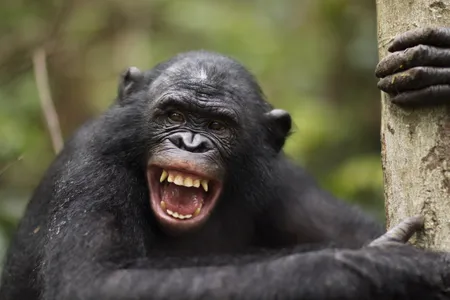
Bonobo male Kikongo making 'happy' grin faces at the Lola ya Bonobo Sanctuary, Democratic Republic of Congo, October 2010

Humans and Great Apes Giggle With a Similar Rhythm and Timing, Suggesting We Have Shared Our Style of Laughter for 15 Million Years

Understanding how laughter evolved can reveal the secrets of human speech
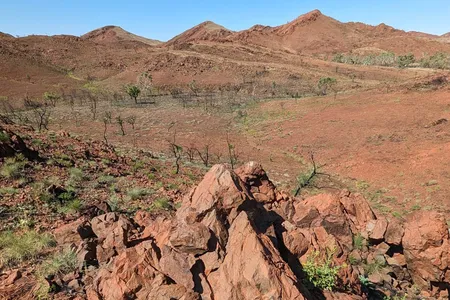
Large conical shatter cones within the Pilbara Craton, Western Australia

Scientists Double Down on Age of What Might Be Earth’s Oldest Impact Crater, Dating It, Again, at More Than Three Billion Years Old

Last year, geologists dated the crater in Western Australia at 3.47 billion years old, which was disputed by other experts. Now, they’ve revised the estimate to 3.02 billion years old—but some still aren’t convinced
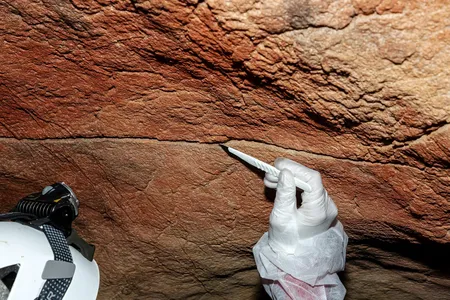
Scientists collected samples from 11 caves in Spain and Portugal.

In a Scientific First, Researchers Recovered Ancient DNA That Humans Left Behind on Rock Art and Cave Walls

DNA preservation on cave walls is highly variable, but scientists say their work is an important step on the path toward gaining a deeper understanding of our creative ancestors
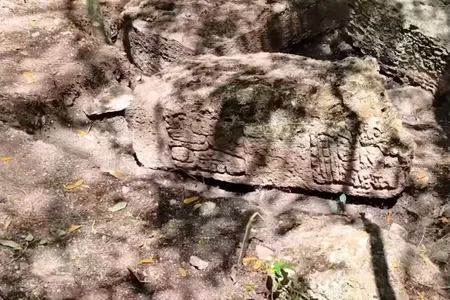
Researchers found carved stone monuments on the site.

Cool Finds

Deep in the Mexican Jungle, Archaeologists Discovered a Lost Maya City That May Yield Clues About the Civilization Just Before It Collapsed

Researchers hacked through more than three miles of vegetation to get to the site, which lies out of bounds of familiar logging tracks. There, they found unique carved stelae and altars
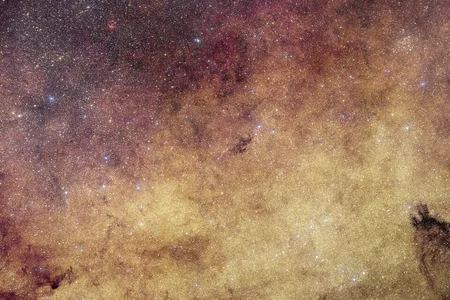
The new image of the center of the Milky Way, which is packed with stars

See the Most Detailed Photo of the Milky Way’s Heart Ever Taken in Visible Light, Which Will Help Astronomers Hunt for Exoplanets

The European Space Agency’s Euclid telescope was built to study dark matter and dark energy, but for one day last year, it captured the densely packed stars brightening the center of our galaxy
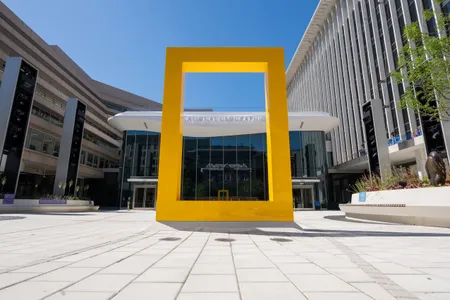
The daytime exterior of the National Geographic Museum of Exploration, taken from the courtyard

Years in the Making, National Geographic’s Museum of Exploration Is Here to Take You on an Adventure

The renovated space highlights the hallmarks of the iconic 138-year-old brand, from wildlife photography to the study of anthropology
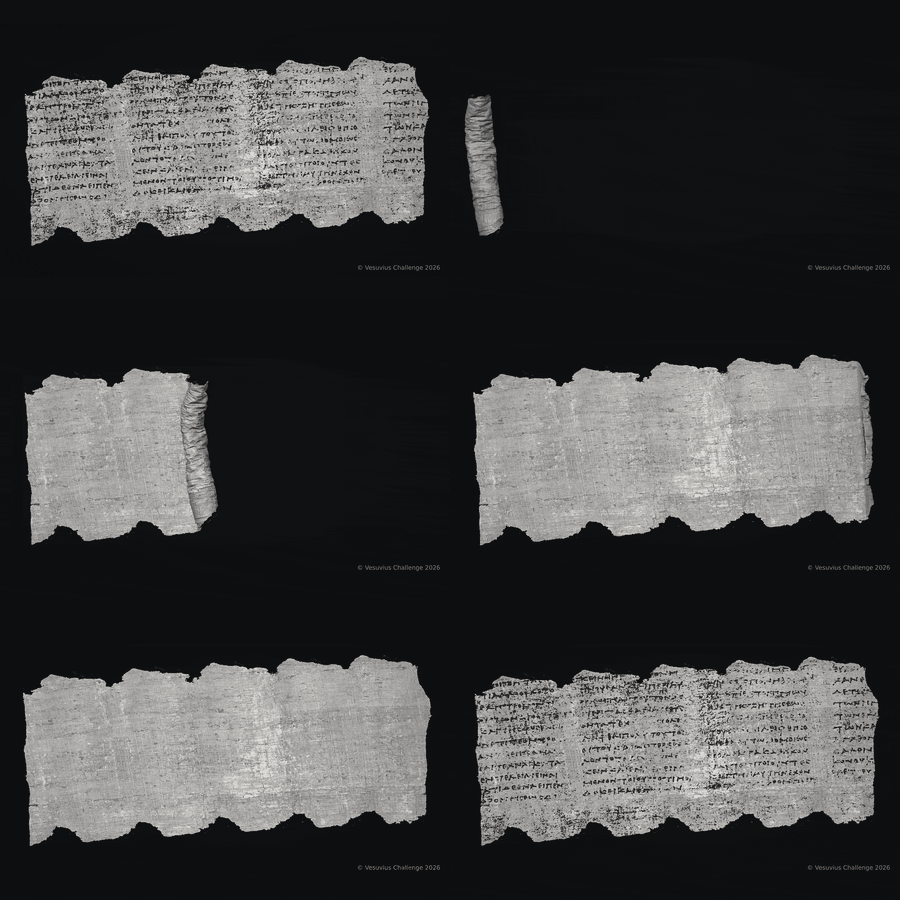
Researchers have virtually unwrapped a nearly five-foot-long segment of PHerc. 1667.

Scientists Have Deciphered the Surviving Fragments of a 2,000-Year-Old Philosophical Treatise Frozen in Time by Mount Vesuvius’ Eruption

The papyrus manuscript was part of a vast library preserved by volcanic ash. Now, the remaining passages—which examine ethics, knowledge and human nature—are accessible for the first time since 79 C.E.
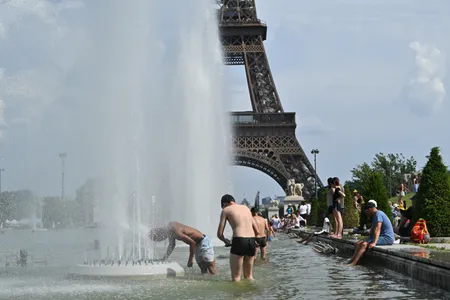
People cool off in the fountains of the Trocadero gardens, with the Eiffel Tower in the background.

Too Hot for Art? Some Paris Museums and Landmarks Close or Reduce Hours Amid a Record Heat Wave in Europe

Meanwhile, other institutions offer their air-conditioned spaces as a way for residents and tourists to beat the heat
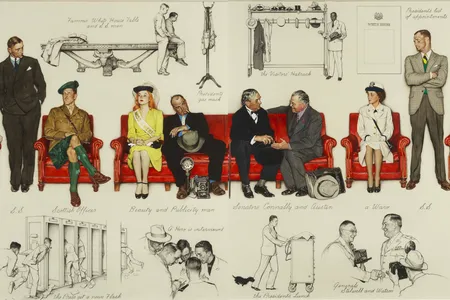
Rockwell was commissioned to create So You Want to See the President! by Stephen Early, Roosevelt’s press secretary.

Norman Rockwell Captured the Hustle of the West Wing in Colorful Drawings Displayed for Decades in the White House. They’re Now on Public View for the First Time

The works were commissioned to humanize President Franklin D. Roosevelt at the height of World War II
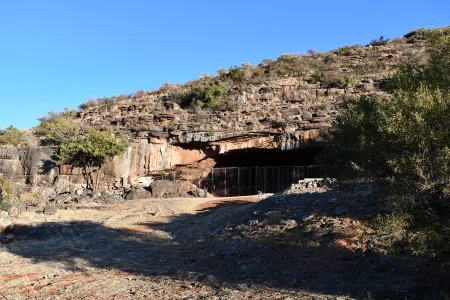
Modern humans and our relatives have occupied Wonderwork Cave in South Africa for around two million years.

Early Humans May Have Used Fire 1.8 Million Years Ago, Nearly Doubling the Age of the Oldest Known Evidence for the Feat

In Wonderwerk Cave in South Africa, burned bones were found in a dirt layer associated with Homo erectus. The inhabitants probably hadn’t mastered fire-making, but researchers say they may have moved and maintained flames from a natural fire
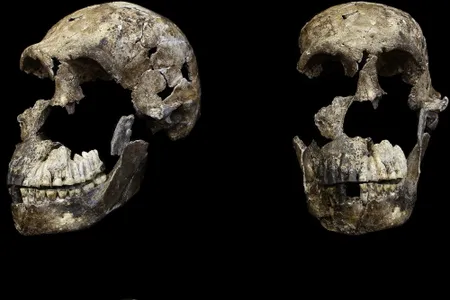
A fossilized Homo naledi skull

New Research

Did These Prehistoric Primates Really Bury Just Their Female Dead Deep in a Cave?

Researchers say that the fossilized bones of “Homo naledi,” so far found exclusively underground in South Africa, lack a key genetic male marker

Rescuers search for victims in a collapsed building in Caracas, Venezuela's capital, following the earthquakes on June 24, 2026.

Powerful Back-to-Back Earthquakes Killed at Least 188 People in Venezuela. Here’s the Science Behind the Rare ‘Doublet’

On June 24, two quakes above magnitude 7 struck the northern part of the country only 39 seconds apart. While doublet sequences aren’t unheard of in seismology, they are uncommon—especially in such short succession

Page 35 of 1155