
Innovation for Good: Game Changers
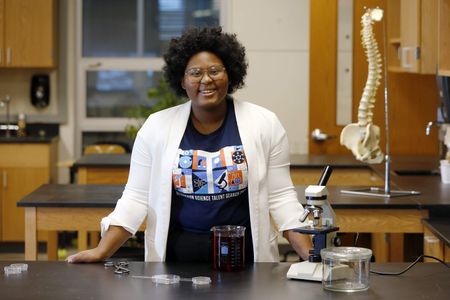
This High Schooler Invented Color-Changing Sutures to Detect Infection
After winning a state science fair and becoming a finalist in a national competition, Dasia Taylor now has her sights set on a patent
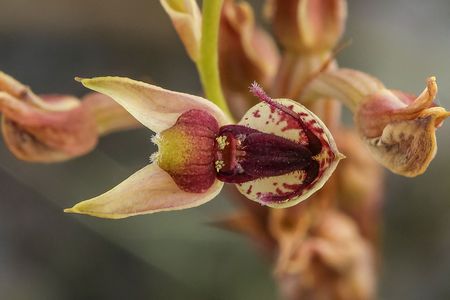
Extremely Rare Orchid Tricks Horny Beetles Into Carrying Its Pollen
The flower found in southern Africa releases a chemical so irresistible to longhorn beetles that they attempt to mate with it
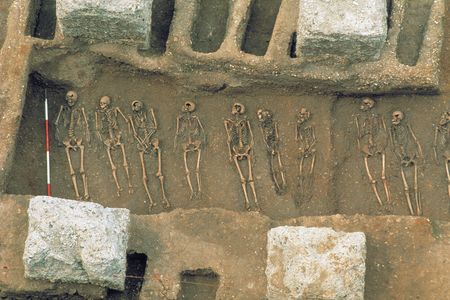
Did the Black Death Rampage Across the World a Century Earlier Than Previously Thought?
Scholar Monica Green combined the science of genetics with the study of old texts to reach a new hypothesis about the plague
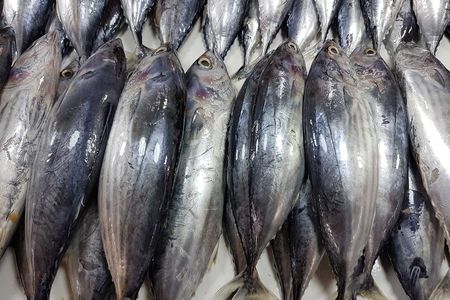
How Will Commercial Fishing Pressure Affect Skipjack Tuna?
The world’s most abundant tuna is resilient, but can the fish outswim our demand?
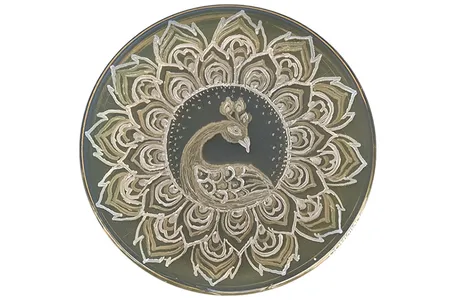
How Microbiologists Craft Stunning Art Using Pathogens
Scientists mix microorganisms with agar, a jelly-like substance from seaweed, to create amazing illustrations in petri dishes
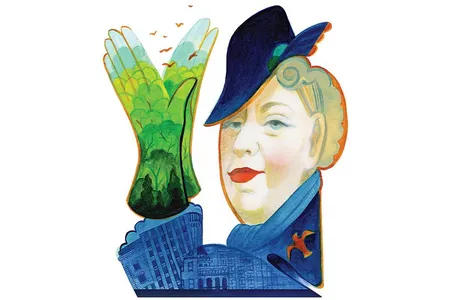
Meet a forgotten hero of our natural world whose brave campaign to protect birds charted a new course for the environmental movement
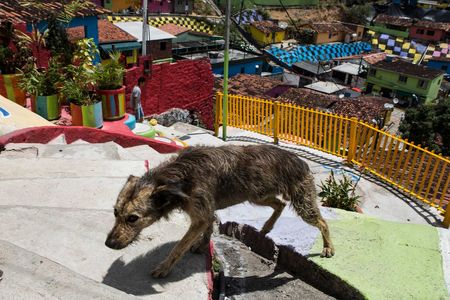
Dogs Infected With a Deadly Human Parasite Smell Better to Insect Vectors
New research suggests female sand flies that pass the protozoa that causes visceral leishmaniasis to humans are attracted to affected canines

Biologist Marie Fish Catalogued the Sounds of the Ocean for the World to Hear
Scientists once thought marine life kept quiet. Then the Navy tapped an aptly named researcher with an open mind

How Can Suburbs Control Deer Populations? And More Questions From Our Readers
You’ve got questions. We’ve got experts
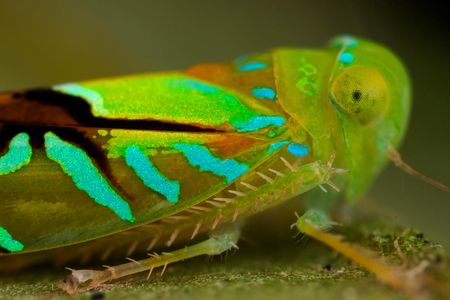
The Wild World of a New Nature Preserve in Ecuador
Scientists have already begun discovering new species in the hotbed of biodiversity
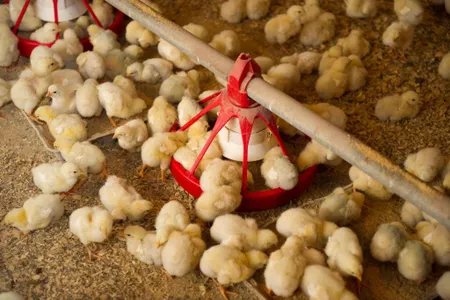
Can New Technologies Eliminate the Grim Practice of Chick Culling?
As the U.S. egg industry continues to kill male chicks, scientists are racing to develop accurate and affordable ways to sex a chick before it hatches
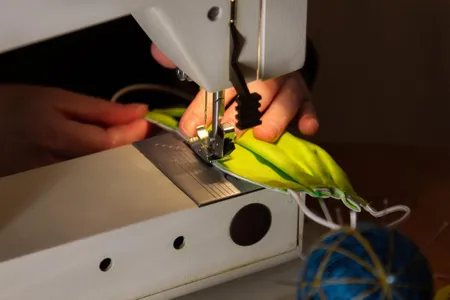
How to Build a Better Homemade Face Mask, According to Science
When Covid-19 hit, Smithsonian researchers set up makeshift home laboratories to conduct groundbreaking studies on mask fabric materials
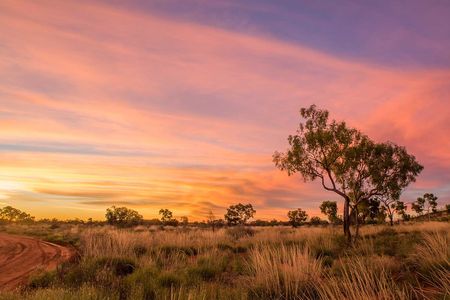
A new report from the federal parliament recommends cat registration, nighttime curfews and spaying and neutering
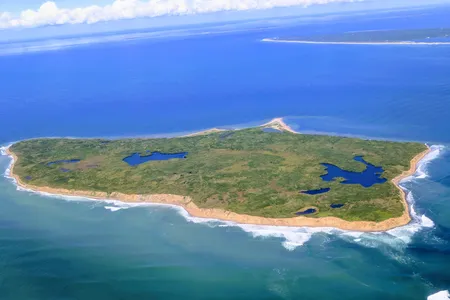
This Uninhabited Island Off of Massachusetts Is Littered With Bombs
Whether wildlife refuge, research destination or restored traditional homeland, the fate of Nomans Land is up for debate
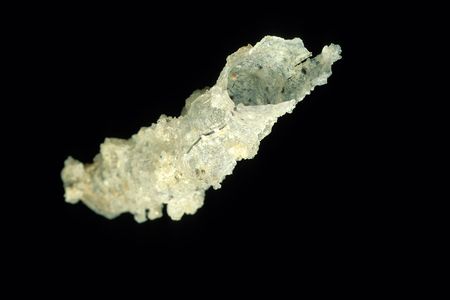
Ancient Lightning May Have Sparked Life on Earth
More than a billion strikes a year likely provided an essential element for organisms
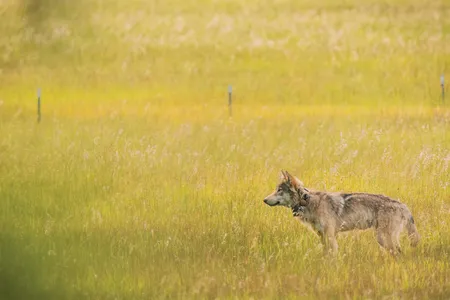
The Wolf That Discovered California
Nearly a century after the last wolf was eradicated in the state, a lone female arrived and established a pack. Not everyone is cheering
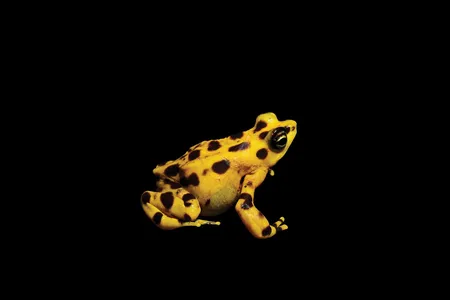
A Small Band of Panamanian Golden Frogs Is Saving Their Species From Oblivion
Victims of a deadly fungus, the amphibians are now being selectively bred through a program at the Smithsonian’s National Zoo
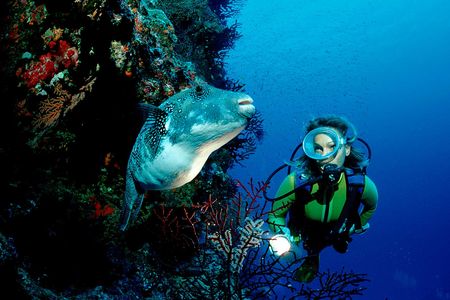
Partially Protected Marine Areas Have Little Benefit, Scientists Say
Compared to fully safeguarded marine protected areas, the zones don’t show a lot of positive effects for marine life or people’s enjoyment

A Dictionary of Science Fiction Runs From Afrofuturism to Zero-G
The long-running project found a new online home, one that showcases the literary genre’s outsized impact on popular culture
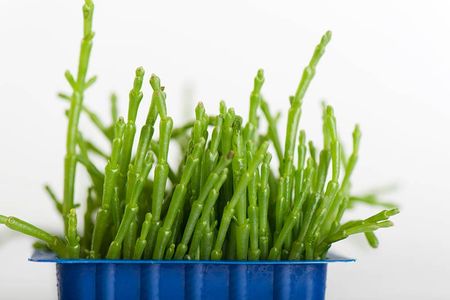
How One Farmer Is Introducing Americans to Sea Beans
In Charleston, South Carolina, Heron Farms is attempting to grow a gangly, salt-tolerant plant in the face of sea level rise
Page 70 of 442