
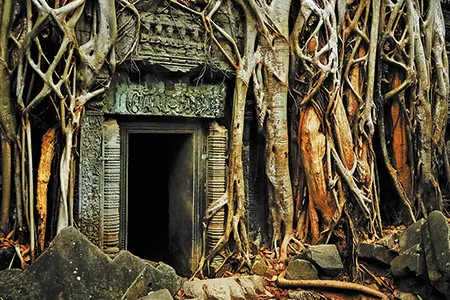
Jane Goodall Reveals Her Lifelong Fascination With…Plants?
After studying chimpanzees for decades, the celebrated scientist turns her penetrating gaze on another life-form
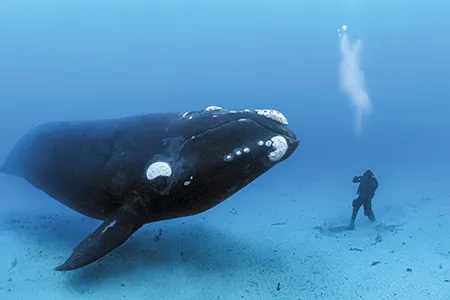
Brian Skerry Has the World’s Best Job: Ocean Photographer
The freelancer’s new exhibit at the Natural History Museum captures the beauty, and fragility, of sea life
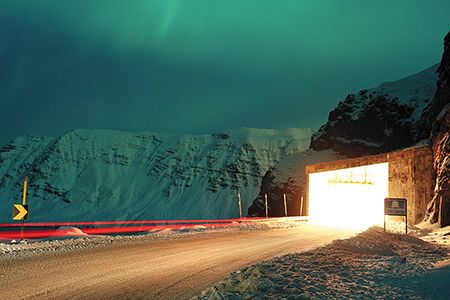
Photos: The Uneasy Conflict Between Artificial and Natural Light
Artist Kevin Cooley has traveled the world capturing landscapes where one light shines on the horizon
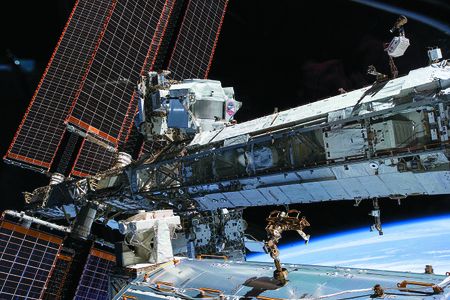
A New Addition to the International Space Station
The AMS can detect and sort hundreds of billions of high-energy particles whizzing through space
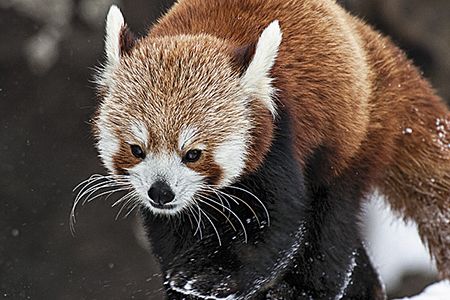
A Visit to the Natonal Zoo’s “Ark of Life”
Smithsonian Secretary G. Wayne Clough journeys to Front Royal, Virginia, to find out the latest in animal research

Dust from the Sahara Can Seed Rain and Snow Clouds Over the Western U.S.
Clouds above California contain dust and bacteria from China, the Middle East and even Africa, new research shows
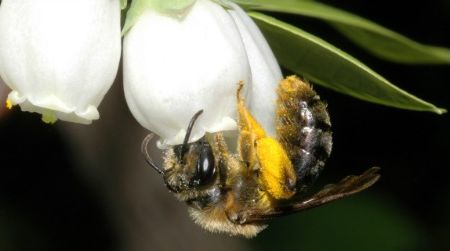
Could Disappearing Wild Insects Trigger a Global Crop Crisis?
Three-quarters of the world’s crops—including fruits, grains and nuts—depend on pollination, and the insects responsible are disappearing
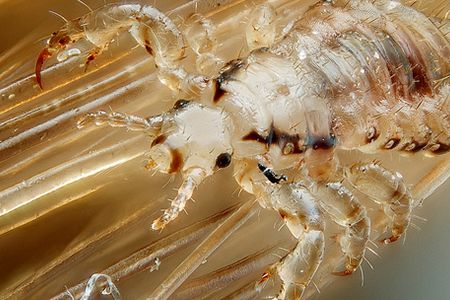
Nitpicking the Lice Genome to Track Humanity’s Past Footsteps
Lice DNA collected around the planet sheds light on the parasite’s long history with our ancestors, a new study shows
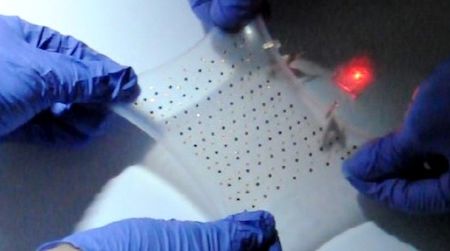
Video: This Stretchable Battery Could Power the Next Generation of Wearable Gadgets
Durable and rechargeable, the new battery can be stretched to 300 percent of its size and still provide power
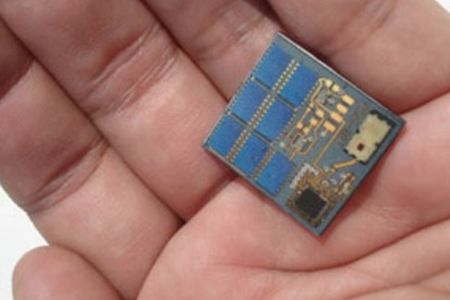
A new fleet of nanosatellites is zooming through space

Snakes in a Frame: Mark Laita’s Stunning Photographs of Slithering Beasts
In his new book, Serpentine, Mark Laita captures the colors, textures and sinuous forms of a variety of snake species
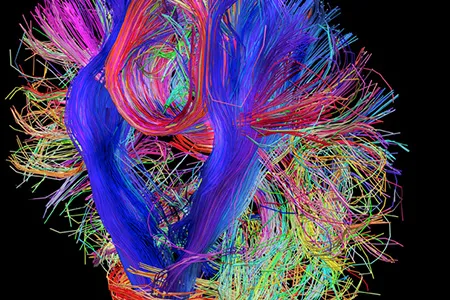
The White House wants to fund a huge project that would allow scientists to see, in real time, how a brain does its work
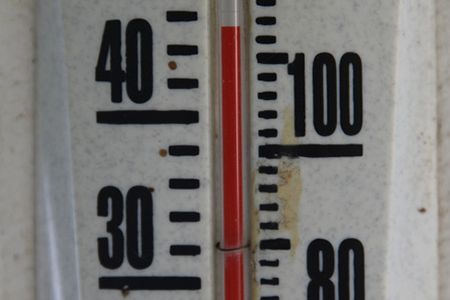
Climate Change is Reducing Our Ability to Get Work Done
Increased temperature and humidity have already limited humankind’s overall capacity for physical work—and it will only get worse in the future
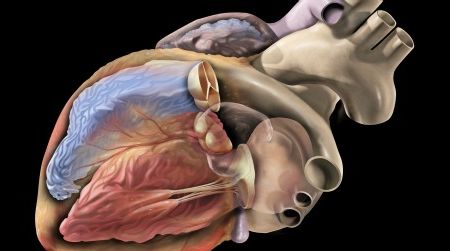
Growing New Hearts Without Using Embryonic Stem Cells
A different type of stem cell—one used in asexual reproduction—can create new heart muscle tissue without raising ethical questions, new studies show
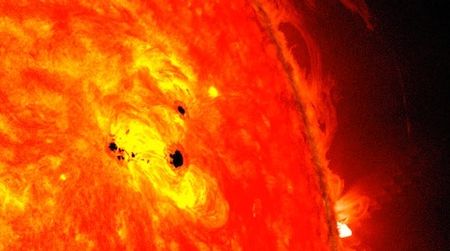
What Damage Could Be Caused by a Massive Solar Storm?
An enormous solar storm could short out telecom satellites, radio communications, and power grids, leading to trillions of dollars in damages, experts say
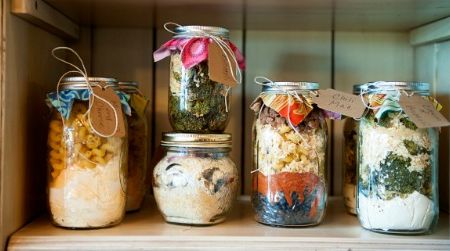
Meals in a Jar: From Pancakes to Baby Back Ribs, Just Add Water
Ready-made meals, good for months on a pantry shelf, work for busy nights, camping trips and power outages
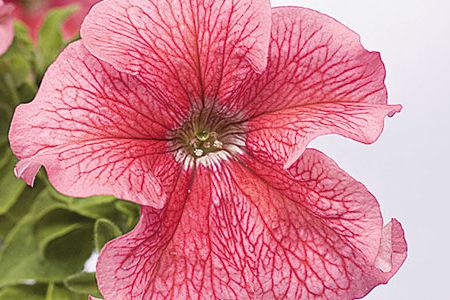
Cracking the Code of the Human Genome
The Story of How An Artist Created a Genetic Hybrid of Himself and a Petunia
Is it art? Or science? With DNA, Eduardo Kac pushes the limits of creativity and ethics
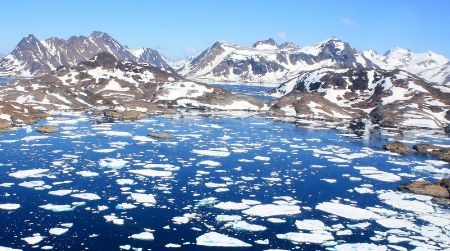
Melting Polar Ice Will Spike Sea Levels at the Equator
Expect higher sea levels in the equatorial Pacific and lower ones near the poles by 2100, according to new research
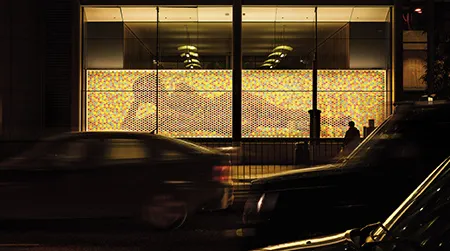
With Biodesign, Life is Not Only the Subject of Art, But the Medium Too
Artists are borrowing from biology to create dazzling “biodesigns” that challenge our aesthetics—and our place in nature
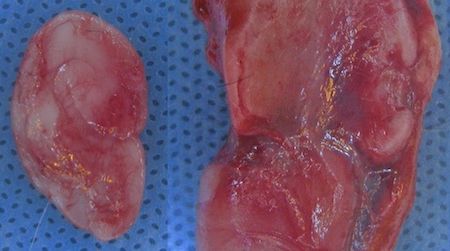
An Artificial Ear Built By a 3D Printer and Living Cartilage Cells
Cornell scientists used computerized scanning, 3D printers and cartilage from cows to create living prosthetic ears
Page 256 of 441