
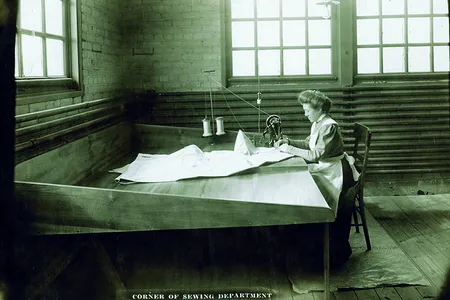
How Ida Holdgreve’s Stitches Helped the Wright Brothers Get Off the Ground
In 1910, Orville and Wilbur Wright hired an Ohio seamstress, who is only now being recognized as the first female worker in the American aviation industry
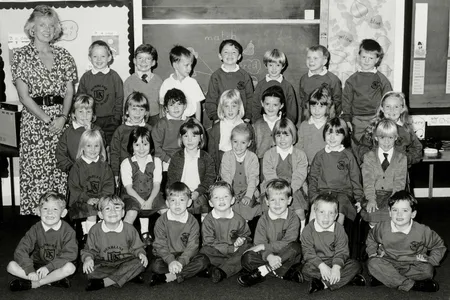
How the 1996 Dunblane Massacre Pushed the U.K. to Enact Stricter Gun Laws
A devastating attack at a Scottish primary school sparked national outcry—and a successful campaign for gun reform
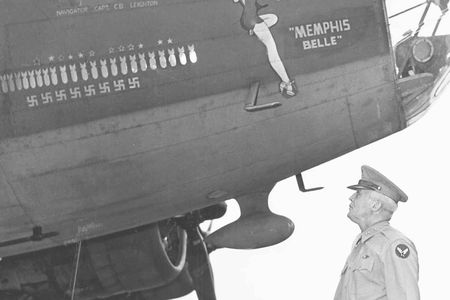
How Gen. Henry ‘Hap’ Arnold, the Architect of American Air Power, Overcame His Fear of Flying
Despite his phobia, the five-star general built the U.S. Air Force
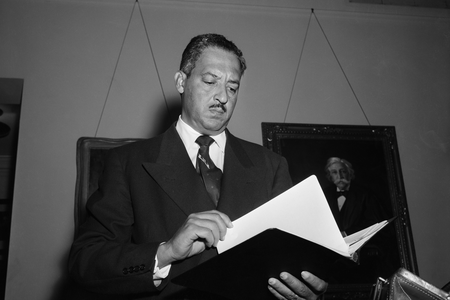
How Thurgood Marshall Paved the Road to ‘Brown v. Board of Education’
A case in Texas offered a chance for the prosecutor and future Supreme Court justice to test the legality of segregation
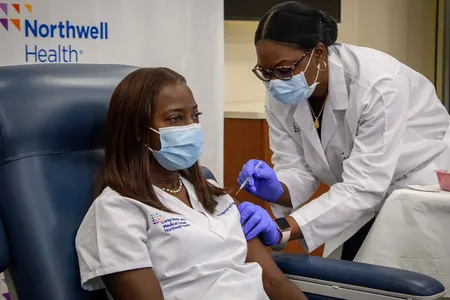
First Vial Used in U.S. Covid-19 Vaccinations Joins the Smithsonian Collections
The empty vial, a vaccination card and scrubs worn by nurse Sandra Lindsay, first to be injected, will go on view in a new exhibition in 2022
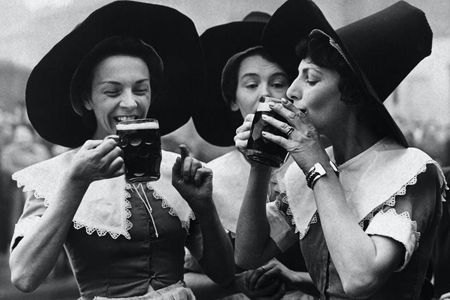
Why Did Women Stop Dominating the Beer Industry?
Strict gender norms pushed them out of a centuries-long tradition
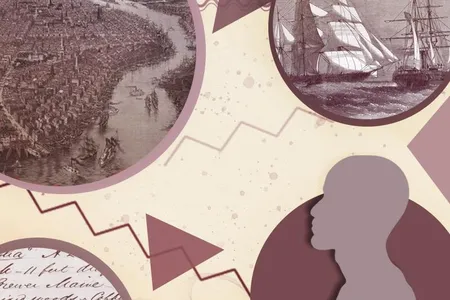
How a Cuban Spy Sabotaged New York’s Thriving, Illicit Slave Trade
Emilio Sanchez and the British government fought the lucrative business as American authorities looked the other way
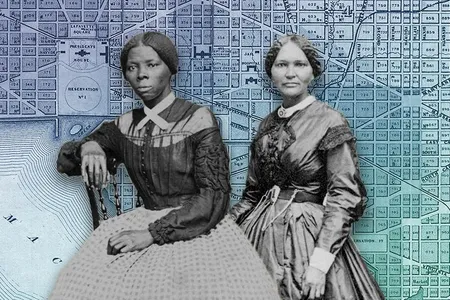
How Black Women Brought Liberty to Washington in the 1800s
A new book shows us the capital region’s earliest years through the eyes and the experiences of leaders like Harriet Tubman and Elizabeth Keckley
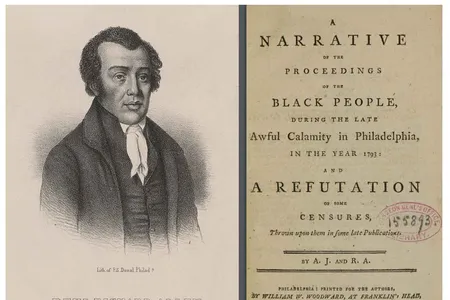
How the Politics of Race Played Out During the 1793 Yellow Fever Epidemic
Free blacks cared for the sick even as their lives were imperiled
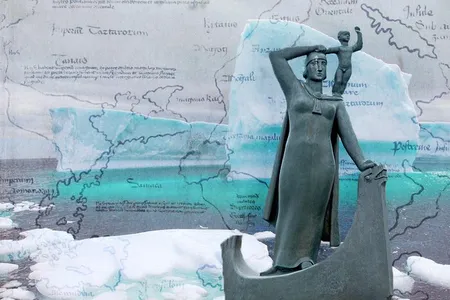
Did a Viking Woman Named Gudrid Really Travel to North America in 1000 A.D.?
The sagas suggest she settled in Newfoundland and eventually made eight crossings of the North Atlantic Sea
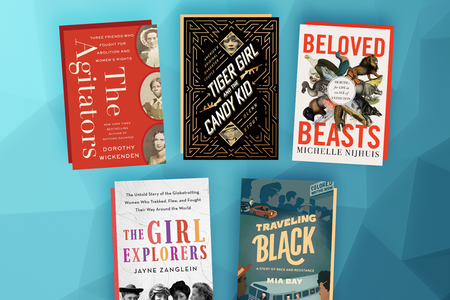
America’s Original Gangster Couple, Trailblazing Women Explorers and Other New Books to Read
These March releases elevate overlooked stories and offer insights on oft-discussed topics

Part of Being a Domestic Goddess in 17th-Century Europe Was Making Medicines
Housewives’ essential role in health care is coming to light as more recipe books from the pre-Industrial Revolution era are digitized
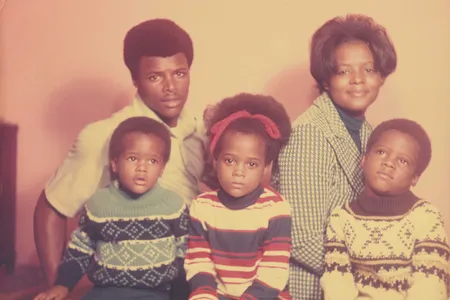
How the Smithsonian Can Help African American Families Research Their Ancestors
The National Museum of African American History and Culture offers service and tips for genealogy efforts
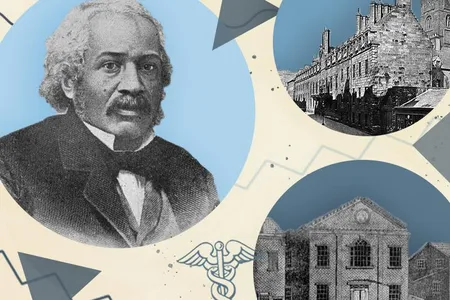
America’s First Black Physician Sought to Heal a Nation’s Persistent Illness
An activist, writer, doctor and intellectual, James McCune Smith, born enslaved, directed his talents to the eradication of slavery

In a Covid-Affected Washington, D.C. Neighborhood, Black History Is Reinterpreted on a City Block
A powerful outdoor exhibition amplifies a message of “pride, tenacity and possibility”
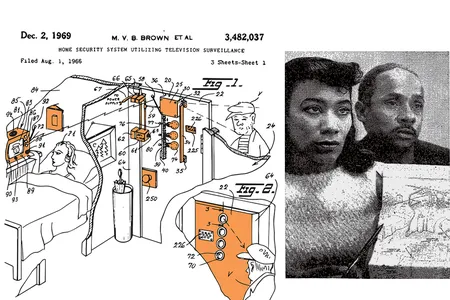
A Brief History of the Invention of the Home Security Alarm
A hardworking nurse envisioned a new way to know who was at the door
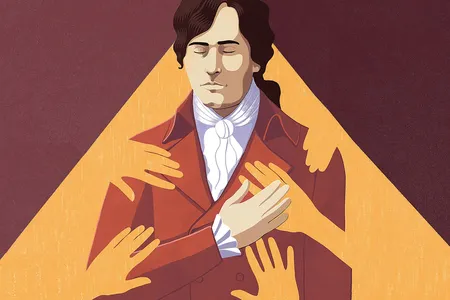
The Fever That Struck New York
The front lines of a terrible epidemic, through the eyes of a young doctor profoundly touched by tragedy
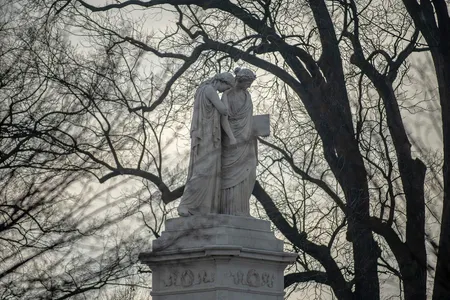
The Tragic Irony of the U.S. Capitol’s Peace Monument
An unfinished Civil War memorial became an allegory for peace—and a scene of insurrection
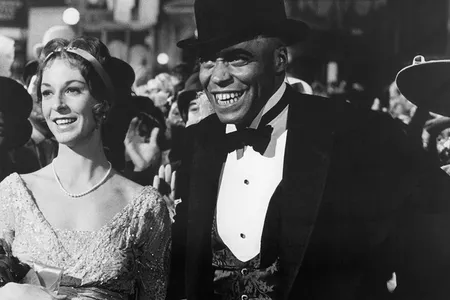
Looking Back at the Legacy of ‘The Great White Hope’ and Boxer Jack Johnson
James Earl Jones and Jane Alexander, the two stars of the play and movie, reminisce about their experience adapting the life story of boxer Jack Johnson
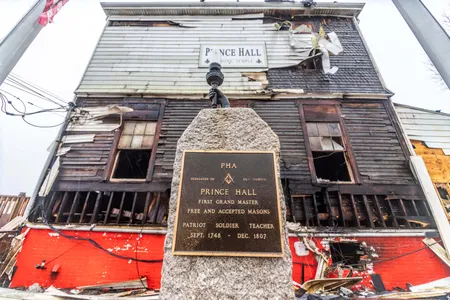
Black Soldiers Played an Undeniable but Largely Unheralded Role in Founding the United States
Veterans like Prince Hall fought for independence and then abolition in the earliest days of the nation
Page 71 of 285