
You Wouldn’t Want to Cuddle This Giant Prehistoric Otter With a Crushing Bite
The “badger otter” has some serious teeth, which had mystified paleontologists until now
Much of the Cuisine We Now Know, and Think of as Ours, Came to Us by War
The long and winding road that brought “local” dishes to our plates
The Original Women’s March on Washington and the Suffragists Who Paved the Way
They fought for the right to vote, but also advanced the causes for birth control, civil rights and economic equality

Revel in These Wondrous Drawings by the Father of Neuroscience
A new book and exhibition pay homage to Santiago Ramón y Cajal’s impressive powers of observation
How Scientists Reconstructed the Brain of a Long-Extinct Beast
This dog-like marsupial went extinct 80 years ago, but its preserved brains help us glean how its mind worked

What Happens to President Obama’s Papers and Artifacts Once He Leaves Office?
From Cuban cigars to a 7,000-page torture report
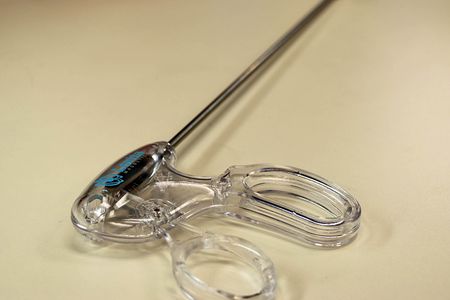
A California Startup Wants To Revolutionize Surgery, With Magnets
A new magnetic surgical system allows surgeons to make fewer incisions and have better views during gallbladder removals

When Was the First Inaugural Ball?
Nothing says there’s a new president in town more than the dance party they throw
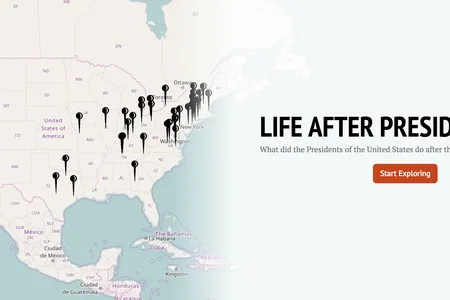
This Interactive Maps Out the Lives of Former Presidents
From Washington to Obama, how ex-commanders-in-chief bided their time after leaving office

A Mystery of Hiding Orchids, Solved
Smithsonian scientists have discovered what triggers the rare small-whorled pogonia to awaken from dormancy
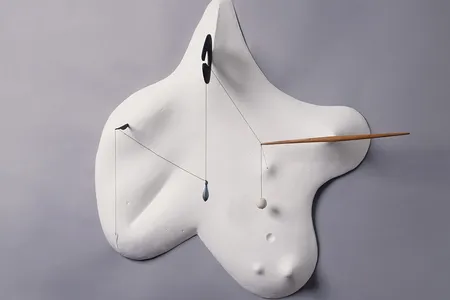
To Bear Witness to Japanese Internment, One Artist Self-Deported Himself to the WWII Camps
The inhumanity brought on by Executive Order 9066 spurred Isamu Noguchi to action
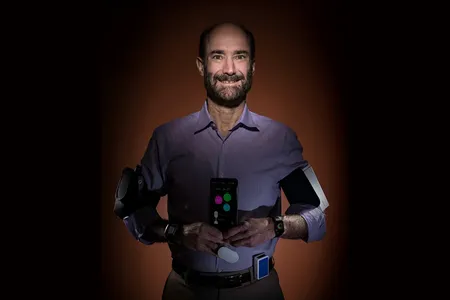
What If an App Could Tell You When You’re Getting Sick?
A Stanford geneticist may be onto something. Body data collected by smartwatches and other sensors can tip us off to brewing colds or infections
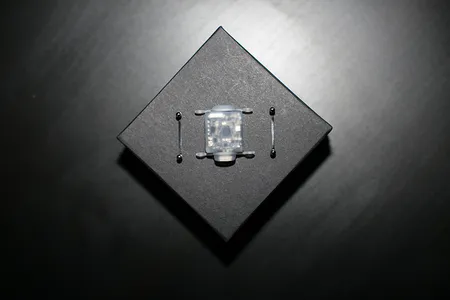
This Artificial Sixth Sense Helps Humans Orient Themselves in the World
A London-based company is selling North Sense, a body-anchored device that vibrates when it faces magnetic north
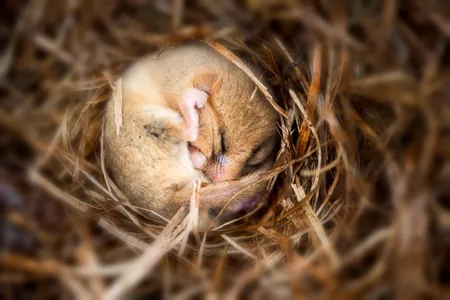
Can Humans Ever Harness the Power of Hibernation?
Scientists want to know if astronauts can hibernate during long spaceflights. First, they need to understand what hibernation is
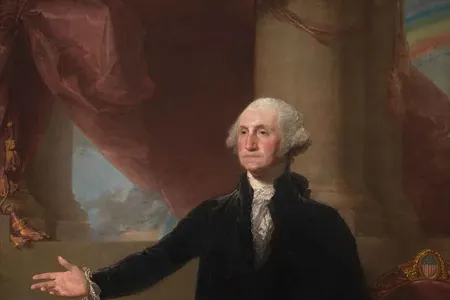
Why America Has a “President” Instead of an “Exalted Highness”
The title just used to mean someone who presided over a meeting
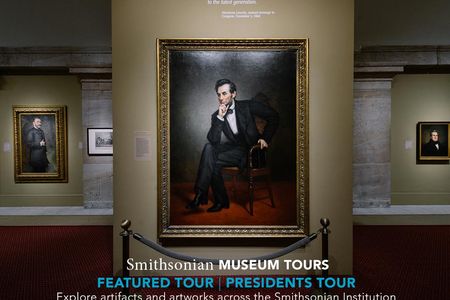
Take a Smithsonian Tour of All Things Presidential
Here’s how to locate official presidential portraits, works of art, material culture and campaign memorabilia across the Smithsonian
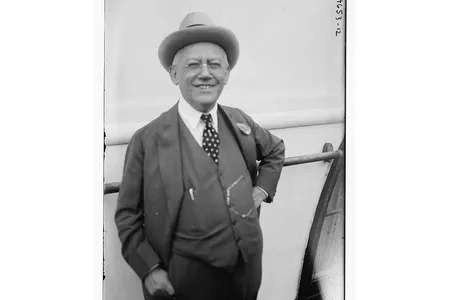
This Hollywood Titan Foresaw the Horrors of Nazi Germany
Carl Laemmle, the founder of Universal Pictures, wrote hundreds of affidavits to help refugees escape Europe
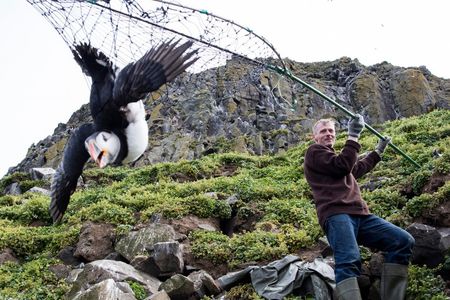
Disappearing Puffins Bring an Icelandic Hunting Tradition Under Scrutiny
Historically, hunting seabirds has been a distinctive feature of Nordic coastal culture. Should it still be?

How Fluid Dynamics Can Help You Navigate Crowds
If you plan to be in a seething mass of humans at some point—whether it’s an inauguration or protest thereof—here’s how to keep yourself safe
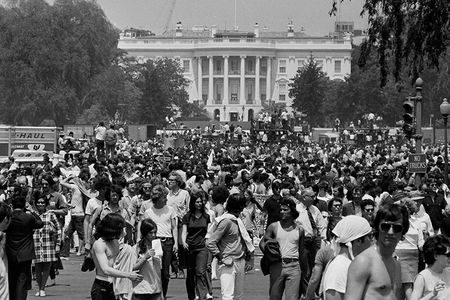
Eleven Times When Americans Have Marched in Protest on Washington
Revisiting some of the country’s most memorable uses of the right to assemble
Page 399 of 1285