
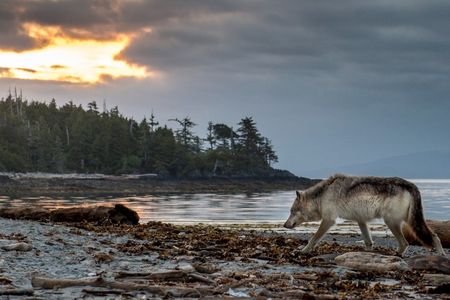
No One’s Afraid of the Big, Bad Wolf—And That’s a Problem
On Vancouver Island, habituation to humans has made wolves aggressive, fearless and more prone to clashes with people
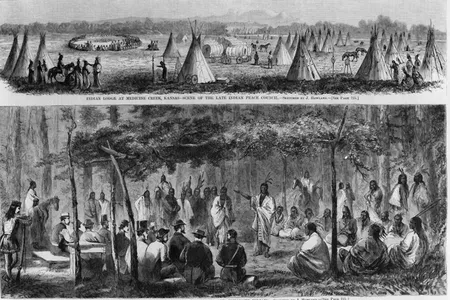
How the 1867 Medicine Lodge Treaty Changed the Plains Indian Tribes Forever
The peace agreement set up reservations for the tribe—only to break that agreement in the following decades
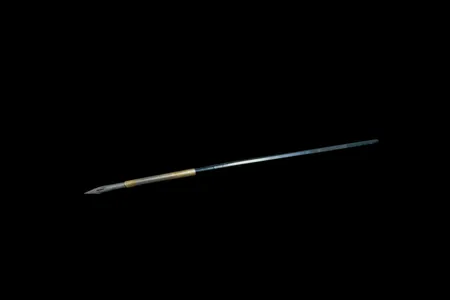
What a Simple Pen Reminds Us About Ulysses S. Grant’s Vision for a Post-Civil War America
President Grant’s signature on the 15th Amendment was a bold stroke for equality

Why Hedy Lamarr Was Hollywood’s Secret Weapon
The starlet patented an ingenious technology to help with the war effort, but it went unrecognized for decades
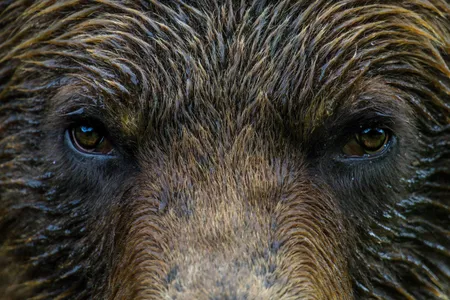
A Paradise for Grizzly Bears Gets an Up-Close Look
This unique North American sanctuary lets a few lucky observers see the besieged species in its wildest state
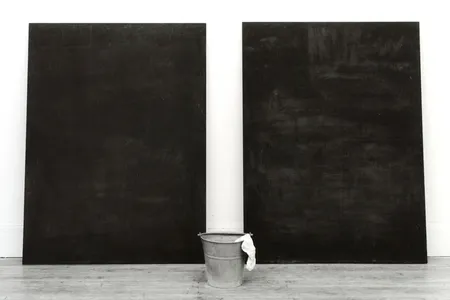
What a Pair of Empty Blackboards Can Teach Us About Art and Social Change
Can art alter the course of history? Should artists even try? Joseph Beuys said yes and yes
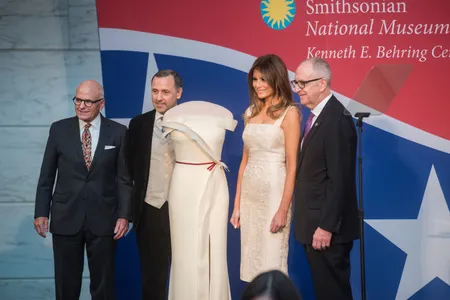
Melania Trump Donates Her Inaugural Ball Gown to the Smithsonian
Mrs. Trump, who confesses a passion for design, had a precise idea of what she wanted to wear on that historic evening
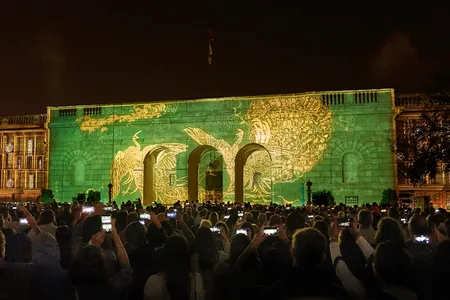
Here’s What It Takes to Turn a Museum into a Movie Screen
To mark the reopening of the Freer Gallery, the façade of the newly renovated museum made its cinematic debut
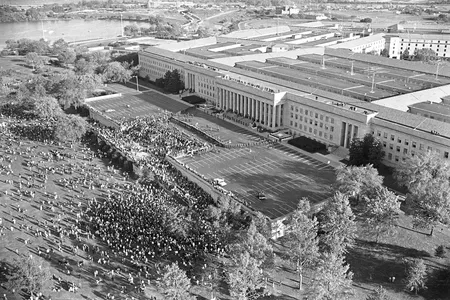
Fifty Years Ago, a Rag-Tag Group of Acid-Dropping Activists Tried to “Levitate” the Pentagon
The March on the Pentagon to end the Vietnam War began a turning point in public opinion, but some in the crowd were hoping for a miracle
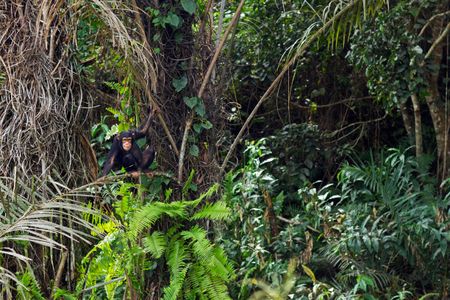
Western Chimpanzees Have Declined By 80 Percent Over The Past 25 Years
The largest population of these animals—the only critically endangered chimp subspecies—sits in a region riddled with bauxite mines
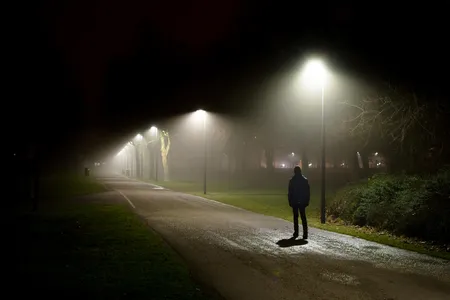
In 2014, Americans Feared Walking Alone at Night. Now They’re Worried about Government Corruption
A survey on American fears by Chapman University sociologists has produced some surprisingly frightful results
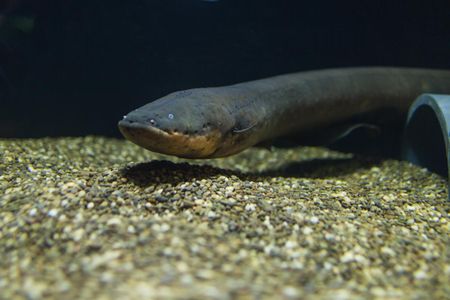
The Shocking World of Electric Fishes
Fish like eels use electricity to navigate their worlds
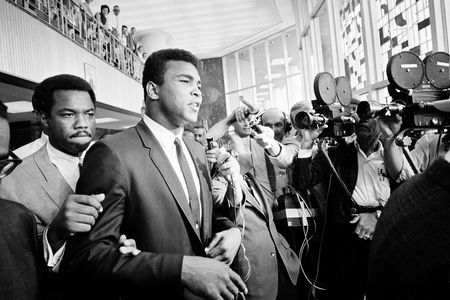
The Ties That Bind Muhammad Ali to the NFL Protests
A new biography reveals new details about the history of the boxer—“a heavyweight of contradictions”
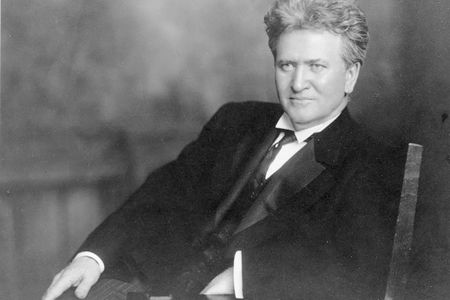
Fake News and Fervent Nationalism Got a Senator Tarred as a Traitor During WWI
The fiery progressive Robert La Follette responded with a classic defense of free speech in wartime
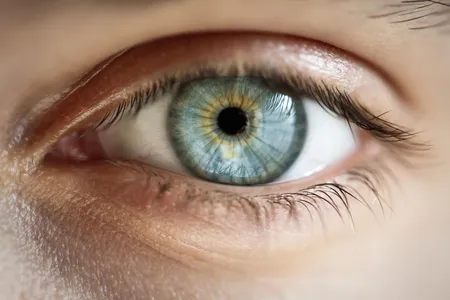
Could This Bionic Vision System Help Restore Sight?
The technology gives hope that blind patients, who lost sight from disease, might one day emerge from the dark
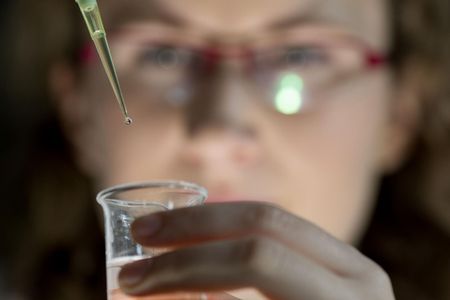
Your Tears Can Generate Electricity
A protein found in human tears can create electricity when placed under pressure, potentially paving the way for better biomedical devices
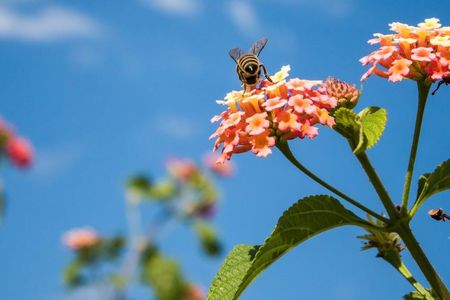
How Flowers Manipulate Light to Send Secret Signals to Bees
Come-hither blue haloes are just one of the effects employed by nature’s first nanotechnologists

Climb a 2,500-Rung Ladder Up New Zealand’s Towering Twin Falls
Clip in and follow 3,200 feet of newly-laid cable up this stunning waterfall in Wanaka
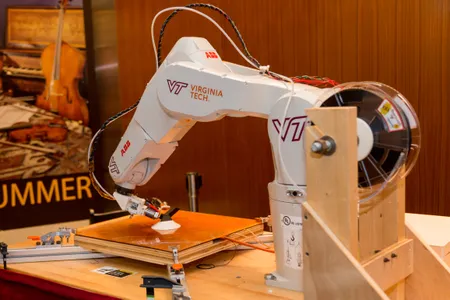
These Collegiate Innovators Are at the Vanguard of Technology and Art
A massive three-day festival spotlights the achievements of the Atlantic Coast Conference
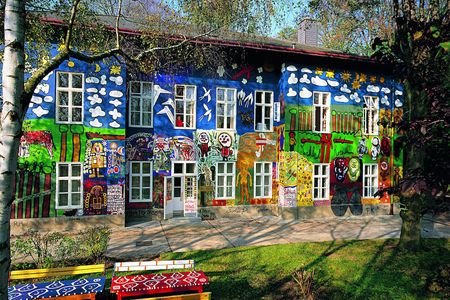
How This Vienna Suburb Became the Center of the “Raw Art” Movement
Once a psychiatric clinic, the Art Brut Center Gugging now serves as a museum exhibiting the works of some of the world’s best self-taught artists
Page 344 of 1285