
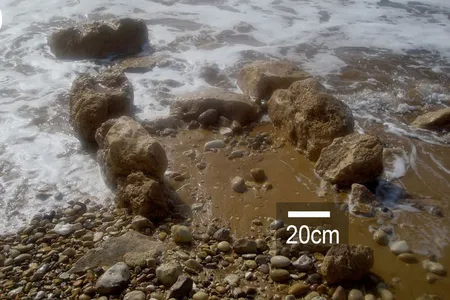
Oldest Known Seawall Discovered Along Submerged Mediterranean Villages
Archaeologists believe the 7,000-year-old structure was intended to protect settlements as sea levels rose
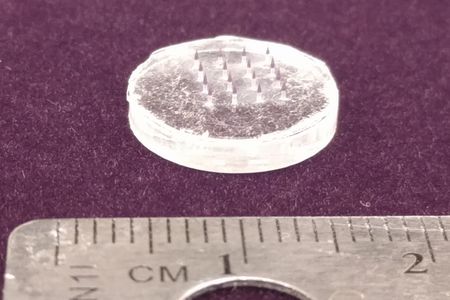
This Spiky Patch Could Invisibly Record Vaccination History Under Skin
But the technology raise several ethical concerns that could stymie its progress
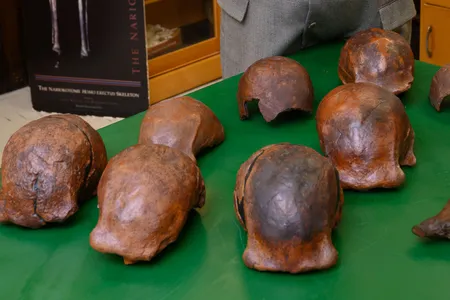
Fossils From Some of the Last Homo Erectus Hint at the End of the Long-Lived Species
Homo erectus, one of the first species of the Homo genus, survived for longer than any other close human ancestor

The New ‘Little Women’ Brings Louisa May Alcott’s Real Life to the Big Screen
More so than in previous film adaptations, writer and director Greta Gerwig weaves the American writer’s own experiences into the classic story
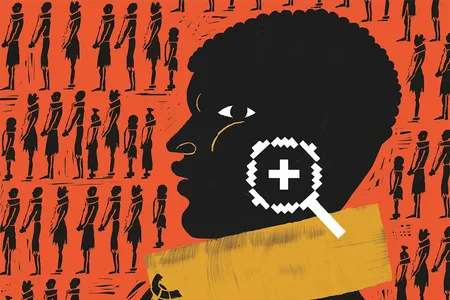
The online resource will offer vital details about the toll wrought on the enslaved

Published More Than 50 Years Ago, ‘I Know Why the Caged Bird Sings’ Launched a Revolution
Maya Angelou’s breakthrough memoir forever changed American literature and helped carve a new space for black self-expression
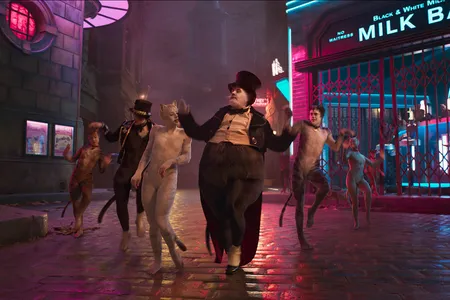
Purrfect or A-Paw-Ling? Why ‘Cats’ Still Gives Some Theatergoers Paws
Experts disagree on the hit musical’s merits; four of the original production’s slinky, feline costumes are held by the Smithsonian
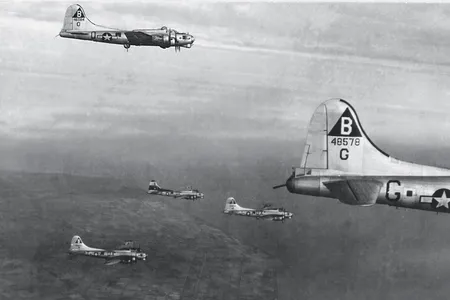
A WWII Airman’s Son Tracks Down His Father’s Last Mission—to Destroy a Nazi Weapon Factory
The impact of one heroic flight would take decades to reconcile
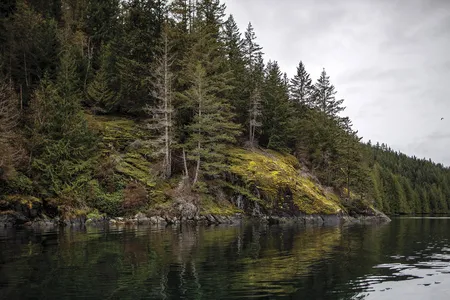
The Story of How Humans Came to the Americas Is Constantly Evolving
Surprising new clues point to the arrival taking place thousands of years earlier than previously believed
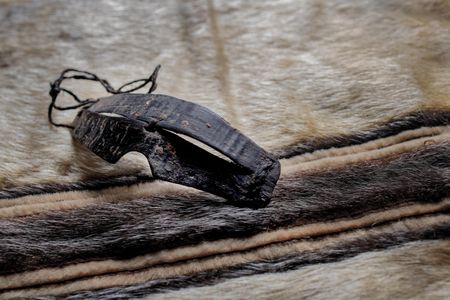
These Snow Goggles Demonstrate Thousands of Years of Indigenous Ingenuity
Made in Alaska and fashioned to protect against snow glare, the eyewear was carved from whale baleen circa 1890
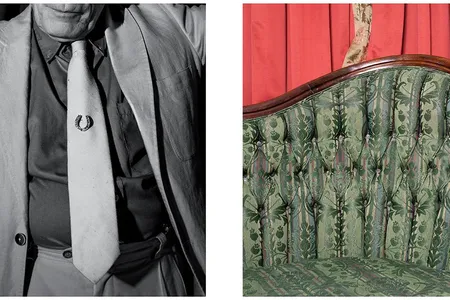
The Charlatan of the Ozarks Still Looms Over the Haunted Crescent Hotel
A notorious quack peddled cures at an Arkansas resort in the 1930s. Nowadays the con game is all for show
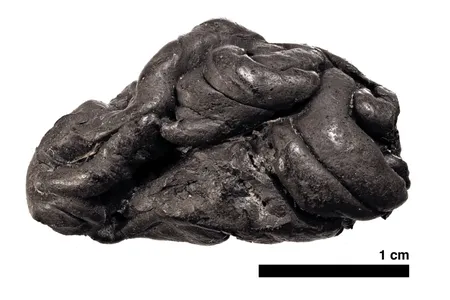
Human Genome Recovered From 5,700-Year-Old Chewing Gum
The piece of Birch tar, found in Denmark, also contained the mouth microbes of its ancient chewer, as well as remnants of food to reveal what she ate
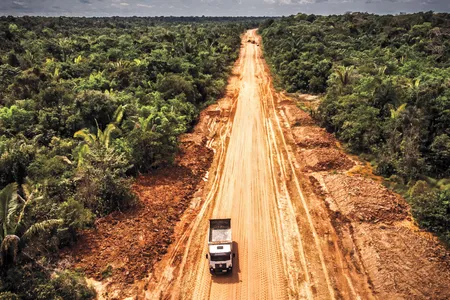
Is the Amazon on a Road to Ruin?
Brazil’s plan to develop a lonesome track in the heart of the rainforest poses a threat the whole world may someday have to overcome
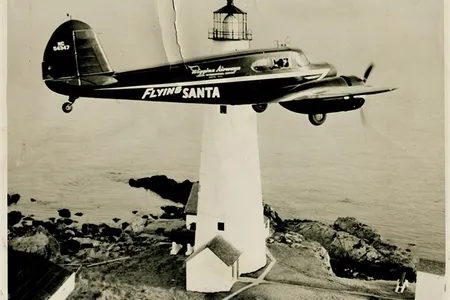
After 90 Years, the ‘Flying Santa’ Is Still Dropping Gifts From a Plane
In New England, a long-standing tradition continues with pilots delivering gifts to lighthouses and lifesaving stations
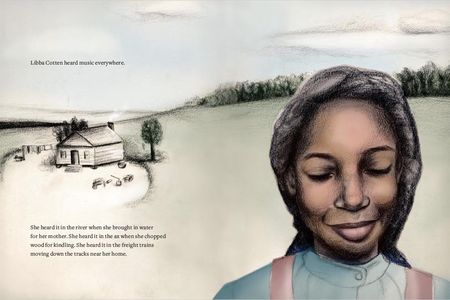
Hitting the High Notes: A Smithsonian Year of Music
The Magnificent Musical Life of the Upside-Down Guitar Player Libba Cotten
Musician and author Laura Veirs brings this musical icon back to the stage in her recent children’s book
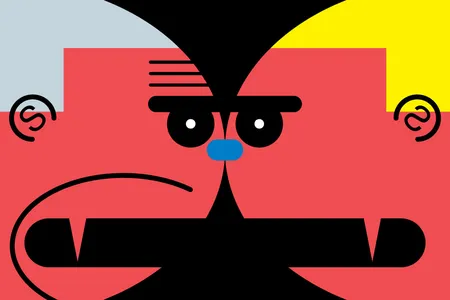
The Psychology Behind Generational Conflict
Older people have groused about younger people for millennia. Now we know why

Eighteen Things We’ve Learned About the Oceans in the Last Decade
In the past 10 years, the world’s oceans have faced new challenges, revealed new wonders, and provided a roadmap for future conservation
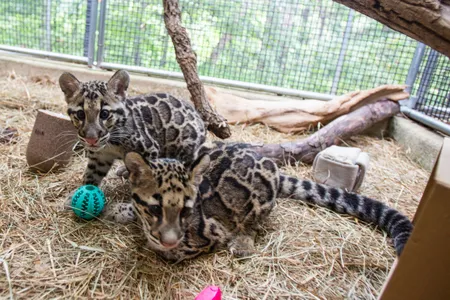
The Smithsonian’s Ten Splashiest New Acquisitions of 2019
This year marks the arrival of a brilliant diamond, a hybrid space rocket, exciting paintings and two darling clouded leopard cubs
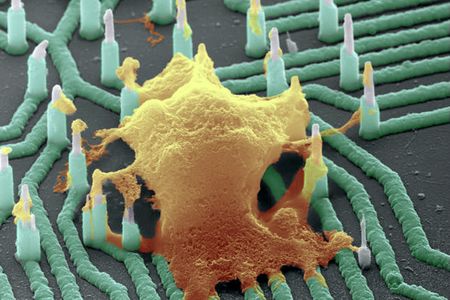
Miniature Brains Recently Sent Out Brain Waves for the First Time
The brain organoids, about the size of a pea, can be used to better understand neurological diseases
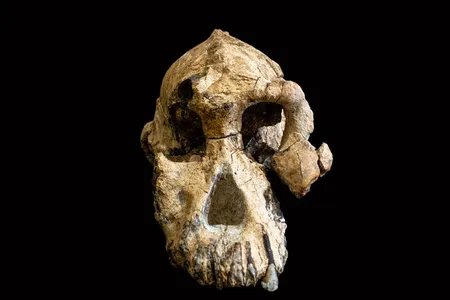
Here’s What 2019 Scientific Discovery Taught Us About Our Human Origins
Six studies rocked the anthropological world from a new branch of the human family to a face only an Australopithecus could love
Page 227 of 1285