
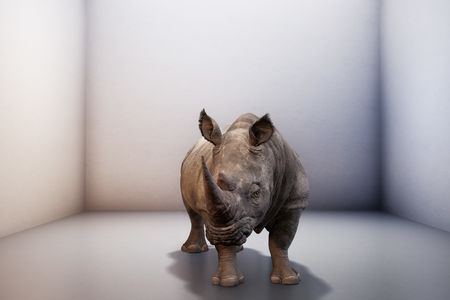
An artist’s 3-D recreation of the immense mammal probes the paradox of efforts to bring such animals back in the lab
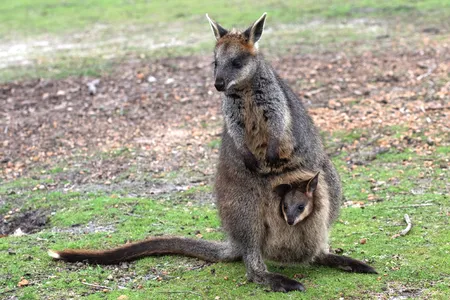
Swamp Wallabies Can Get Pregnant While Pregnant
These marsupials can conceive during the final days of an ongoing pregnancy, creating a “backup” embryo ready to take its predecessor’s place
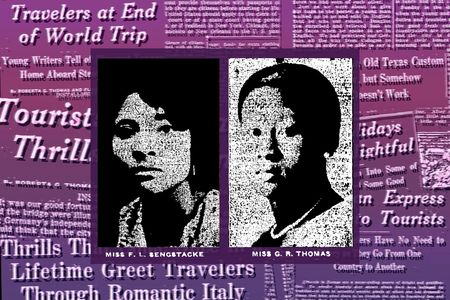
Experience 1930s Europe Through the Words of Two African American Women
In the pages of the “Chicago Defender,” the cousins detailed their adventures traversing the continent while also observing signs of the changing tides
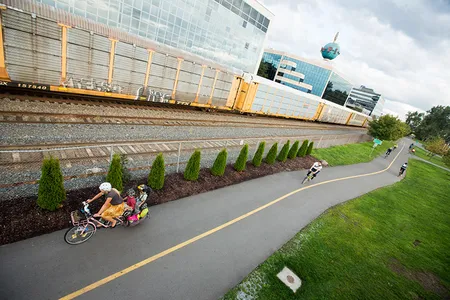
Can We Really Combat Climate Change by Consuming Less? Maybe.
In her new book, scientist Hope Jahren talks about the warming planet and what can be done to slow its effects
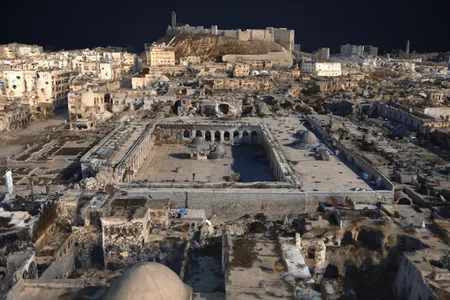
Take a Walk Through These War-Torn Ancient Cities
An immersive exhibition at the Arthur M. Sackler Gallery uses technology to reconstruct historically significant sites in Mosul, Aleppo and Palmyra

‘The Invisible Man’ Isn’t Real, but This Invisibility Technology Is
A new take on H.G. Wells’ classic novel is in theaters, but how far has real-life cloaking tech come?
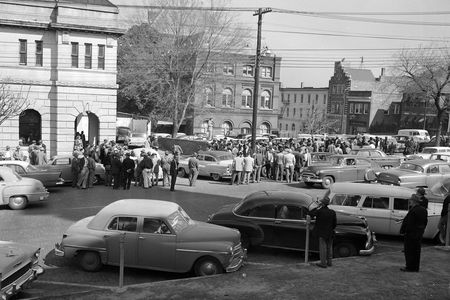
How Automobiles Helped Power the Civil Rights Movement
Montgomery bus boycotters had a secret weapon: cars
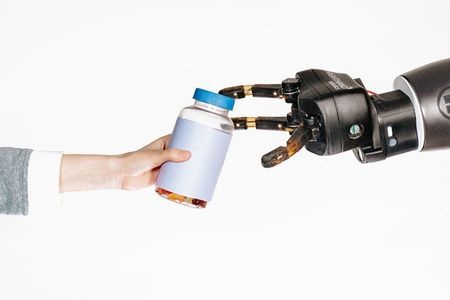
A New Study Finds People Prefer Robots That Explain Themselves
Engineers at UCLA explain how A.I. systems should be designed to both perform a task and win the trust of humans
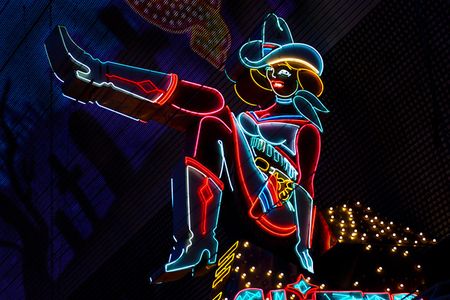
A Vibrant Tour of America’s Neon Signs
In his upcoming book ‘Neon Road Trip,’ photographer John Barnes captures a luminous part of advertising history
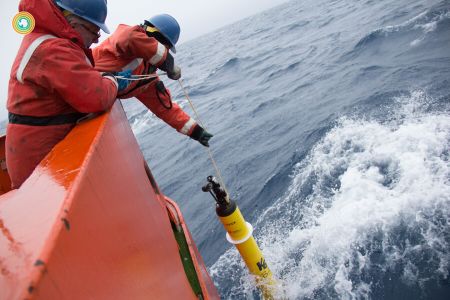
The World’s Best Natural Defense Against Climate Change May Soon Make Things Worse
As extreme weather rocks the Southern Ocean, a tumultuous mix of carbon dioxide, winds and warming waters could reach an environmental tipping point
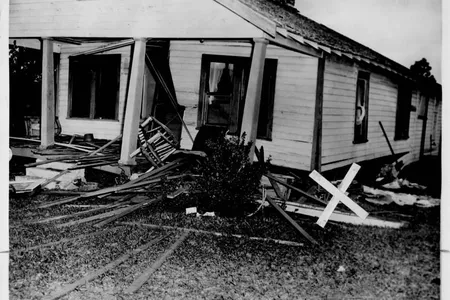
The Unsolved Murder of Civil Rights Activist Harry Moore
An organizer who campaigned for justice in 1940s Florida, Moore was among the first martyrs to the cause
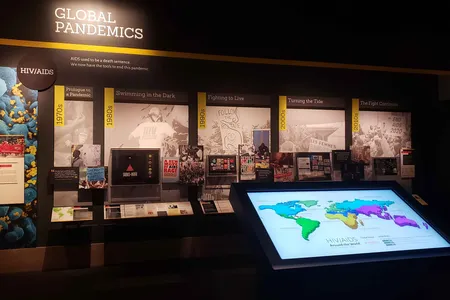
How Museums Can Help the Public Make Sense of Pandemics
We can’t let fear overrun science, says Sabrina Sholts, the Smithsonian’s curator of biological anthropology
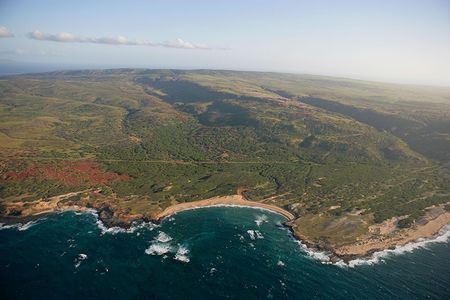
Hawai‘i’s Last Dunes Are Home to Species Found Nowhere Else on the Planet
A nature preserve on Moloka‘i reveals rare life forms—some ancient and others just newly established
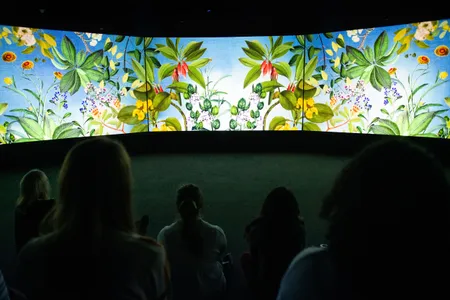
250 Years Ago, Joseph Banks Documented Australia’s Glorious Botanical Bounty
A film on view at the Natural History Museum showcases the diversity of flora and fauna at the time of European arrival
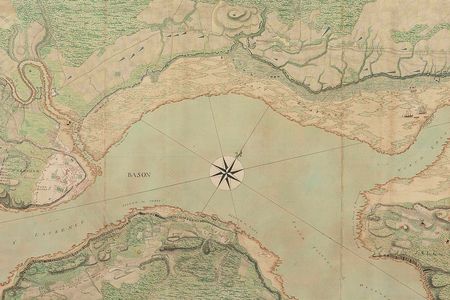
These Newly Digitized Military Maps Explore the World of George III
The last British monarch to reign over the American colonies had a collection of more than 55,000 maps, each with their own story to tell
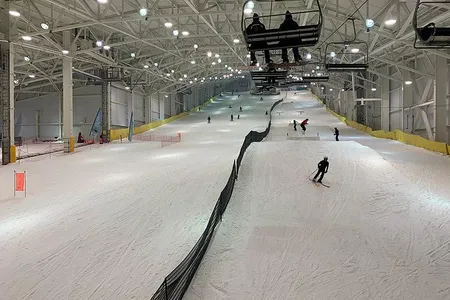
Eight of the World’s Coolest Indoor Snow Parks
When the ski slopes are melting, head to these climate-controlled resorts with predictable conditions
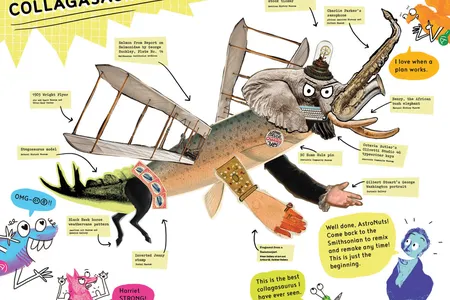
Smithsonian Releases 2.8 Million Images Into Public Domain
The launch of a new open access platform ushers in a new era of accessibility for the Institution
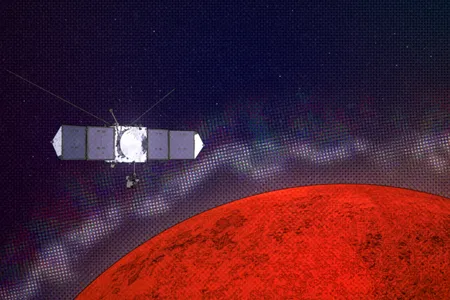
Ten Trends That Will Shape Science in the Decade Ahead
Medicine gets trippy, solar takes over, and humanity—finally, maybe—goes back to the moon
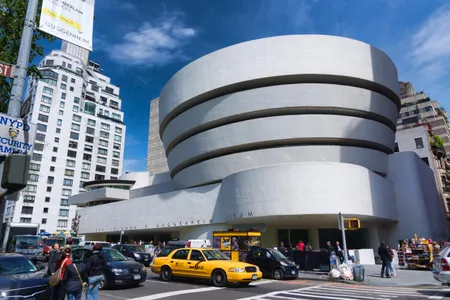
How New York Made Frank Lloyd Wright a Starchitect
The Wisconsin-born architect’s buildings helped turn the city he once called an ‘inglorious mantrap’ into the center of the world
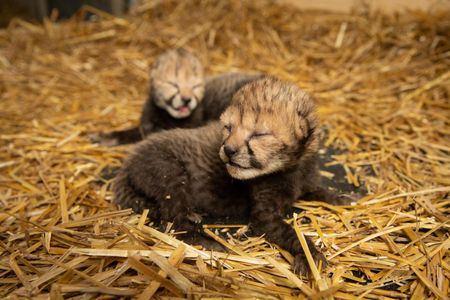
In a First, Cheetah Cubs Born Through Surrogacy at the Columbus Zoo
Zookeepers and Smithsonian scientists successfully transferred cheetah embryos, marking a major conservation milestone for the vulnerable species
Page 219 of 1285