Subscribe to Smithsonian magazine and get a FREE tote.

Air & Space Magazine

None

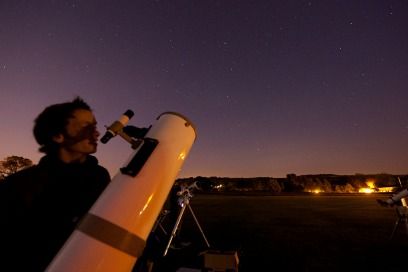
Gratitude for the Backyard Astronomer

An annual award recognizes amateurs for finding rocks in the sky
None

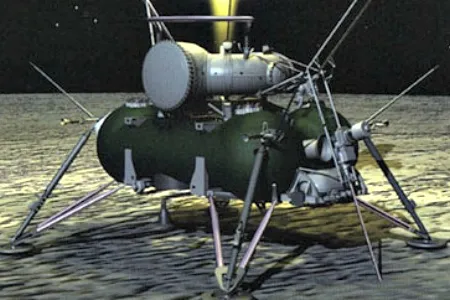
Geological sampling and planetary exploration

Samples from other worlds provide some key information on planetary evolution and history but are they the only way to obtain such knowledge?

None

Gecko Dust and Stars

An interstellar dust cloud and a star cluster stick out from the Milky Way background. 
None

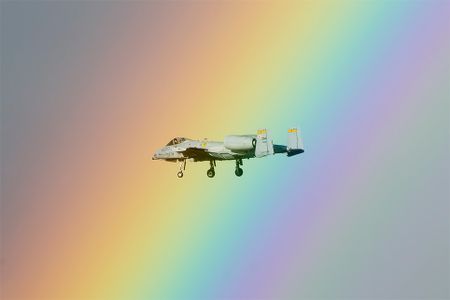
Rainbow’s End

An A-10C arrives to a colorful welcome in Arizona.

None

Hersman for DOT

NTSB Chair Deborah Hersman’s mix of intellectual curiosity and fearlessness make her a good choice for Transportation Secretary
None

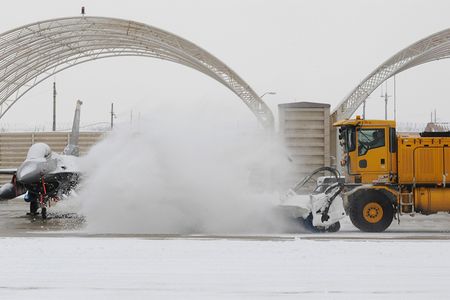
Piled Up

Airmen clear the way for an F-16.

None

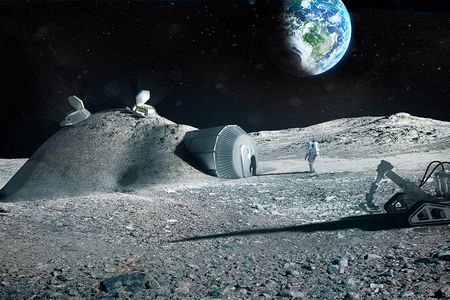
Printing out a Moonbase

The ESA is thinking about scooping up some lunar soil and hitting Command+P 
None

The Experiment, Part Two

Can someone with only flight simulator experience take off and land an airplane on the first try? I wanted to find out

Artist's conception of asteroid 2012 DA14 passing  through the Earth-moon system on Feb. 15, 2013.

“Vermin of the Skies”

The JPL scientist in charge of tracking incoming asteroids tells us if we should be worried.
None

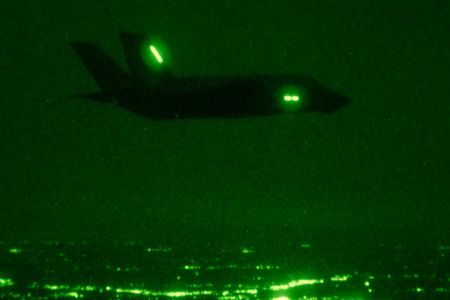
Lightning in the Sky

Spy this F-35C in the Maryland nighttime sky. 

An EA-6B Prowler launches from catapult three aboard the USS Enterprise.

Who Inspects the Navy’s Aircraft Carriers?

It takes a (uniformed) village

None

Make Your Own Moon

Can you “see” science?

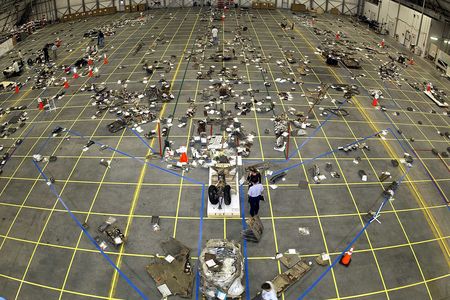
Debris from Columbia, arranged in place in a NASA hangar.

Reconstruction

After the Columbia accident, seeing the crew cabin of the destroyed shuttle was an emotional experience for many NASA astronauts
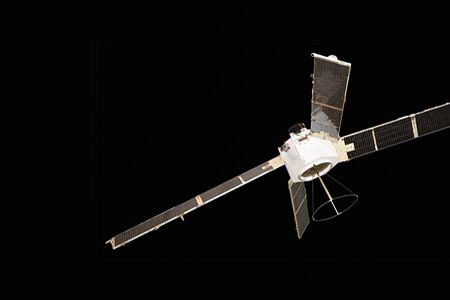
Johns Hopkins’ Applied Physics Lab gave the Museum at Transit 5 navigational satellite (shown here) to replace the Oscar 17 satellite that was formerly on display. The Transit 5 can be seen in the Museum’s new exhibition “Time and Navigation,” which opens in March.

A Tale of Two Satellites

An artifact returns to service after being on display for eight years.

Redwing aircraft comprised a B-52 (lead), B-66s (flanking), a B-47 (following), F-84s (flanking), and an F-101A (in trail).

Nuke the Pilot

Operation Redwing tested aircraft vulnerabilities to atomic blasts.
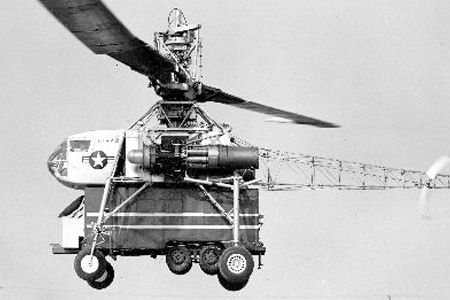
The tall landing gear struts theoretically enabled the XH-17 to carry Army tanks to remote sites, but low range and high fuel consumption grounded that mission.

The Flying Crane

Test pilot Gale Moore rose to the challenge of the XH-17.

The main gate of the Xichang launch center, after the accident. American visitors saw hundreds of people gathered here before the launch. Chinese officials claimed they were evacuated in time.

Disaster at Xichang

An eyewitness speaks publicly for the first time about history’s worst launch accident
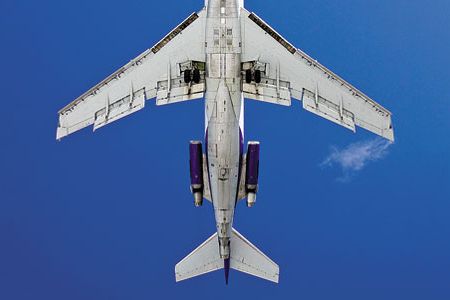
Once a best-selling airliner, the 727 now hauls cargo rather than passengers (a Federal Express 727 approaches a runway in 2009).

The 727 Turns Fifty

Once a best-seller, the airliner’s pilots still swear by it.
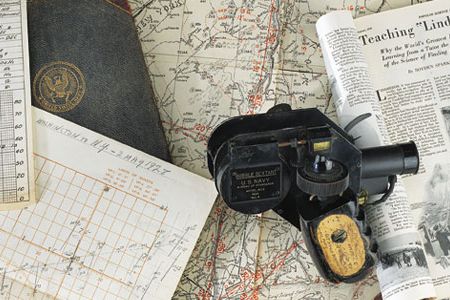
In May 1928, Navy Lieutenant Commander Philip V.H. Weems took Charles Lindbergh on a series of flights to teach him a new way to navigate. Clockwise from left: Lindbergh’s sun lines of position, plotted from Washington, D.C., to New York to Michigan; Weems’ personal log; the bubble sextant used in Lindbergh’s training; an article in Popular Science that documented the lessons; and Weems’ book on line of position.

In the 1920s, Only One Man Held the Key to Aerial Navigation

Even Lindbergh got lost.
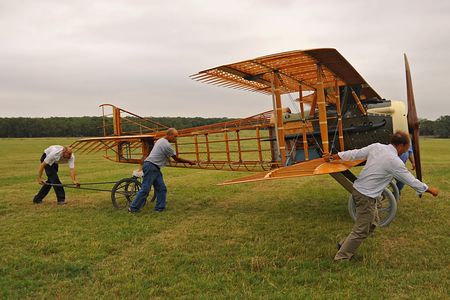
Javier Arango (right) helps escort a SPAD XIII, built by Roger Freeman of Vintage Aviation Services in Texas.

A World War I Aircraft Enthusiast’s Collection Tracks the Evolution of the Species

Javier Arango goes on a mission to find authenticity by reconstructing airplanes.

Page 147 of 320