

This Year Is the 100th Macy’s Thanksgiving Day Parade. Here’s How Its Iconic Parade Balloons Are Made and Flown
The Macy’s Thanksgiving Day Parade has been a holiday staple, and the balloons have been a part of it for nearly as long. We got the download on these helium-filled works of art that aren’t all that different from their hot-air cousins
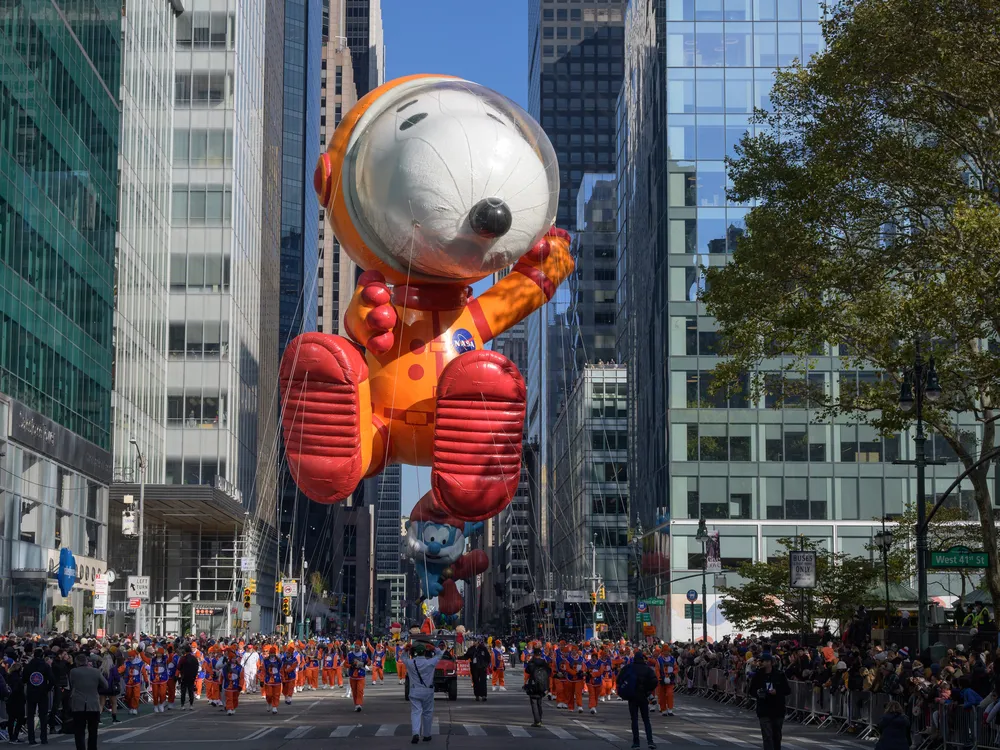
The 1st Annual Macy’s Christmas Parade, held on November 27, 1924, in New York City, looked very different from what we see today when we tune in on Thanksgiving morning. The lineup featured four floats, four bands, hundreds of Macy's employees and professional performers, and live animals from the Central Park Zoo.
In 1927, organizers introduced balloons into the parade, starting with animated silent film character Felix the Cat. They have been a holiday staple of the event, now called the Macy’s Thanksgiving Day Parade, ever since. “It’s one of those things that's just, I think a cultural touchstone, no matter where you live in this country,” said Matt Shindell, the National Air and Space Museum’s curator of planetary science and exploration and co-host of its AirSpace podcast.
From Screen to Larger—and Taller—Than Life
Parade balloons have featured recognizable characters since the beginning, but the balloons themselves haven’t always been recognizable.
“If you look back at a lot of our earlier characters in the parade, um, the image and likeness to those characters is not nearly as precise as we're able to get it now,” said Kathleen Wright in a 2023 episode of the Museum’s AirSpace podcast. Wright is the director of production operations for Macy’s Studios and oversees a lot of the operations and logistics of the Macy’s Thanksgiving Day Parade.
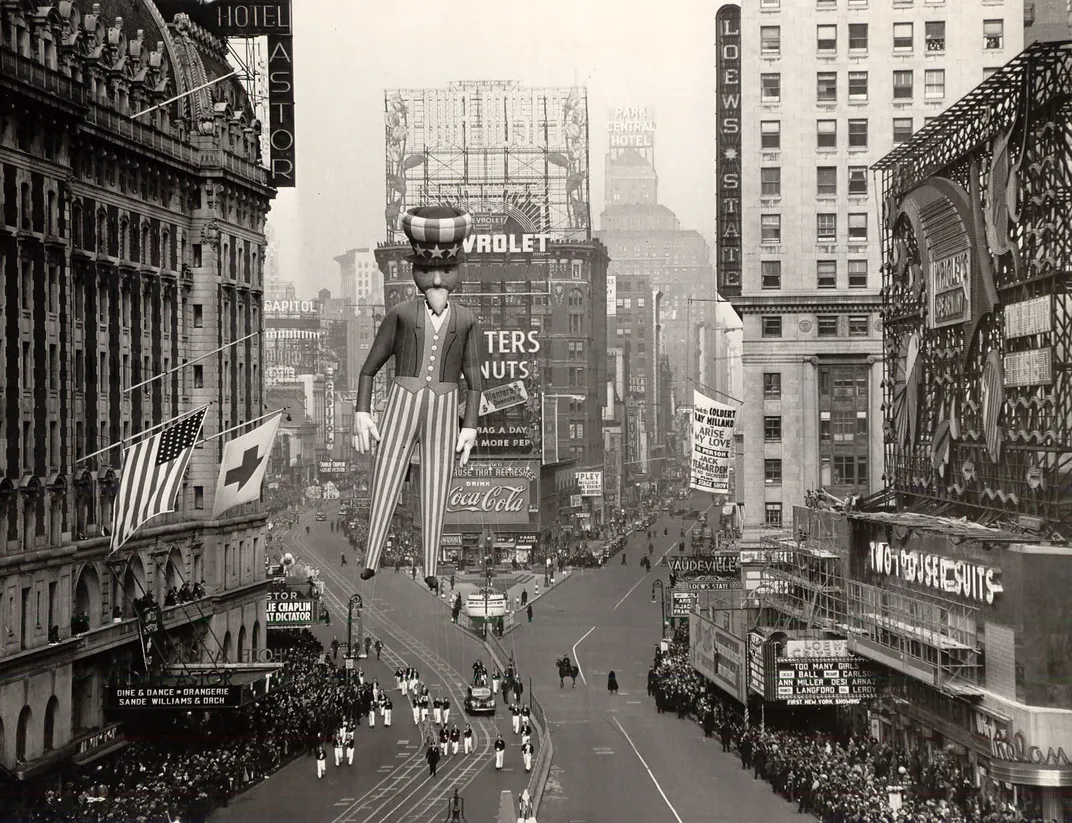
A lot has changed since the parade’s first balloons nearly 100 years ago. In the early days, employees didn’t deflate the balloons after the procession. Instead, they released the balloons into the air where they popped as they ascended. Later designers added valves to the balloons, which allowed helium to escape slowly at the end of the festivities. Whoever found a runaway balloon and returned it to Macy’s could claim store credit as their reward, though not all balloons made it back. However, in 1932, a stray parade balloon sent an airplane into a tailspin. This accident spelled the end of the practice of simply setting the balloons free.
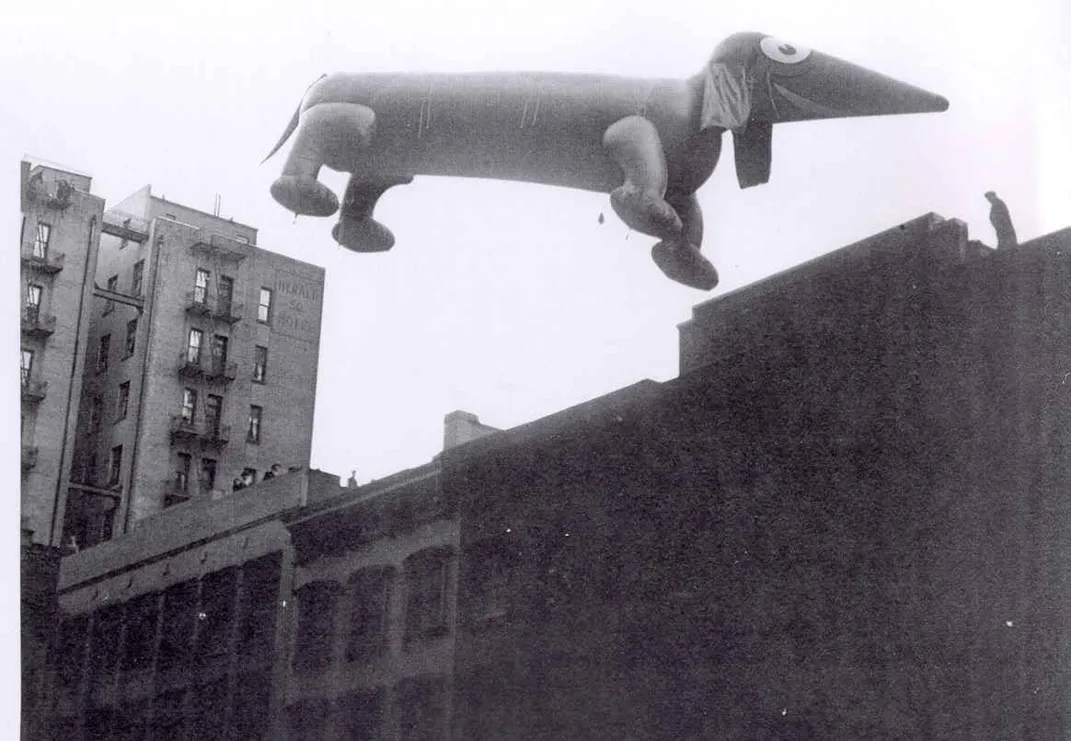
Classic hot air balloons were teardrop shaped and too simple to represent cartoon characters like Mickey Mouse, who joined the parade in 1934. As animation styles grew more detailed, so did Macy’s balloons. A lot more shapes and sizes were necessary to construct the massive, three-dimensional floating figures that audiences have come to expect.
“It's actually a series of balloons that are all attached to one another,” Wright. In what looks like one helium balloon, there might be up to eight or nine separate chambers, each of which is individually monitored. Some might be filled with colder, denser air while others are filled with more helium, so that they all work together to fly at the right pitch down the parade route.
These decisions are made in the design phase, before any fabric is even cut. Today, computer drafting and other modern techniques are key in turning on-screen characters into larger-than-life balloons. Initial sketches are adapted into 3D renderings that can then be tilted and adjusted into the most ideal flight position. After the design is reviewed and approved, the process is similar to making an article of clothing, according to Wright. Pieces of fabric are stretched over tables and then heat sealed together. On top of those pieces are gallons upon gallons of paint that ensure color correctness. Lastly, finished balloons are test-flown indoors and outdoors to prepare for the conditions of Thanksgiving Day.
A Team with Their Heads in the Clouds
All of Macy’s floats and balloons are built and refurbished in-house in a 72,000 square foot facility in New Jersey and inspected and licensed by the New York Department of Transportation. But the Thanksgiving Day Parade is not the only display of the team's months of hard work. Employees and lucky members of the press can attend Balloon Fest, a private event earlier in the month during which the final balloons are inflated and tested. Some are also invited to watch the inflation of the lineup, known as the Inflation Event, at 77th and 81st Streets on Thanksgiving Eve. The balloons then rest overnight before showtime the following morning.
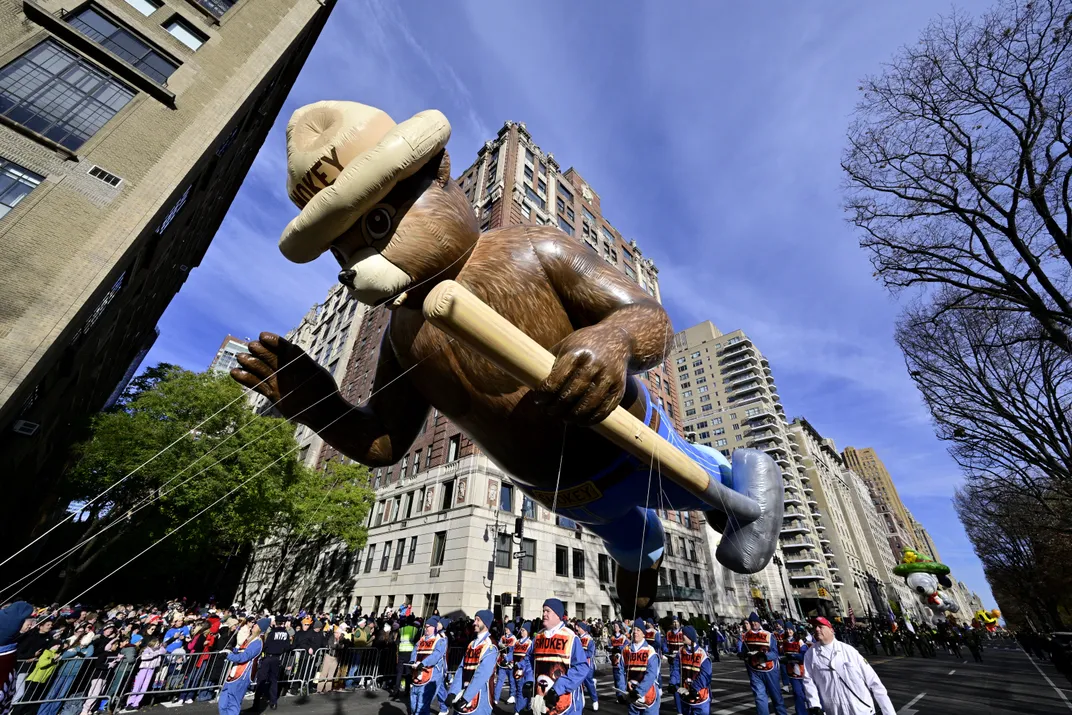
Once the work of planners, designers, engineers, and testers is complete, a sizeable management team steps in to support the balloons on parade day. About 90 balloon handlers—many of whom are volunteers—march each character balloon down its route. At the same time, the “flight management team” manages the nitty gritty details, from the height of the balloon to the tension on balloon handlers’ lines.
Macy's work-of-art balloons have enchanted audiences for 100 years, but it is these workers and volunteers who pull the strings that continue bringing the Annual Macy’s Thanksgiving Day Parade to the streets and to the screen.