
Stories from Soumya Sagar
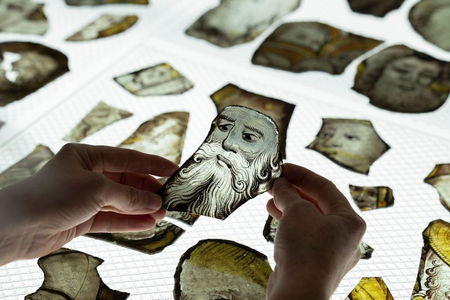
First shattered during the Reformation, the 15th-century stained glass is rife with religious imagery, comical animal scenes and even portraits of the original donors who funded its construction
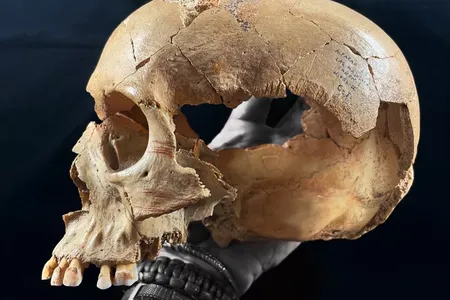
More than five decades after hordes of prehistoric bones were unearthed from three caves in Granada, new forensic techniques show how communities continued to consume their dead across distinct cultural eras

A comprehensive investigation of the sandstone megalith’s “geological fingerprint” suggests it did not originate in northeast Scotland, as a surprising study concluded in 2024, sending scientists back into the field to track down the enigmatic slab’s origins
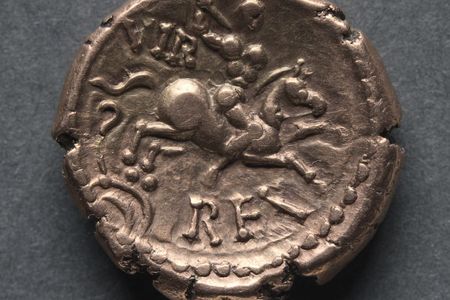
Was the British King Who Urged the Romans to Invade Actually a Queen? One Archaeologist Thinks So
Linguistic clues and ancient coins could suggest that Verica—a ruler who fled Britain and convinced Roman Emperor Claudius to launch an invasion across the English Channel—has been misgendered for centuries
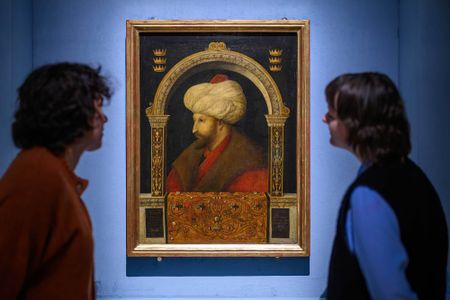
“Constantinople to Istanbul: One City, Two Empires” at London’s Victoria and Albert Museum tracks the storied city’s evolution from a 4th-century capital to a bustling 19th-century metropolis—hippodromes, bathhouses and all
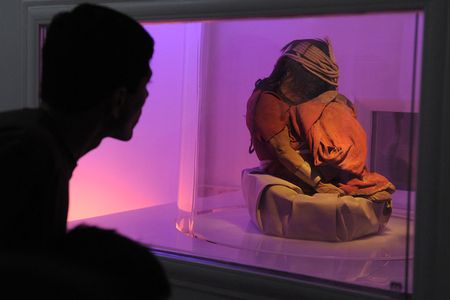
Five centuries after children were sacrificed on volcanic peaks in the Andes, chemical clues preserved in their hair and fingernails show how the empire used intoxicating blends to soothe the children during their final months

A new exhibition in Germany traces how the low-slung breed captured the imaginations of artistic heavyweights like Pablo Picasso, Andy Warhol and David Hockney. The museum even lets well-behaved pups tour the galleries
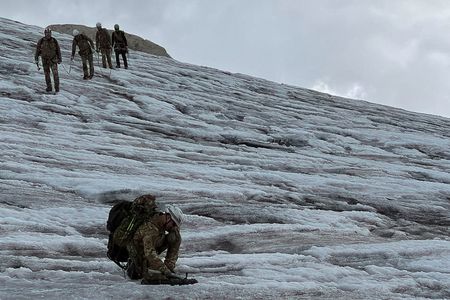
Following low snowfall and record-breaking summer heat, the Italian Army is hunting for unexploded shells and bombs. “When they re-emerge, they are very, very dangerous,” one expert warns
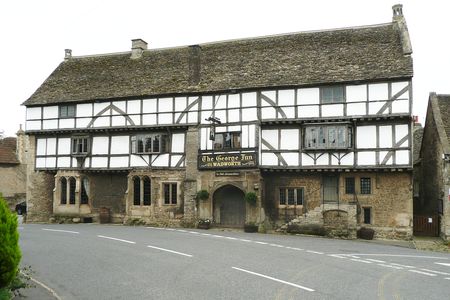
Tree-ring dating shows that a historic tavern in Somerset has been continually operating as an inn since the 1430s, when local monks built it to lodge wool merchants
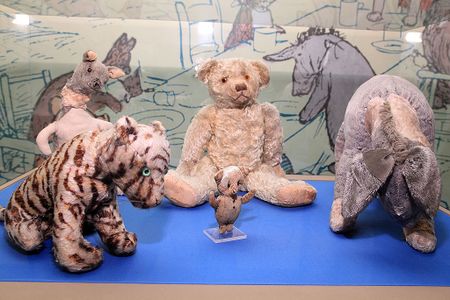
A century after A.A. Milne first published his classic children’s tales, British admirers and royal emissaries have made a polite push to bring Christopher Robin’s original toys back home, if only for a royal vacation
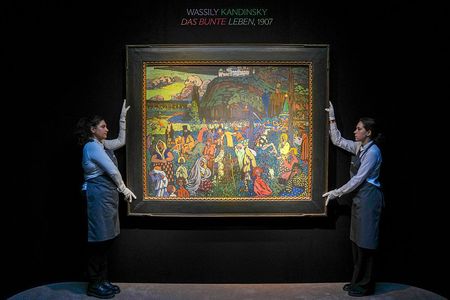
“Das bunte Leben,” the Russian artist’s dreamlike panorama, bridges folklore and early modernism. The sale follows a 2023 ruling concluding that the work was seized from its rightful Dutch Jewish owners

A Fire Ravaged the ‘Eagle’s Nest,’ an Alpine Retreat Built for Top Nazis. What Happens Next?
Police have detained a 33-year-old German citizen in connection with the blaze, which gutted the infamous historic building. In recent years, the mountaintop guesthouse hosted a restaurant, beer garden and exhibit about the site’s dark past

The observations offer rare evidence of a skill being passed among raccoons. But the work also highlights the effects of human pollution at the popular tourist destination

GLP-1 Weight-Loss Drugs Can Slow Aging and Extend Life Span, Mouse Study Suggests
Older female mice—equivalent in age to 60-year-old women—given daily injections of the active ingredient in Ozempic lived about 12 percent longer than animals that didn’t receive the drug

Scientists long attributed rain damage to physical abrasion and chemical degradation from acidic substances. A new study offers a third idea, which could help researchers develop longer-lasting coatings and preserve important objects

From the magnificent mountains of New England to the desert landscape of northern New Mexico, the tools can help you make the most of nature’s upcoming wardrobe change

For roughly a decade leading up to September 1953, the United Kingdom limited sugar purchases. Scientists studied health outcomes in people born during the ration and right after
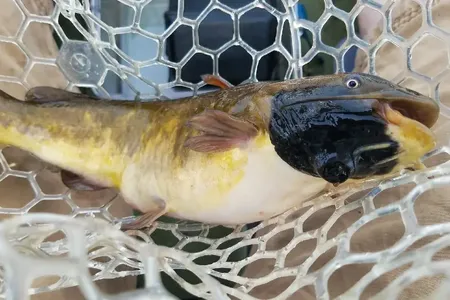
A Strange, Never-Before-Seen Cancer Seems to Be Spreading Among Catfish in a New England Lake
More than a decade ago, fishers and biologists noticed jet-black tumors on the skin of brown bullhead catfish in Lake Memphremagog. Genetic testing hints that they are caused by the first contagious cancer ever documented in fish

Last fall, scientists reported the first known recordings of greater noctule bats hunting and feasting on songbirds during night flights. But a 17th-century artwork by Jan Brueghel the Elder seems to depict the species flying with feathered prey in its mouth

The human-made cells show many hallmarks of life, but they can’t make all their necessary internal structures or divide for very many generations
Page 1 of 2