
Stories from Margherita Bassi
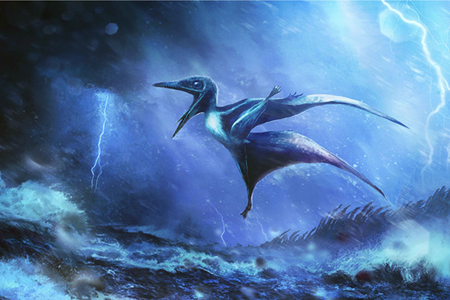
A 150-million-year-old fossil hotspot in southern Germany yields an astounding number of well-preserved juvenile pterosaurs, and scientists wondered why it contained fewer adults

Glacial Melting in Alaska Has Created a New Island
Alsek Glacier disconnected from a mountain called Prow Knob sometime this past summer, making way for Alsek Lake to surround the landmass

Using uranium-lead dating, researchers calculated the age of the eggs, rather than the sediments around them, at the Qinglongshan site in China
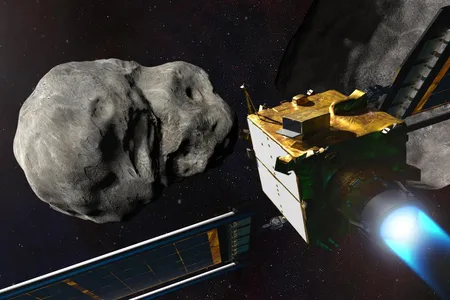
NASA’s DART mission proved we are able to change an asteroid’s path by smashing a spacecraft into it, but exactly where we hit a rocky body is important
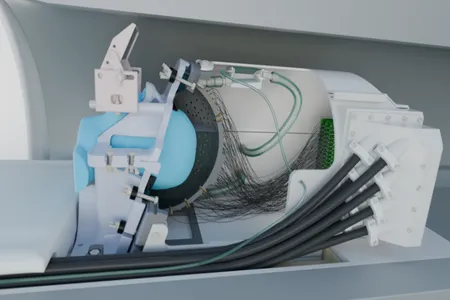
In a first-of-its-kind achievement, researchers non-invasively and precisely directed ultrasound beams to target a location deep within the brain
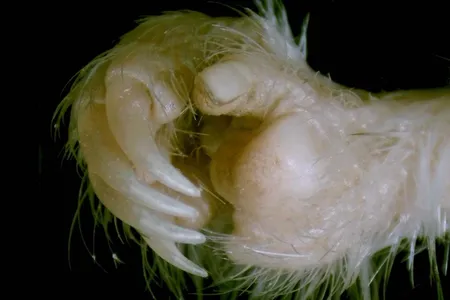
Rodents Conquered the World With the Help of Their Thumbnails, Study Suggests
The trait might have given rodents greater manual dexterity, allowing them to access new foods, such as nuts
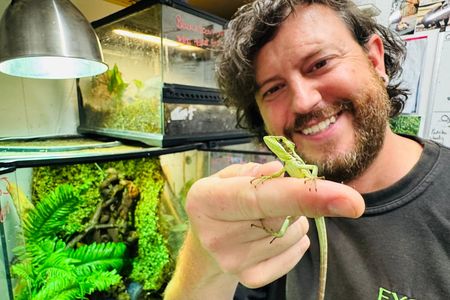
‘Once in a Lifetime’: Rare ‘Virgin Birth’ of Eight Iguana Babies Surprises Zookeepers in England
A female casque-headed iguana produced live hatchlings even though she has never shared an enclosure with a male
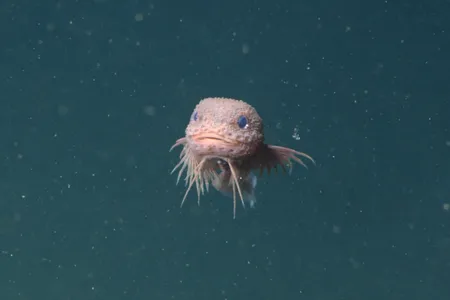
Biologists Discover Surprisingly Cute Deep-Sea Fish Species Off the Coast of California
Meet the bumpy snailfish—described by scientists as “adorable”—as well as the dark snailfish and sleek snailfish, all of which thrive thousands of feet below the surface of the Pacific Ocean
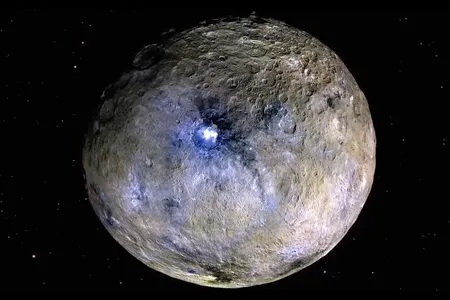
Though no direct evidence of life has been found, models suggest Ceres had hot water shooting into its underground oceans billions of years ago, offering potentially hospitable conditions
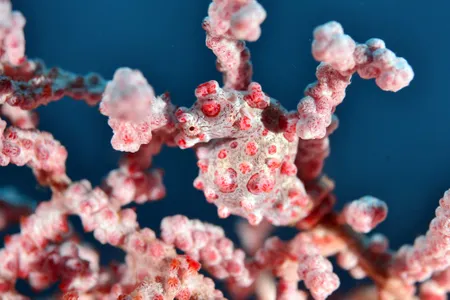
Bargibant’s pygmy seahorses look almost exactly like the gorgonian corals they live in, thanks in part to their unusually stubby snouts
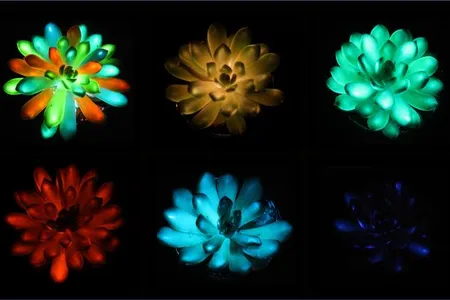
Researchers Create Rechargeable, Glow-in-the-Dark Succulents
The team hopes their work, which is still in the early phases, might one day build the foundation for a novel sustainable lighting system

This Is What Our Thumbs Say About Our Brains, in a Pattern That Holds True for Other Primates
Researchers have found a link between long thumbs and big brains, suggesting the two features evolved together
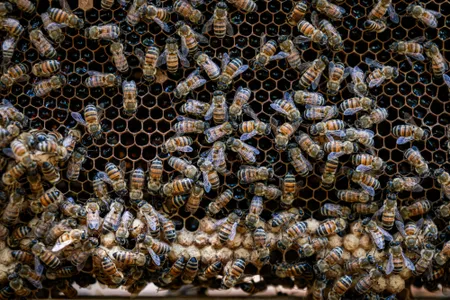
Researchers Develop a ‘Superfood’ for Honeybees to Fight the Drastic Decline of Their Colonies
Bees fed an enriched yeast supplement saw 15 times more of their larvae reach the developmental stage right before adulthood, according to a new study
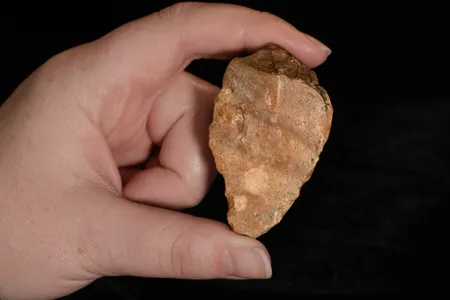
The toolmakers or their ancestors might have arrived on Sulawesi by clinging to vegetation during a storm, but their identities remain a mystery
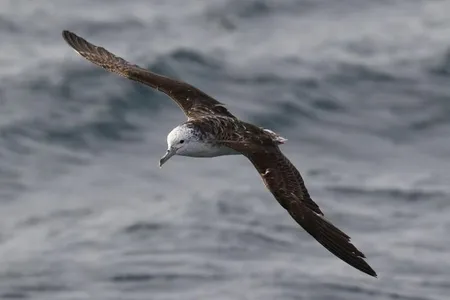
Video Footage Accidentally Reveals the Strange Pooping Behavior of These Large Seabirds
Researchers set out to investigate how streaked shearwaters take off and instead were surprised to discover that the birds poop very frequently and regularly, which could play a role in marine ecology
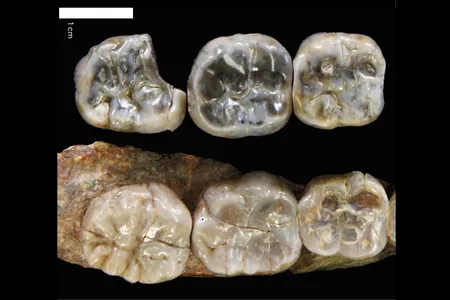
Researchers Discover Fossilized Teeth That May Have Come From an Unknown Hominin Species
The find suggests that as many as four different hominin lineages lived in eastern Africa between 2.5 million and 3 million years ago
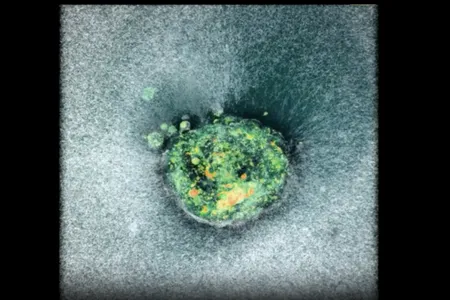
A new study shows how human embryos reshape their environment by pulling on uterine tissue

Fifteen large prints were probably left behind by meat-eating dinosaurs, and they were revealed as floodwaters washed away dirt in early July
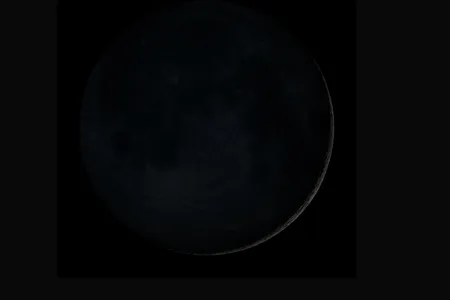
A seasonal black moon, to appear on August 22 or 23, is the third of four new moons within an astronomical season
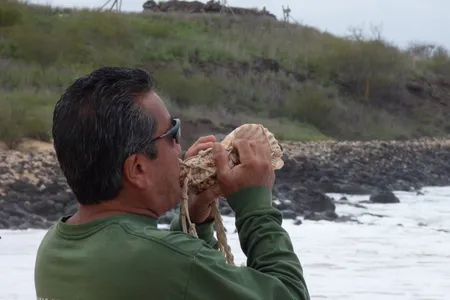
Suffering From Sleep Apnea? Try Blowing Into a Conch Shell Almost Daily, New Study Suggests
Researchers say the practice might provide a simpler and low-cost alternative to the standard treatment for obstructive sleep apnea, though trials with more participants are needed
Page 14 of 27