
Stories from Margherita Bassi
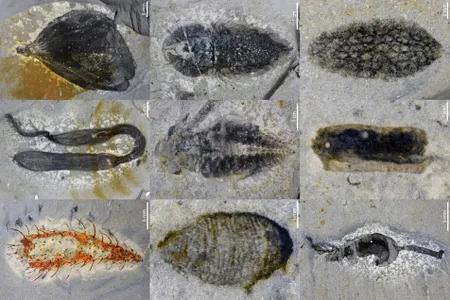
Paleontologists have identified thousands of animal species that lived soon after the Cambrian explosion ended
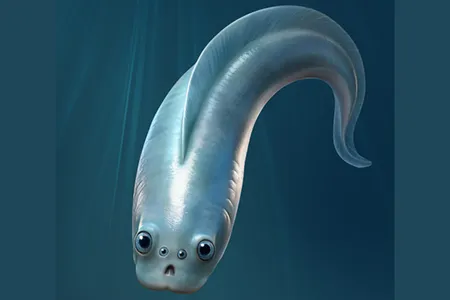
Two of those eyes may have evolved into a part of the brain called the pineal gland

How Do Menopause and a Treatment to Manage Its Symptoms Affect the Brain and Mental Health?
New research suggests an association between menopause and anxiety, depression and shrinkage in certain brain regions—which hormone replacement therapy might not mitigate
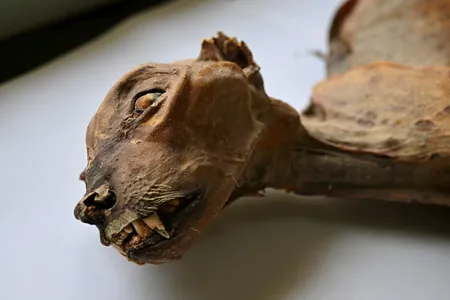
Researchers thought that just one subspecies of cheetah lived in Saudi Arabia long ago. But an unexpected discovery seems to broaden the gene pool
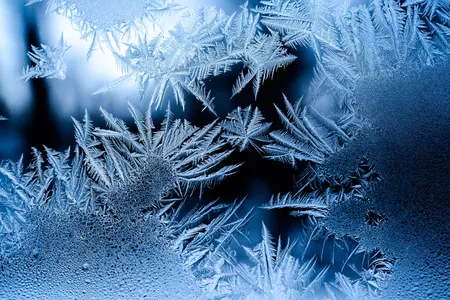
Researchers Discover a New Phase of Ice by Squeezing Water Between Diamonds
The new form, called Ice XXI, appeared at room temperature in the lab, and it may have a similar density to ice on distant moons in our solar system
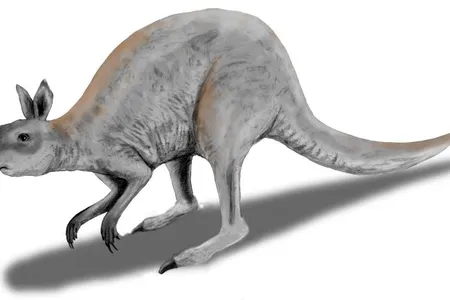
Giant Kangaroos That Lived During the Ice Age May Have Hopped—Despite Weighing Up to 550 Pounds
The extinct animals may have bounced from scary situations, such as coming face to face with hungry predators

Positive Thinking Might Boost Your Immune System’s Responses to Vaccines, New Research Suggests
Researchers found an association between increased activity in a reward region of the brain—primarily stimulated by hopeful thinking—and heightened levels of protective antibodies after receiving a vaccine
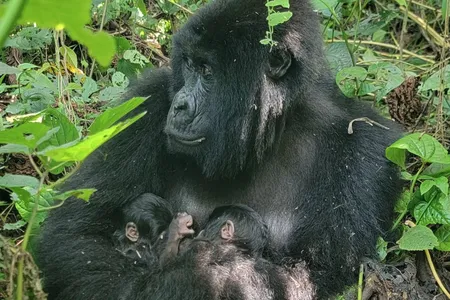
While the birth is sparking joy, infant mountain gorillas are vulnerable, and twins can be twice as hard for a mother to take care of
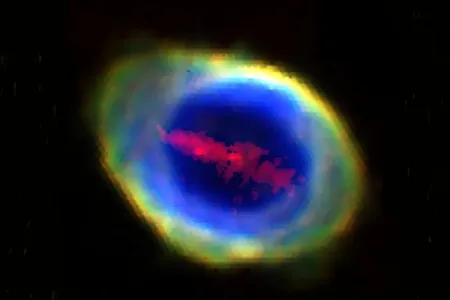
Astronomers Discover a Mysterious Bar-Shaped Cloud of Iron Within the Iconic Ring Nebula
Humans have been eyeing the colorful Ring Nebula for nearly 250 years, but testing out a new telescope tool led to the perplexing finding
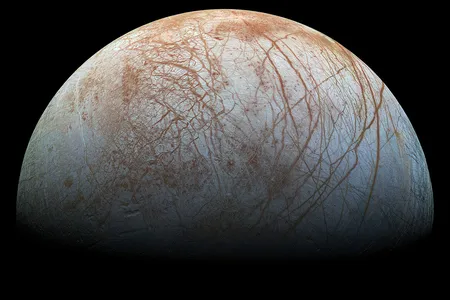
On Earth, deep-sea vents may have given rise to the planet’s first life. But nothing of the sort seems to be happening at the bottom of Europa’s ocean, a study suggests
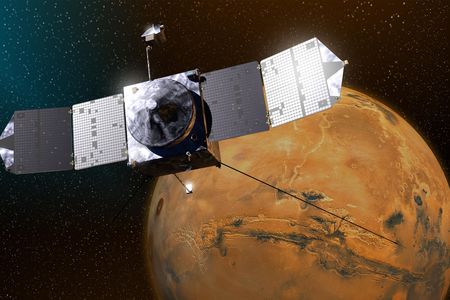
Scientists haven’t heard from the MAVEN orbiter since December 6. It had been studying the Martian atmosphere for over a decade
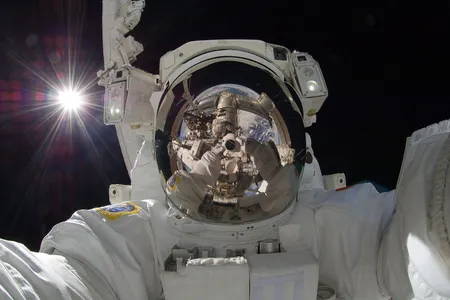
Spaceflight Temporarily Changes the Position and Shape of Astronauts’ Brains, MRI Data Suggests
The biggest changes happen in brain regions involved with processing sensory information and coordinating movement, according to a new study
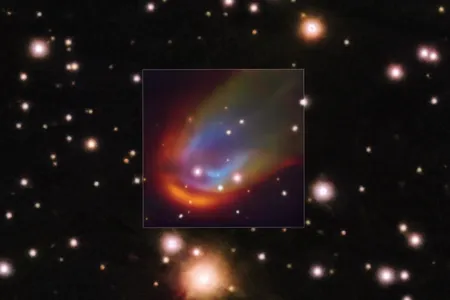
The stellar corpse is spewing star stuff, which is heating and compressing surrounding gas, resulting in a multicolored display. But it’s missing a component thought to be necessary for this phenomenon

Two studies tracked more than 100,000 participants over 14 years to reveal the trends. But they can’t confirm a direct link between eating these preservatives and developing disease, especially because some of the additives were eaten in foods that contain known carcinogens
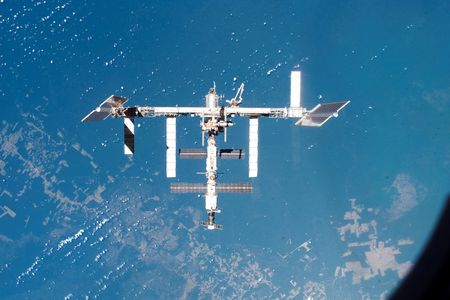
The unnamed crew member is in stable condition after an undisclosed incident on Wednesday, but the agency is bringing them back to Earth for medical testing
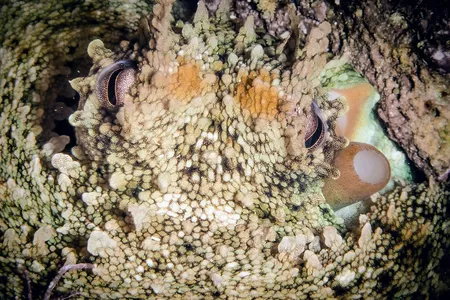
Inspired by Octopus Skin, This Synthetic Material Can Change Color and Texture on Demand
The animals’ camouflaging capabilities have long inspired humans. The new material could one day help researchers improve robotics or electronic screens
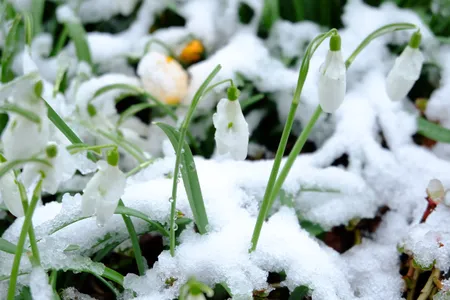
Citizen scientists in the British Isles documented more than 300 native plant species blooming in early 2025, a phenomenon likely caused by climate change
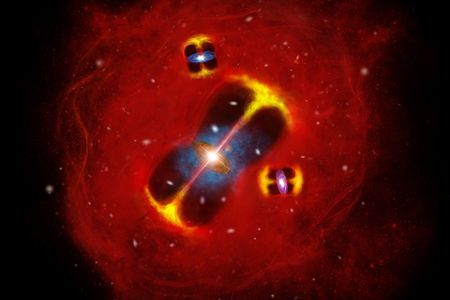
This Early-Universe Cluster of Galaxies Is Way Hotter Than It Should Be
Gas within the cluster, which existed merely 1.4 billion years after the Big Bang, is at least five times hotter than computer simulations predict it should be, a study suggests
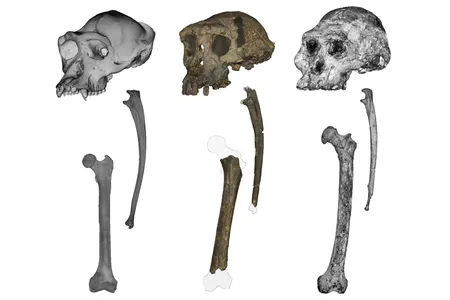
Fresh findings about arm and leg bones advance the debate over whether Sahelanthropus tchadensis was bipedal, but not everyone is convinced
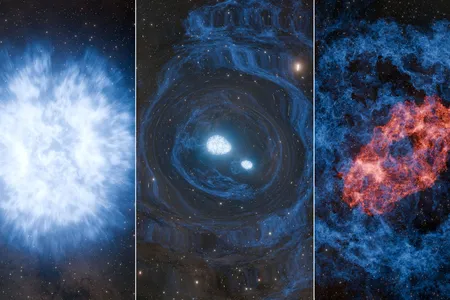
In a First, Astronomers May Have Witnessed a Rare Double Explosion of a Star Called a Superkilonova
A massive star may have burst, leaving behind two dense, dead cores, which then collided and caused another explosion
Page 10 of 27