
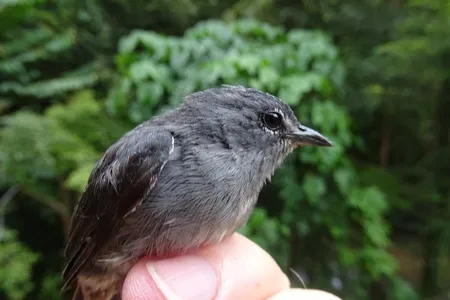
The Spectacled Flowerpecker Is Now Known to Science
First spotted a decade ago, this elusive bird hangs out in the canopy of Borneo’s lowland forests
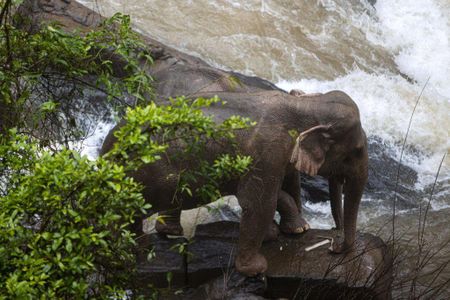
Six Elephants Die After Plummeting Down a Waterfall in Thailand
It is believed that five adults lost their lives while trying to save a calf
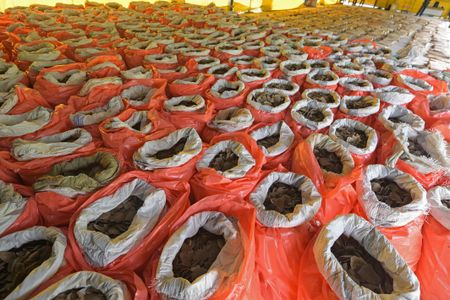
New Report Finds at Least One in Five Terrestrial Vertebrate Species Are Traded Globally
The research team also predicts increased trade going forward
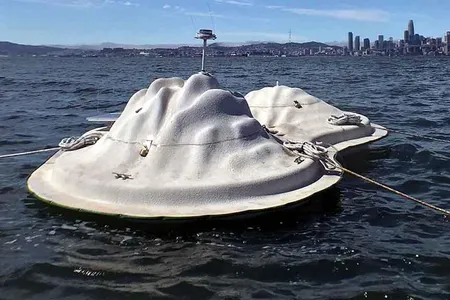
Designing Floating Buildings With an Eye to the Marine Species Living Underneath
A prototype deployed in San Francisco Bay imagines the underside of a floating building as an upside-down artificial reef
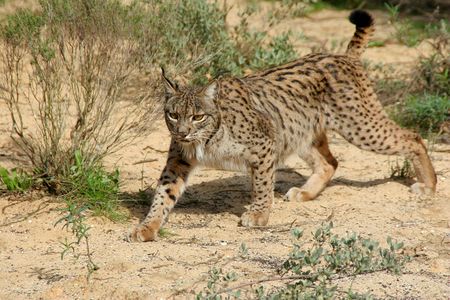
How the Iberian Lynx Bounced Back From the Brink of Extinction
Two decades ago, fewer than 100 Iberian lynx remained, but thanks to captive breeding and habitat management, the population is recovering
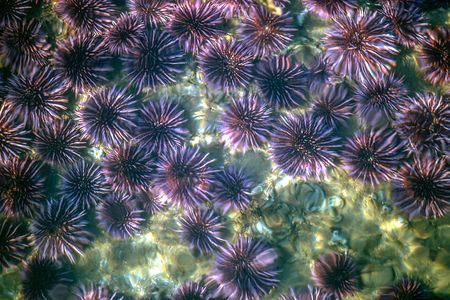
Could Eating Sea Urchins Help Revive Kelp Forests?
A Norwegian ‘urchin ranching’ company wants to take the echinoderms from the wild, fatten them up and sell them to restaurants
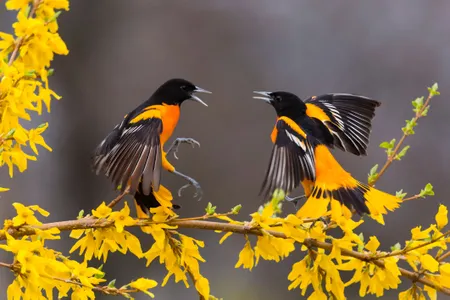
North America Has Lost Nearly 3 Billion Birds Since 1970
The staggering population loss of 29 percent of North American birds could signal an ecological crisis
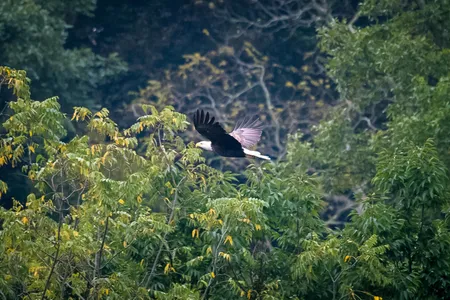
Trump Administration Overhauls How the Endangered Species Act Is Enforced
Critics say that the new rules limit much-needed protections for at-risk wildlife
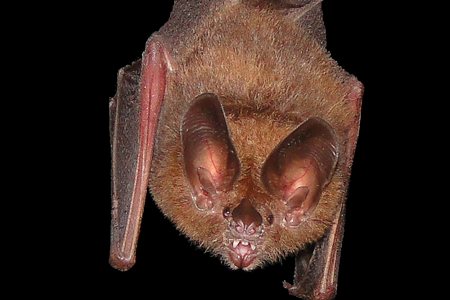
Bats Use Leaves as Mirrors to Locate and Catch Their Prey
The latest discovery in the arms race between bats and insects reveals that even silent, motionless dragonflies aren’t safe
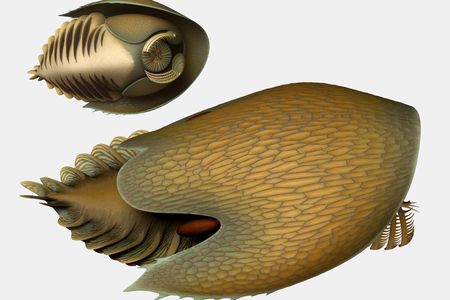
Prehistoric Ocean Predator Resembles a Large and Vicious Horseshoe Crab
“Prey would have been sucked into the circular mouth and shredded by the multiple rows of large teeth”
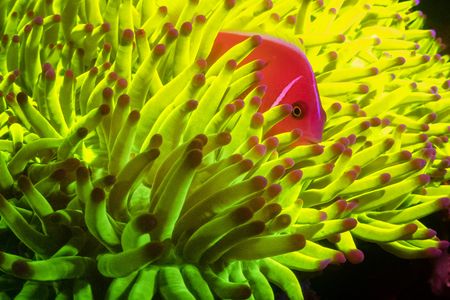
Amazing Photos Reveal the Hidden Light of Undersea Life
Photographer Louise Murray dips into the dark ocean to capture the spectacle of marine fluorescence
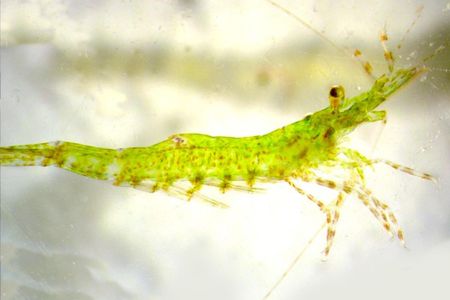
Chemicals in microalgae are crucial for these bright green shrimp’s sexual development, but ocean acidification could change that
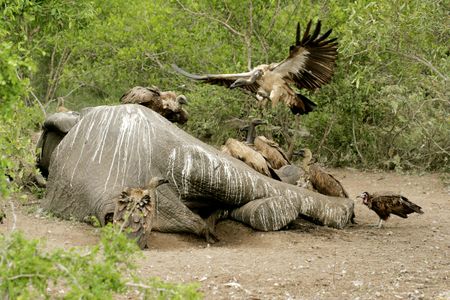
Poachers’ Poison Kills 530 Endangered Vultures in Botswana
Circling vultures bring attention to poachers, so the scavengers were likely poisoned by illegal hunters hoping to evade detection
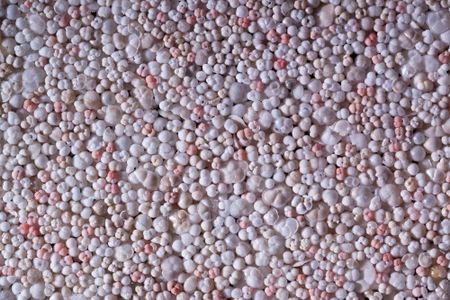
Plankton Haven’t Been the Same Since the Industrial Revolution
Changes in plankton populations over the past centuries correlate with rising sea temperatures
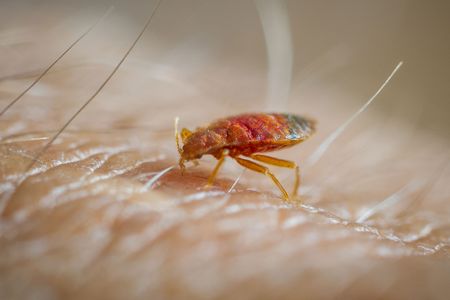
Bedbugs Scurried the Earth Alongside the Dinosaurs 100 Million Years Ago
Researchers calculate that the pests evolved long before bats, which were thought to be their first hosts
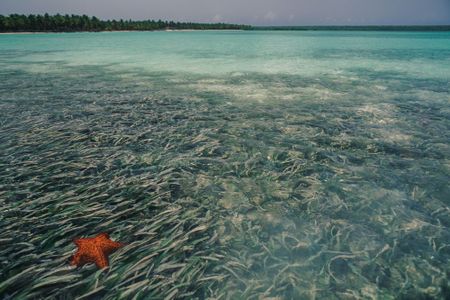
A global assessment compiled by hundreds of scientists found that humans are inflicting staggering damage on the world’s biodiversity
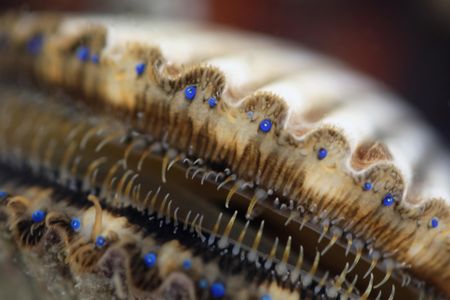
What Scallops’ Many Eyes Can Teach Us About the Evolution of Vision
Scallop eyes, which function similar to telescopes, are even more complex than scientists previously knew
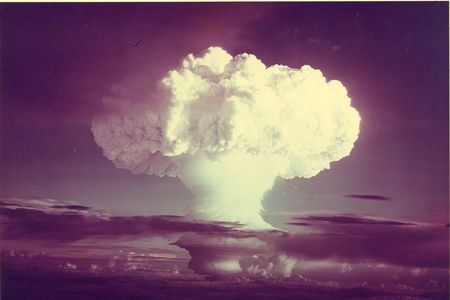
Particles From Cold War Nuclear Bomb Tests Found in Deepest Parts of the Ocean
Crustaceans in the Mariana Trench and other underwater canyons feed on food from the surface laced with carbon-14 from Cold War bomb tests
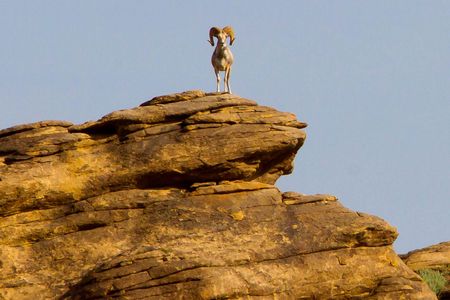
The Decades-Long Effort to Protect the World’s Largest Sheep
In the Gobi Desert, where argali roam, a group of Mongolian researchers work to conserve the wild sheep populations
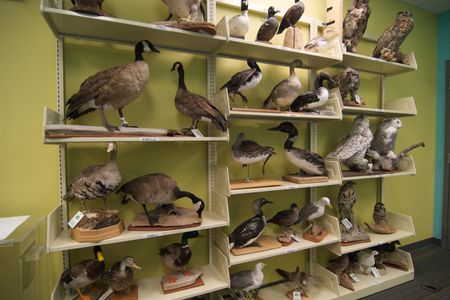
This Library in Anchorage Lends Out Taxidermic Specimens
All you need to check out a snowy owl or a mounted rockfish is a library card
Page 61 of 64