
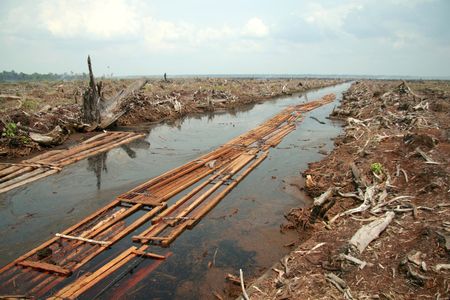
To Prevent Future Pandemics, Protect Nature
All six of the most recent pandemics have been linked to destructive human activities like deforestation, climate change and the wildlife trade
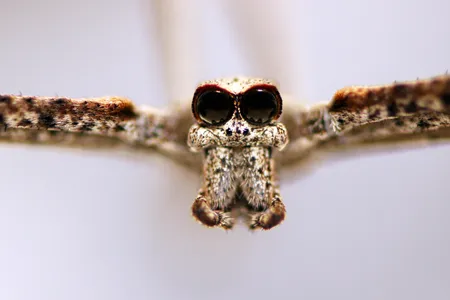
How Ultra-Sensitive Hearing Allows Spiders to Cast a Net on Unsuspecting Prey
Sounds trigger the ogre-faced spider to backflip and shoot a silk trap on other insects
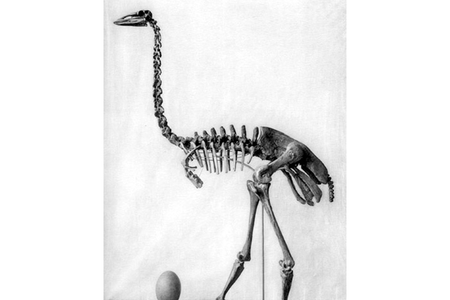
Droughts and Human Interference Wiped Out Madagascar’s Gigantic Wildlife 1,500 Years Ago
The species had survived droughts before, but human interference was the final nail in the mega-sized coffin
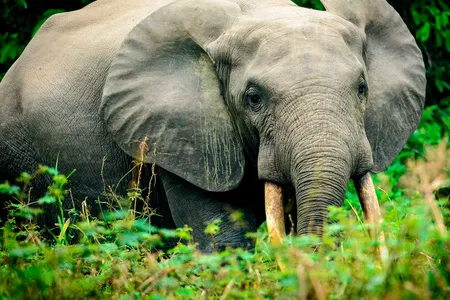
How Humans Benefit From a Highway of Trails Created by African Forest Elephants
The paths the pachyderms make aid plants, other animals, and local people—whose way of life is threatened by the species’ decline
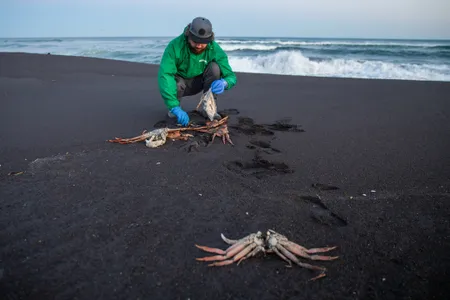
Hundreds of Dead Animals Wash Ashore on Russian Beach After Reports of Mysterious, Toxic Sludge
Investigations are still underway, but experts theorize that leaked hazardous materials from military bases are to blame
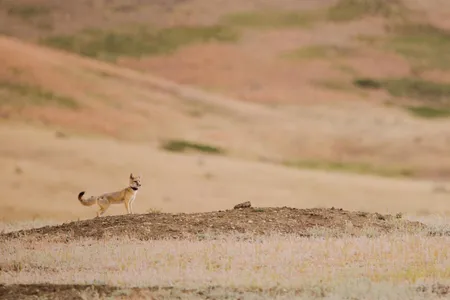
Tribes Reintroduce Swift Fox to Northern Montana’s Fort Belknap Reservation
After absence of more than 50 years, the pint-sized predator returns to the prairie
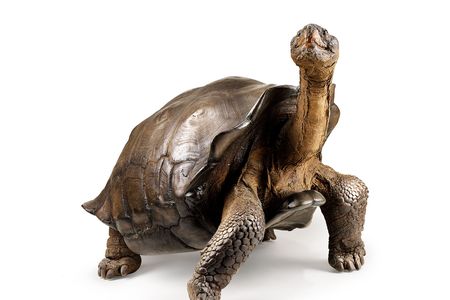
How an Expedition to the Galápagos Islands Saved One of the World’s Largest Natural History Museums
A soon-to-be digitized and publicly accessible collection of specimens helped resurrect the California Academy of Sciences
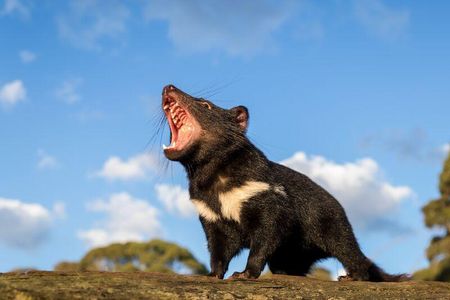
For the First Time in 3,000 Years, Tasmanian Devils Return to Mainland Australia
The marsupial carnivores will roam the outback once again
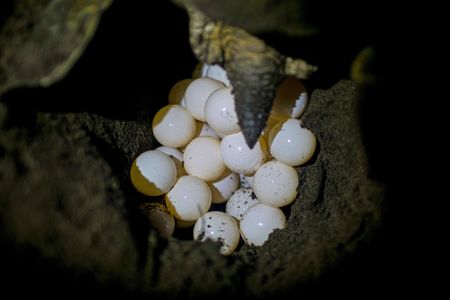
3-D Printed Sea Turtle Eggs Reveal Poaching Routes
Scientists put GPS locators inside plastic eggs to find trafficking destinations in Costa Rica
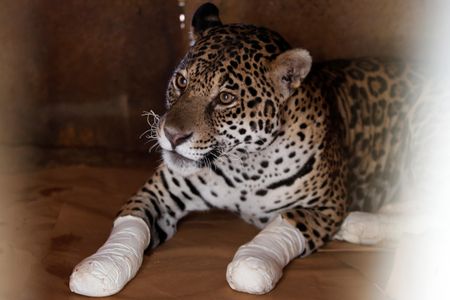
Wildlife Suffers as Brazil’s Pantanal Wetland Burns
Fires in the world’s largest tropical wetland have burned an area double that of California’s unprecedented 2020 blazes
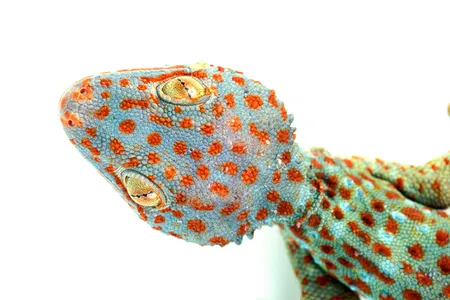
A Quarter of All Reptile Species, Many of Them Endangered, Are Sold Online
A new study finds 75 percent of the species sold are not regulated by any trade agreement
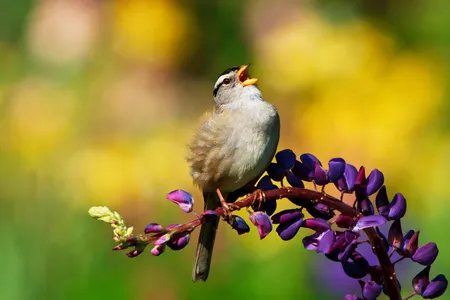
The Pandemic Shutdown in San Francisco Had Sparrows Singing Sexier Tunes
Birds adapted to singing above the urban noise chirped lower, softer melodies
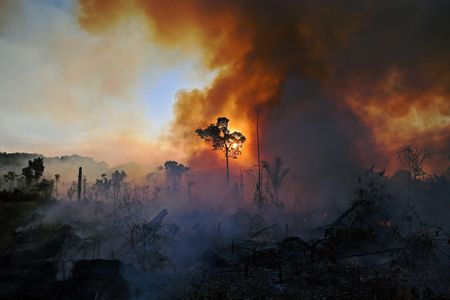
Humans Wiped Out Two-Thirds of the World’s Wildlife in 50 Years
Threats to global biodiversity are also threats to humans, experts warn
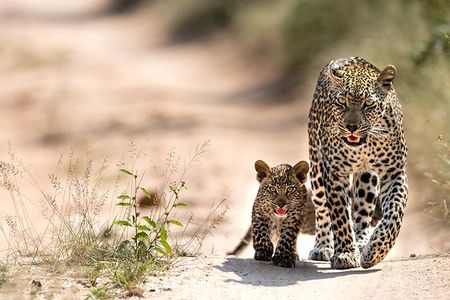
Want to Support Wildlife Conservation in Africa? Start by Going on a Virtual Safari
During the Covid-19 pandemic, the beleaguered safari industry is livestreaming game drives to draw attention to its cause

Jacques Cousteau’s Grandson Wants to Build the International Space Station of the Sea
Off the coast of Curaçao, at a depth of 60 feet, aquanaut Fabien Cousteau is looking to create the world’s largest underwater research habitat
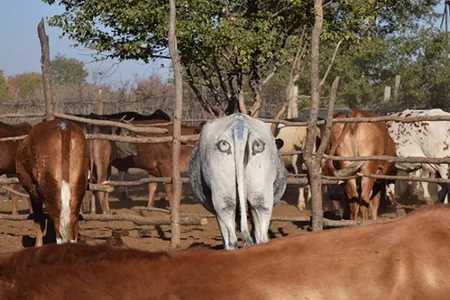
Painting Eyes on Cow Butts Could Save Cattle and Lion Lives
The four-year study in Botswana found cattle with eye marks painted on their behinds were less likely to be killed by predators
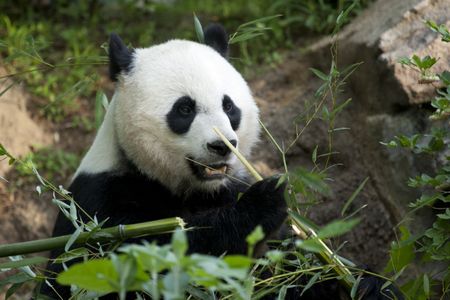
Is There a New Baby Panda Due at the National Zoo?
An ultrasound today revealed that the National Zoo’s resident giant panda, Mei Xiang, could be expecting
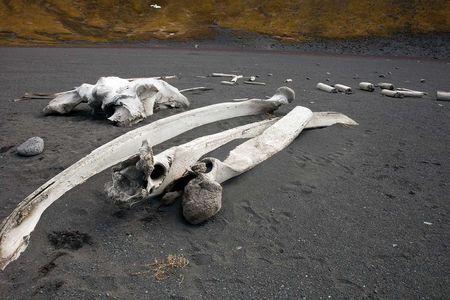
Mass Die-Offs of Marine Mammals Are on the Rise
Viral and bacteria outbreaks are increasingly causing fatalities in a variety of species, including seals and dolphins
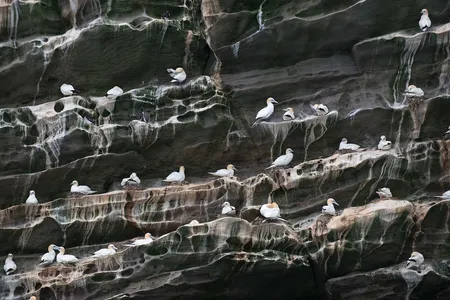
Seabird Poop Is Worth More Than $1 Billion Annually
Scientists put a price tag on guano’s global benefits, which range from agricultural fertilizer to coral reef enricher
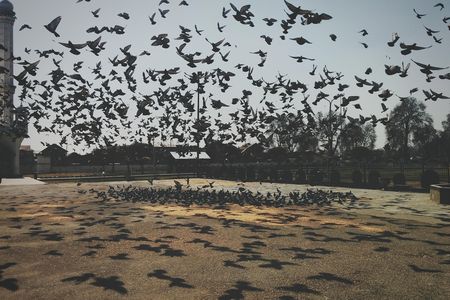
In Cities and Farms, Disease-Carrying Animals Thrive
When humans dominate wild land, disease-carrying animals take over and biodiversity suffers
Page 58 of 64