
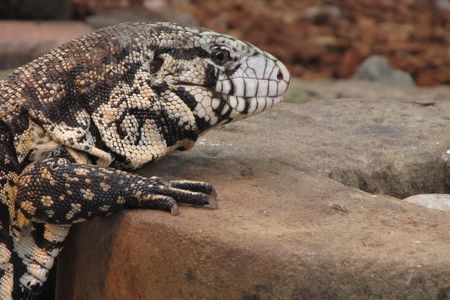
These Four-Foot Lizards Will Eat Anything—and They’re Invading the Southeastern U.S.
Tegus first appeared in the wild of southern Florida a decade ago, but now they’re in Georgia and South Carolina, too

Even in the Bolivian Amazon, Average Human Body Temperature Is Getting Cooler
A new study finds the average body temperature among Bolivia’s Tsimane people dropped by nearly a full degree in just 16 years

Researchers Uncover 2,000-Year-Old Maya Water Filtration System
The city of Tikal purified one of its reservoirs with technology comparable to modern systems

Machu Picchu Reopens for a Single Stranded Tourist
Jesse Katayama, 26, waited seven months for his chance to see the mountainous 15th-century Inca settlement

Oxford Museum Permanently Removes Controversial Display of Shrunken Heads
Citing the exhibit’s reinforcement of “racist and stereotypical thinking,” the Pitt Rivers Museum moved a total of 120 human remains into storage

Severe Cyclones May Have Played a Role in the Maya Collapse
Sediment cores from the Great Blue Hole reveal that a series of extreme storms hit the region after 900 A.D.

New Research Reveals the Transatlantic Slave Trade’s Genetic Legacy
Scientists investigated whether genetic data collected from 50,000 volunteers lined up with historical shipping manifests
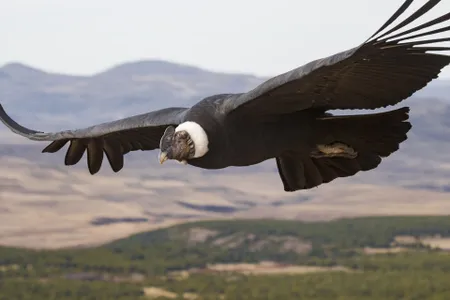
The Andean Condor Can Soar 100 Miles Without Flapping
The impressively efficient flight was recorded during a new study of the giant scavenger’s aerial prowess

Second Brazilian Museum Fire in Two Years Sparks Calls for Reform
Authorities are assessing the damage caused by a June 15 blaze at the Natural History Museum and Botanical Garden in Belo Horizonte

Record-Breaking Lightning Bolts Spark Excitement
Officials confirmed two ‘megaflash’ lightning bolts in Brazil and Argentina that struck down previous world records

Early Residents of the Pacific Northwest Smoked Smooth Sumac
Researchers used a new technique to detect the chemical fingerprints of specific plant species in a 1,400-year-old pipe’s residue
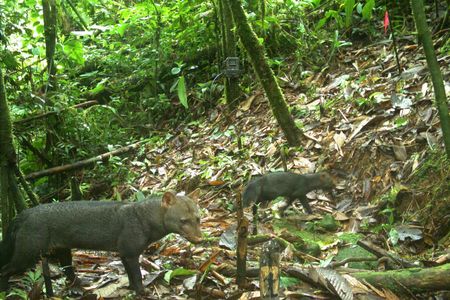
The Amazon’s ‘Ghost Dogs’ Face 30 Percent Habitat Loss
The solitary species is hard to spot on camera, and they’re the only canine that lives in the Amazon rainforest

Meet the Bee With a Body That’s Half Male, Half Female
So-called gynandromorphs are rare, but they can teach us a lot about development and evolution
Page 9 of 9