
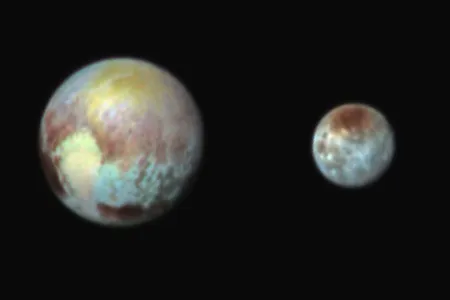
Where Will the New Horizons Probe Go After Pluto?
The historic flyby may be over, but the spacecraft should still go on to study even smaller bodies on its path through the Kuiper belt
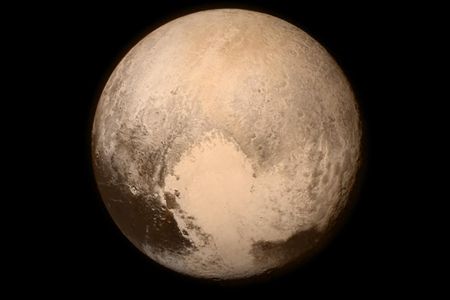
The New Horizons Probe Has Made Its Closest Approach to Pluto
Mission scientists have received the confirmation signal that the pre-programmed event went as planned and the craft is healthy
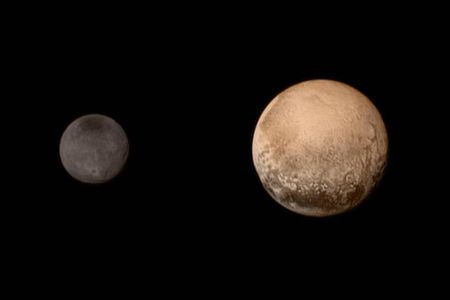
New Horizons Probe Reveals That Pluto is Bigger Than Expected
But so far it still won’t be considered a “planet”

Pluto Probe Finds Surprises Ahead of Its Close Encounter
From dark poles to weird “whales”, New Horizons is giving us a taste of the historic science we can expect from its visit to Pluto
What Did Insects Evolve From and More Questions From Our Readers
You asked, we answered
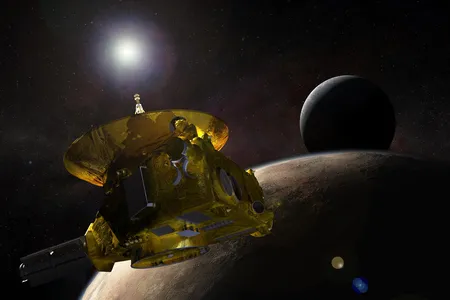
Seven Surprises From the First Flybys of Each Planet in the Solar System
As the New Horizons probe approaches Pluto, find out what wonders were uncovered by the first spacecraft to zip past other worlds
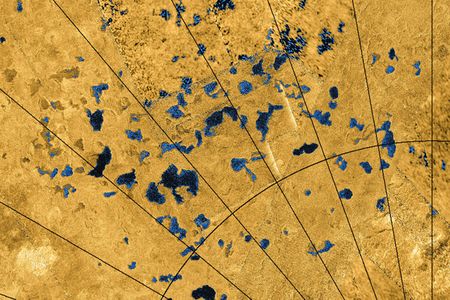
Lakes on Saturn’s Moon are Really Sinkholes Filled With Liquid Methane and Ethane
Strange and changeable lakes might form just as certain water-filled lakes do on Earth
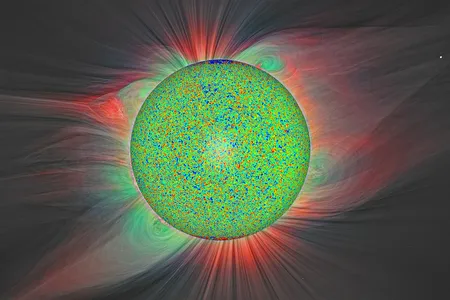
A “Mangrove Forest” of Magnetism May Help Heat the Sun’s Corona
New simulations might explain why the sun’s atmosphere is bizarrely millions of degrees hotter than its surface
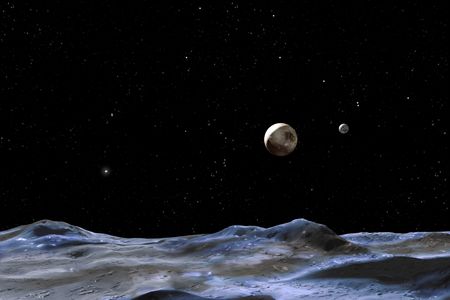
Weird Orbital Behaviors Offer Clues to the Origins of Pluto’s Moons
Solving the mystery of these satellites could help astronomers understand “Tatooine” exoplanets that orbit binary stars
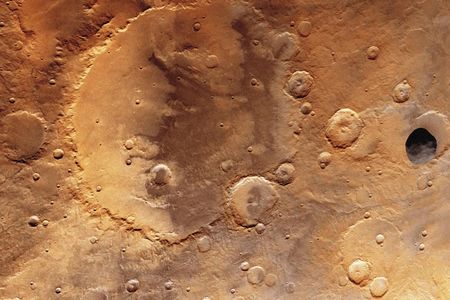
Did Mars Steal its Moons From the Asteroid Belt?
Scientists still aren’t sure where the odd little moons came from, but they have ideas

There Might Really Be a Planet X, Lurking Beyond Pluto
The far reaches of our own solar system could contain worlds undiscovered.
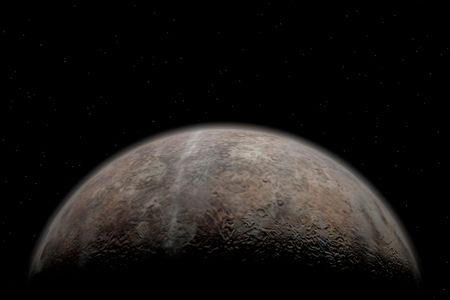
Make Your Mark on Pluto by Helping Name Its Features
The New Horizons team is asking the public for help labeling the maps of Pluto and one of its moons
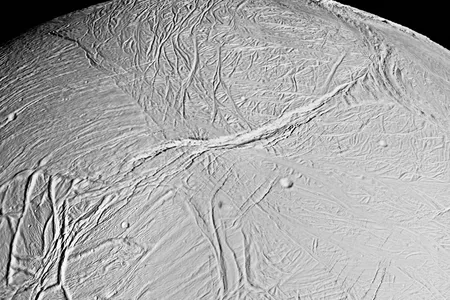
A Hint That a Saturnian Moon Could Have Hydrothermal Vents—And Support Life
Grains of silica from Saturn’s magnetosphere likely came from Enceladus and may mean the moon has hydrothermal vents
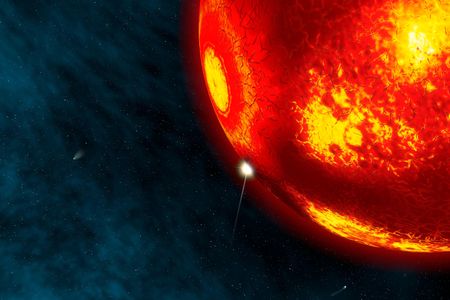
Metal Rain Could Explain Why the Earth Made of Different Stuff Than the Moon
A new study shows that iron-rich asteroids could have vaporized when they hit the early Earth
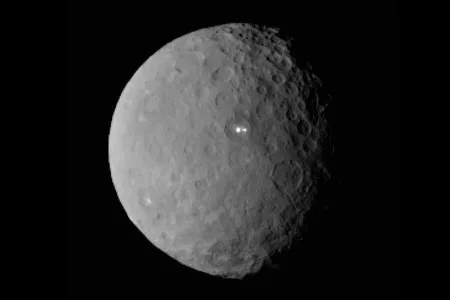
The Dawn Spacecraft Is About to Reach Its Next Destination—the Dwarf Planet Ceres
We might just learn what the mysterious bright spots on the dwarf planet are—and much more
If the Earth’s Orbit Stopped We Would Have About A Month To Contemplate Our Doom
Fortunately, this is just a thought experiment
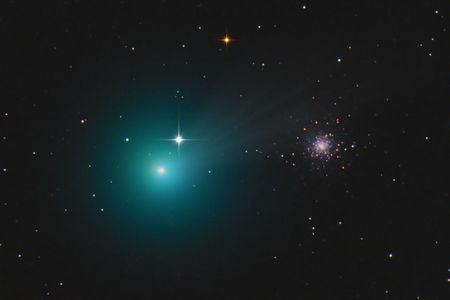
How to See This Green Comet With the Naked Eye
The “New Year’s Comet” is taking astronomers by storm with an unexpected showing, and it should only get brighter through early January
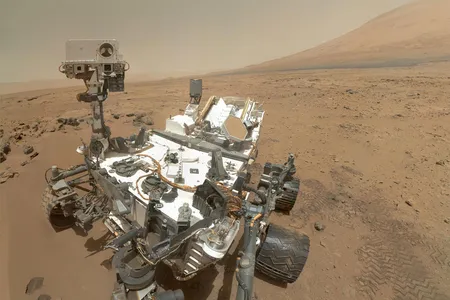
An Insider’s Biography of a Celebrity Mars Rover
The chief engineer for Curiosity offers a peek at the NASA rover’s tumultuous rise to stardom in a new tell-all book
Page 21 of 22