
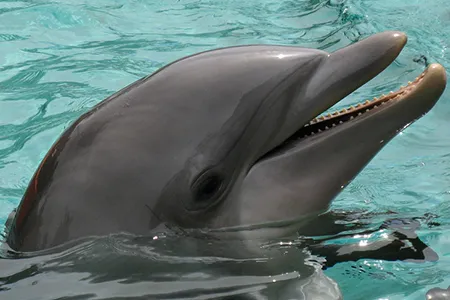
Do Dolphins Use Whistles to Call Themselves by Unique Names?
Audio experiments show that the marine mammals each have their own whistle, and respond to hearing their distinct whistle by calling right back
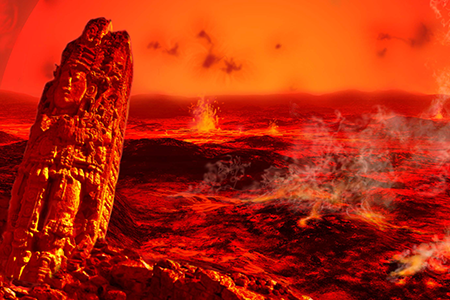
The End of the World Might Just Look Like This
Artist Ron Miller presents several scenarios—most of them scientifically plausible—of landscapes imperiled and of Earth meeting its demise
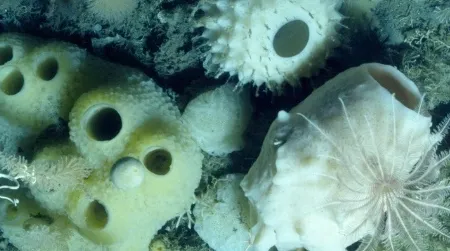
Glass Sponges Move In As Antarctic Ice Shelves Melt
Typically slow-growing glass sponge communities are popping up quickly now that disappearing shelf ice has changed ocean conditions around Antarctica

A Turn in the Tide for Sharks and Their Public Image
Nearly 40 years after Jaws gave sharks a bad rap, the fish are the ones that need saving, not the beachgoers
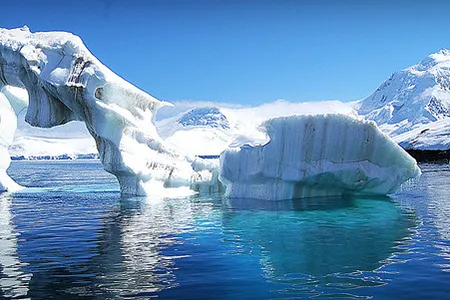
Antarctica’s Ice Shelves Dissolve Thanks to Warm Water Below
The ocean bathing the underside of massive sheets of floating ice is slowly melting ice shelves, making them vulnerable to collapse
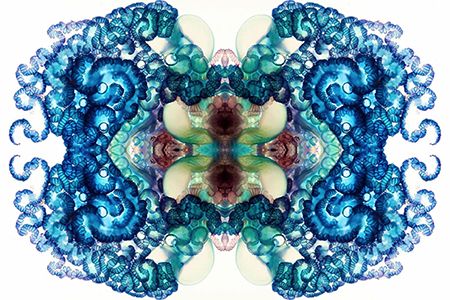
The Vibrant Patterns of Portuguese Men-of-War
Beachgoers despise the stinging animals, but photographer Aaron Ansarov finds surreal beauty in them
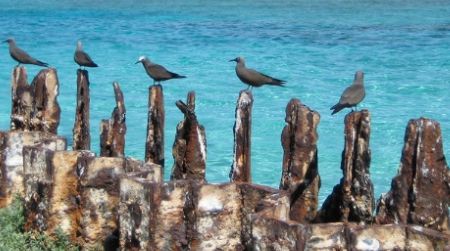
Warming, Rising Acidity and Pollution: Top Threats to the Ocean
Since the last World Oceans Day, we’ve documented trash in the deep sea, sea snails with acid-weakened shells, high ocean temperatures and more
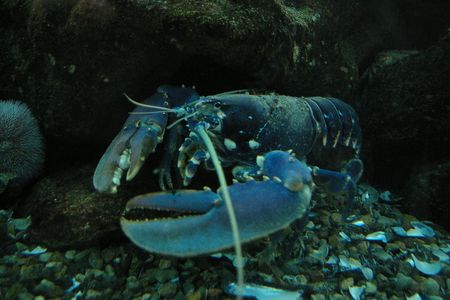
Don’t Listen to the Buzz: Lobsters Aren’t Actually Immortal
Contrary to memes circulating online, lobsters can’t live forever—but they do keep growing and growing until they die
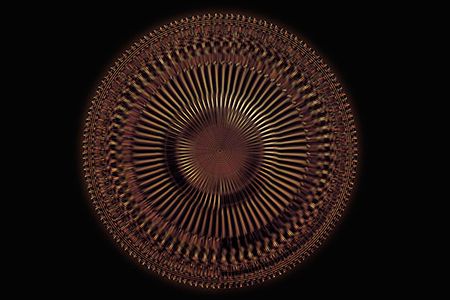
Mark Fischer, a software developer in California, turns data from recordings of whales, dolphins and birds into psychedelic art

Robert Ballard — Ocean Explorer
“Future Is Here” Featured Speaker
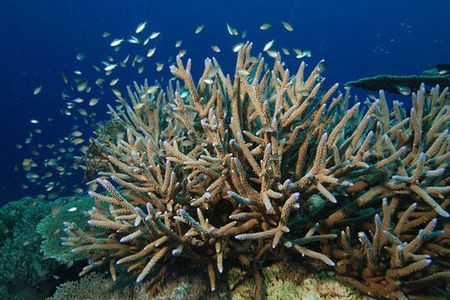
Endangered Ocean Creatures Beyond the Cute and Cuddly
Marine species threatened with extinction aren’t just whales, seals and turtles—they include fish, corals, mollusks, birds, and a lone seagrass
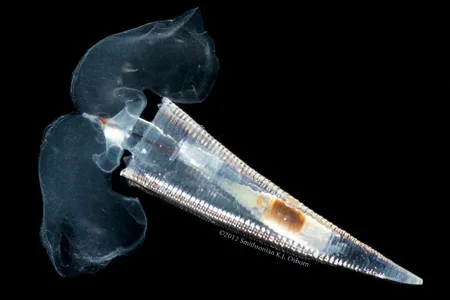
Amazing Sea Butterflies Are the Ocean’s Canary in the Coal Mine
These delicate and stunning creatures are offering Smithsonian scientists a warning sign for the world’s waters turning more acidic
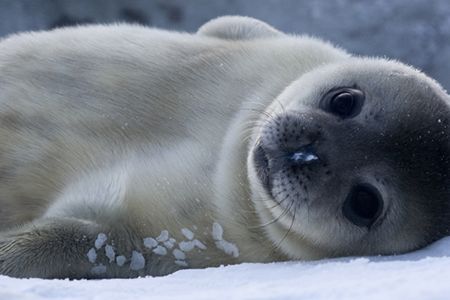
Baby Weddell Seals Have the Most Adult-Like Brains in the Animal Kingdom
The newborn seal pups possess the most well-developed brains compared to other mammals, but that advantage comes with a cost
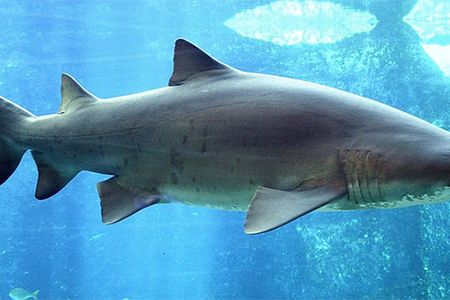
Baby Sand Tiger Sharks Devour Their Siblings While Still in the Womb
This seemingly horrific reproduction strategy may be a way for females to better control which males sire her offspring
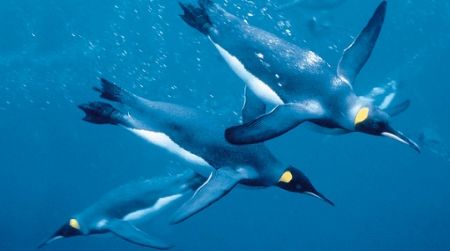
Which penguin swims the fastest? Do penguins have teeth? Why do penguins sneeze? How is penguin poop useful?
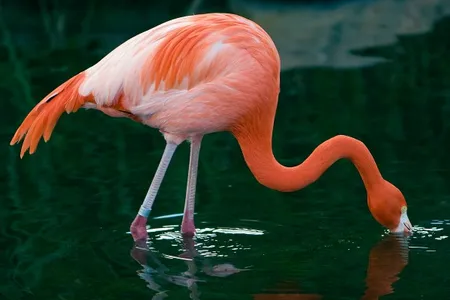
For Some Species, You Really Are What You Eat
Flamingos, shrimp and many other animals use chemical compounds found in their diets to color their exteriors
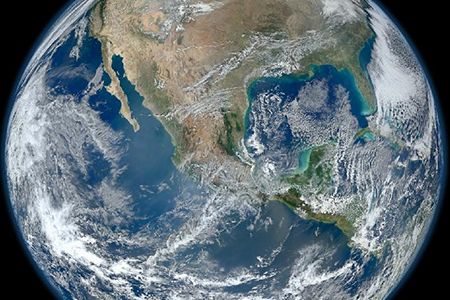
10 Things We’ve Learned About the Earth Since Last Earth Day
Pigeon-eating catfish, Antarctic trash, and more: A list of surprising, alarming and exciting discoveries about our planet from the past year
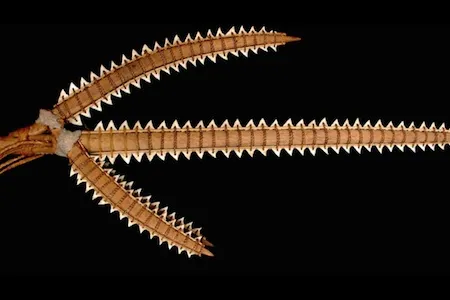
19th Century Shark Tooth Weapons Reveal A Reef’s Missing Shark Species
Lashed to swords and spears from the Pacific’s Gilbert Islands are teeth from two shark species that were never known to have swam in the area
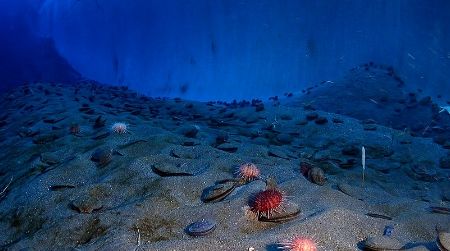
Microbes Buried Deep in Ocean Crust May Form World’s Largest Ecosystem
Far below the ocean floor, scientists have discovered a microbial community away from undersea vents, beyond the reach of the sun
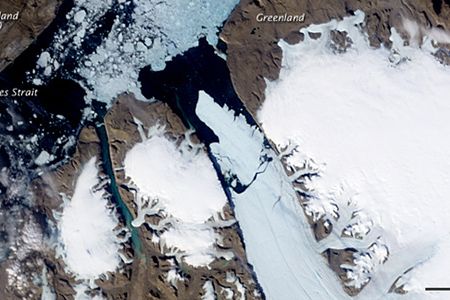
Greenland’s Glaciers Are Hemorrhaging Ice, Best Seen By Photos from Space
Satellites snap pictures of Greenland’s glaciers, which a new study shows are vanishing at an accelerated pace, helping to spike global sea levels
Page 81 of 89