
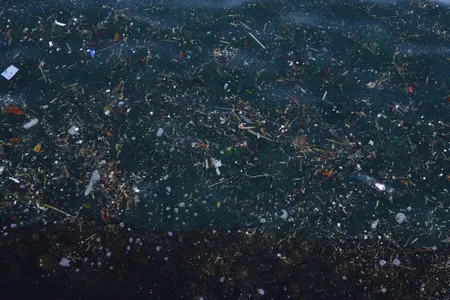
The Pacific Garbage Patch Is Home to Coastal Species—in the Middle of the Ocean
These out-of-place organisms are thriving on floating trash, but they may compete with open-water species
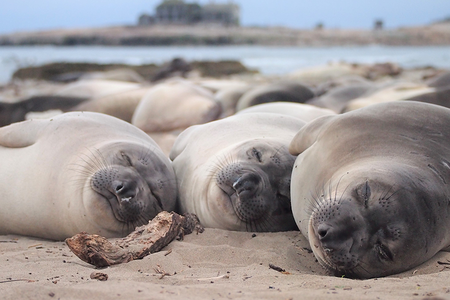
Elephant Seals Take Extreme Power Naps in the Open Ocean
While foraging on deep dives, the marine mammals sleep for about two hours per day in short, ten-minute bursts
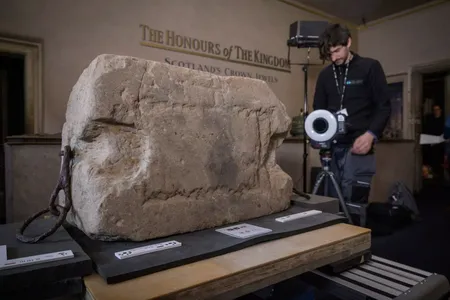
Researchers Find Hidden Markings on the Stone of Destiny, Sacred Slab Used in British Coronations
Ahead of the crowning of Charles III on May 6, experts analyzed the stone with cutting-edge technology
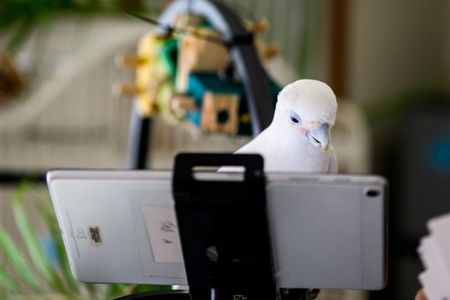
Scientists Taught Pet Parrots to Video Call Each Other—and the Birds Loved It
Wild parrots tend to fly in flocks, but when kept as single pets, they may become lonely and bored

Carnivorous Plants May Lure Insects With Specially Tailored Scents
Pitcher plants appear to use different odor cocktails to attract bees, moths, ants and other bugs into their death traps
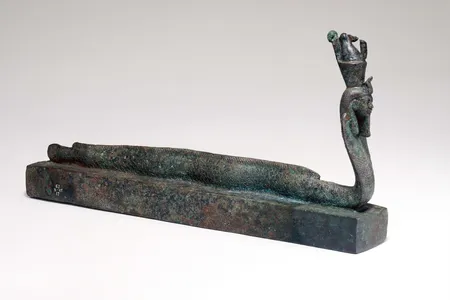
Lizard Remains Found Inside 2,500-Year-Old Coffins from Ancient Egypt
Researchers at the British Museum used neutron tomography to get a look inside the still-sealed metal boxes without damaging the artifacts
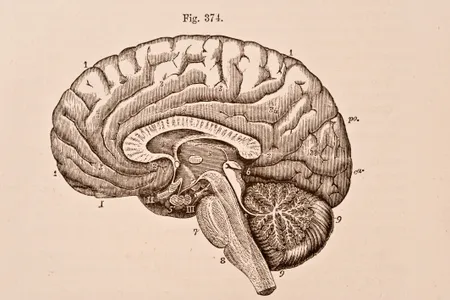
Scientists Update Map of How Our Brains Control Movement
The traditional diagram showed brain regions linked to specific body parts, but we might also have areas connected to whole-body control
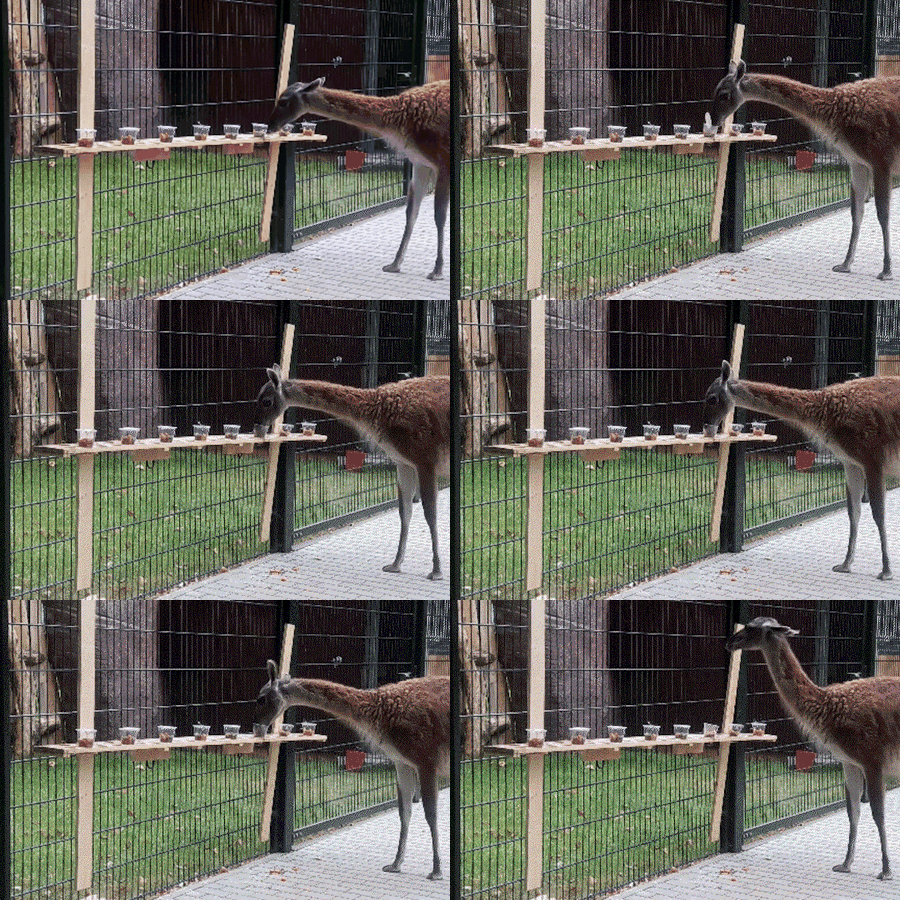
Outsider Animals May Be the Best at Solving Problems
Researchers tested whether hoofed mammals could retrieve food from a lidded cup, and those lower in the pecking order were the most successful
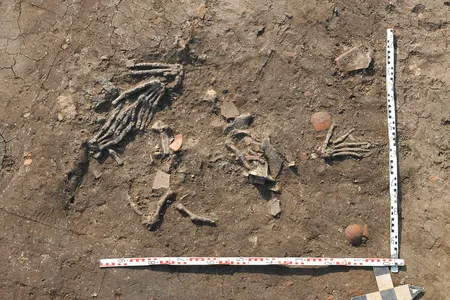
Cache of Ancient Severed Hands May Have Been Part of a Ritual
Twelve right hands found in an Egyptian palace courtyard were likely battle trophies that warriors exchanged for gold
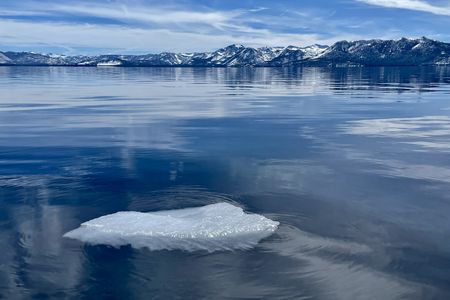
Why Lake Tahoe Is the Clearest It’s Been in 40 Years
Thanks to a “natural clean-up crew” of zooplankton, the large freshwater alpine lake is looking especially pristine
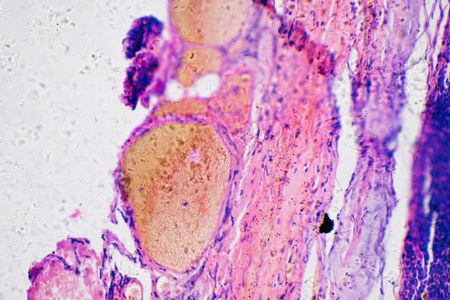
New mRNA Vaccine Shows Promise Against Skin Cancer
Research suggests the personalized vaccine, paired with an immunotherapy drug, can reduce melanoma recurrence in high-risk patients
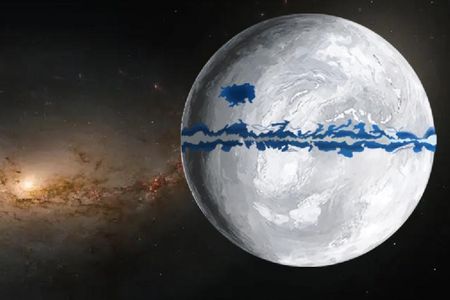
How Life Could Have Survived the Frozen ‘Snowball Earth’
During a prehistoric ice age when the planet was enveloped in glaciers, algae could have made a living in patchy, open oceans, study suggests
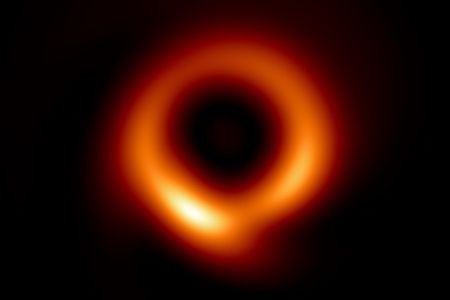
See the Sharp New Image of a Supermassive Black Hole
Astronomers used machine-learning technology to improve a 2019 visualization of the M87 black hole, located some 54 million light-years away from Earth

Wealthy Residents’ Pools and Gardens Are Driving Water Crises
Urban elites use a disproportionate share of water compared to their lower-income peers, according to a new study
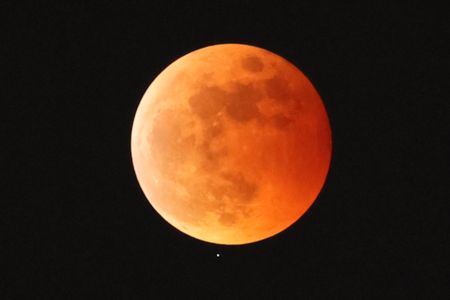
Medieval Eclipse Records Help Scientists Understand Volcanic Eruptions
Descriptions of lunar eclipses from monks and poets can shed light on how volcanoes affect Earth’s climate in a new study
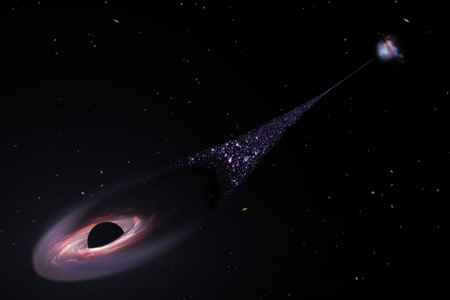
Black Hole Hurtling Through Space Leaves a Trail of Stars in Its Wake
Researchers theorize a stream of stars 200,000 light-years long came from a black hole ejected from its galaxy
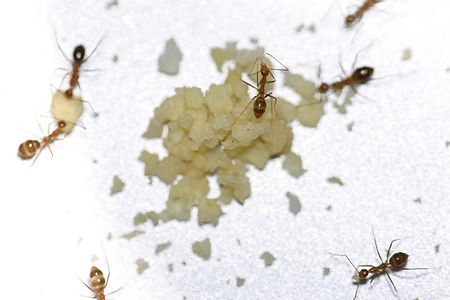
These Male Ants Have Two Separate Sets of DNA
A genetic condition called chimerism may have helped yellow crazy ants become a dominating invasive species, a new study suggests
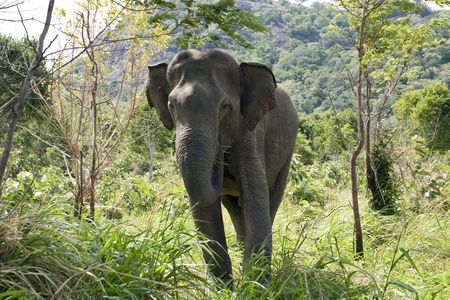
Watch This Elephant Peel a Banana With Her Trunk
Pang Pha likely learned to de-skin the yellow fruits while observing her human caretaker in her youth
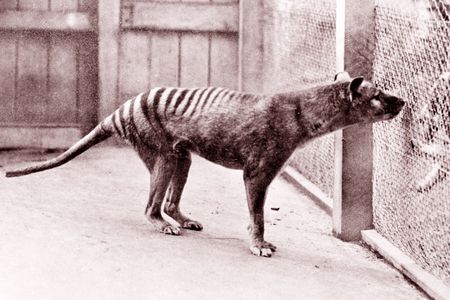
Extinct Tasmanian Tigers May Have Survived Longer Than Previously Thought
Though the last documented thylacine died in 1936, a new study based on alleged sightings suggests the species lived for decades more
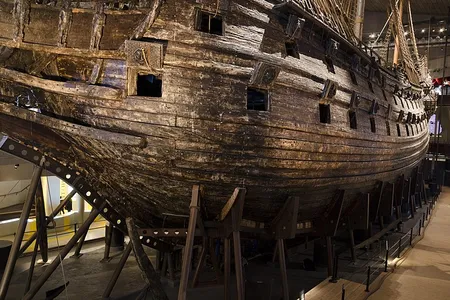
Who Was the Woman Aboard This Famed 17th-Century Swedish Warship?
DNA analysis has revealed that a woman was among the 30 who died when the ‘Vasa’ sank on its maiden voyage
Page 88 of 308