
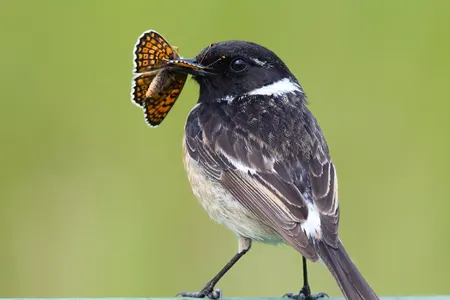
While many circumstances factor into the calculation, researchers found in a new study that local predators, not appearance alone, had the greatest impact on a color strategy’s success
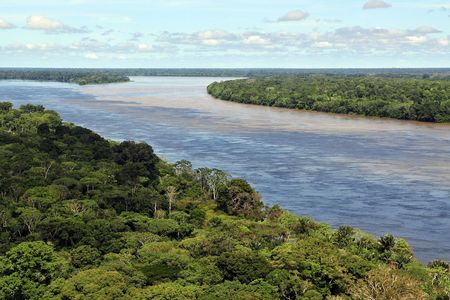
The Amazon’s Trees Might Be More Resilient to Climate Change Than We Thought
A team of nearly 100 researchers found the average tree size in the massive rainforest has increased by more than 3 percent per decade since the 1970s
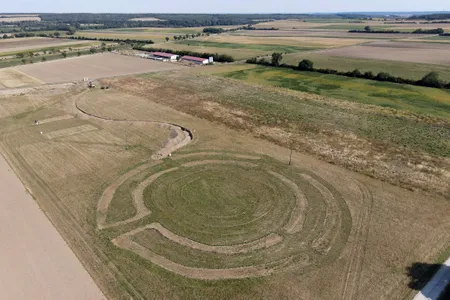
Recent excavations have shed new light on the four circular ditches, which were identified in a field near Rechnitz, Austria, during surveys of the area between 2011 and 2017

Scientists Studied the Genes of a Woman Who Lived 117 Years. Here’s What They Learned
Maria Branyas Morera, formerly the world’s oldest person, allowed researchers to take a detailed look at her biology before she died last year
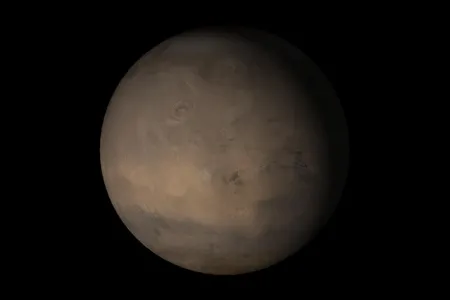
How Marsquakes Have Helped Researchers Investigate the Depths of the Red Planet’s Interior
Two recent studies used seismic data from NASA’s retired InSight mission to shed light on what lies beneath Mars’ surface and what it means for the planet’s history
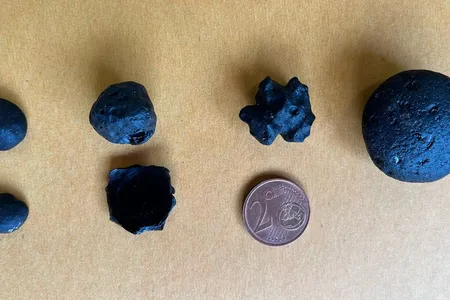
Special shards of glass, known as “tektites,” were hiding in plain sight in a museum collection
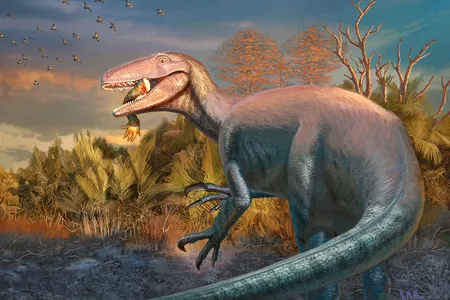
Paleontologists Discover Megaraptor Fossil With a Crocodilian’s Leg Still in Its Mouth
The finding in Argentina reveals a new megaraptor species that would have ruled at the same time as North America’s T. rex, shedding light on what it took to be a prehistoric top predator

What Causes Stuttering? A Large DNA Analysis Study Offers New Clues, Uncovering Links to 48 Genes
Scientists analyzed data from more than one million users of 23andMe and found associations between certain genes and stuttering

When a curator spotted a strikingly similar image of a dog by a lesser-known Dutch artist, she wondered if it could have inspired the pup in Rembrandt’s famous 1642 painting
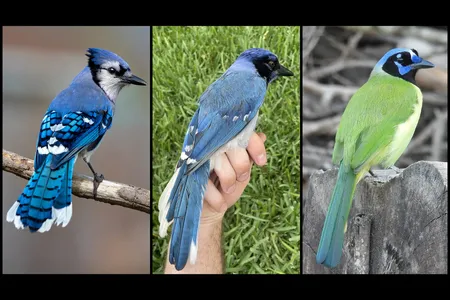
The ranges of the two parent bird species have expanded due to climate change and now overlap around San Antonio, researchers say
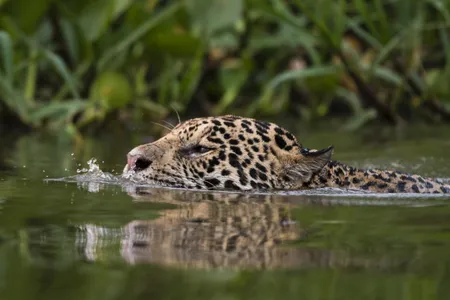
The new record could help conservationists strategize ways to consider feline movements during construction of hydroelectric dams
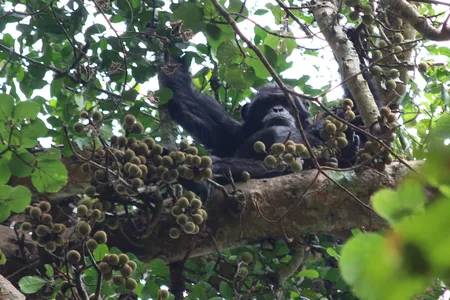
Chimps Consume the Equivalent of 2.5 Alcoholic Drinks per Day by Eating Fermented Fruit, Study Finds
Scientists report that chimpanzees consume about 14 grams of alcohol daily and suggest the result might help explain humans’ interest in booze
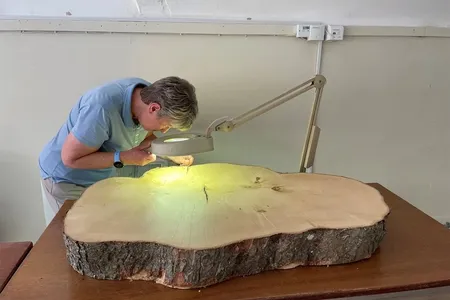
By Counting Growth Rings, Researchers Solve the Mystery of the Sycamore Gap Tree’s Age
A new analysis shows that the historic tree was at least 100 to 120 years old in September 2023, when two men illegally chopped it down
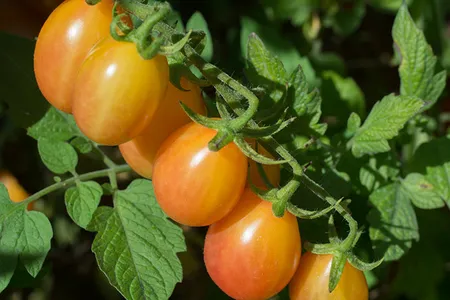
Researchers Just Developed a Tasty New Tomato Called the Scarlet Sunrise
The snackable grape variety is the brainchild of scientists at Rutgers University, who have spent more than a decade trying to produce a firm, crack-resistant fruit with a vibrant reddish-yellow color
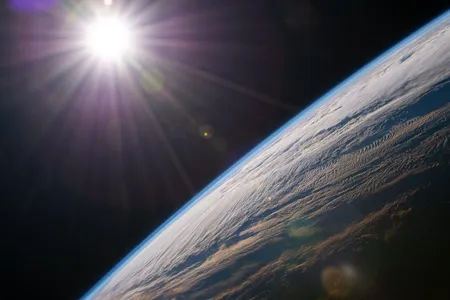
Researchers are discussing 2025 PN7, a small celestial body that’s following a similar orbital path to our planet’s without being gravitationally tied to Earth
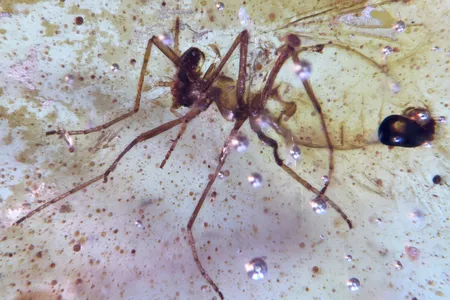
112-Million-Year-Old Amber Samples Preserve a Snapshot of an Ancient Forest
The deposits from the time of the dinosaurs contain fragile insects and a spider’s web

Researchers say the experimental tool has huge implications for public health, especially in conjunction with Alzheimer’s drugs that are most effective in the disease’s early stages
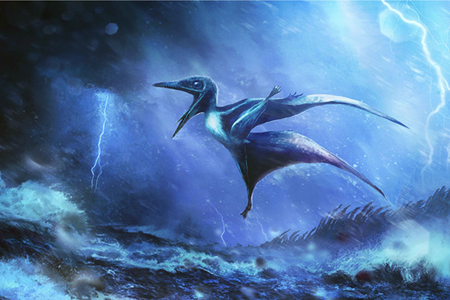
A 150-million-year-old fossil hotspot in southern Germany yields an astounding number of well-preserved juvenile pterosaurs, and scientists wondered why it contained fewer adults
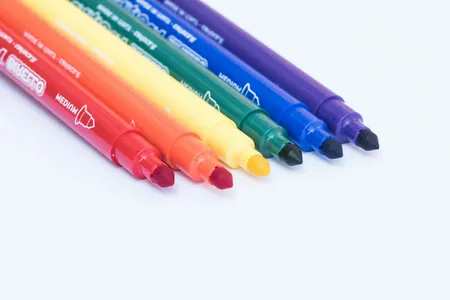
Do We See the Same Colors as Others? Study Suggests Brains Respond to the Same Hues in Similar Ways
Using MRI scans, researchers found that participants’ patterns of brain activity were alike when looking at certain colors. But people can still experience those colors differently

Using uranium-lead dating, researchers calculated the age of the eggs, rather than the sediments around them, at the Qinglongshan site in China
Page 33 of 308