

What Rock-Paper-Scissors Can Tell Us About Decision Making
The knowledge that scissors cuts paper, that rock smashes scissors, and that paper covers rock, is key in childhood development. But the same logic might also be a way to think about psychology too
Men Are Better Navigators Than Women, But Not Because of Evolution
Navigational abilities may be a side effect of higher testosterone levels
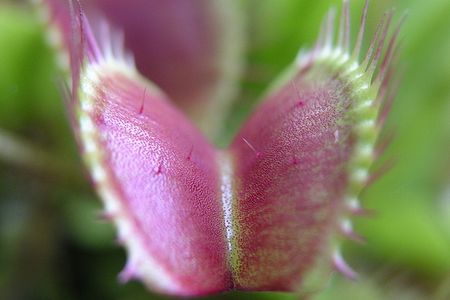
Venus Fly Traps Glow Blue to Attract Their Prey
By emitting a faint blue glow, venus flytraps better attract their next meal
Researchers Treat Sinusitis the Same Way They Clean Ships
Yes, researchers think about your nose like a dirty ship hull that needs cleaning. But it does seem to work
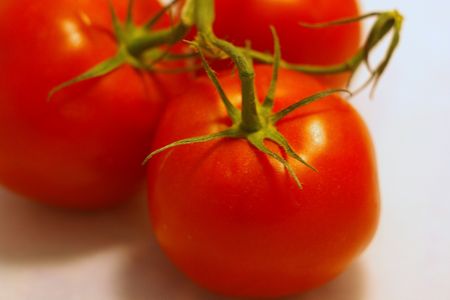
Geneticists Think They Can Fix Tasteless Tomatoes
By identifying the genes that control the production of volatile chemicals, we could soon turn the bland tomato’s flavor back on

Nuclear Bombs Made It Possible to Carbon Date Human Tissue
The fallout of the nuclear bomb era is still alive today - in our muscles
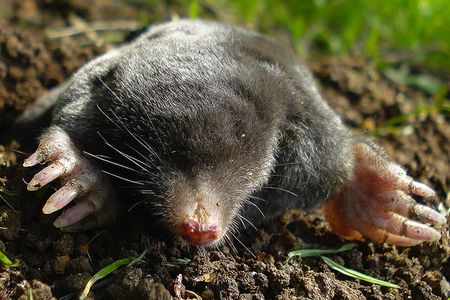
We see and hear with eyes and ears process those images and sounds single pieces of information. It turns out moles do the same thing, except with smell
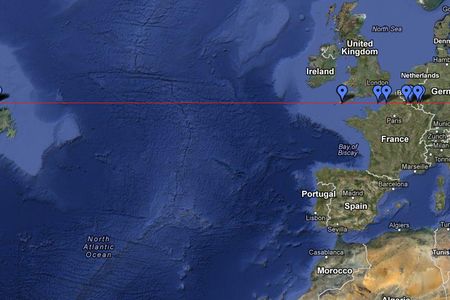
Europe Is Warmer Than Canada Because of the Gulf Stream, Right? Not So Fast
A long-accepted explanation for a warm Europe is up for debate
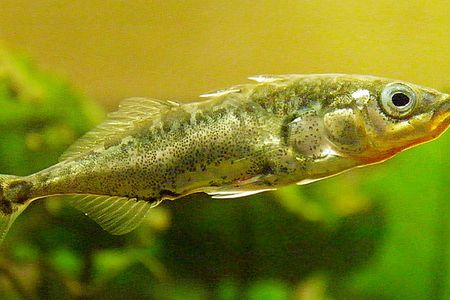
Saving Top Predators Could Have a Climate Change Benefit, Too
Through their effect on the food web, shifting predator populations can change greenhouse gas levels
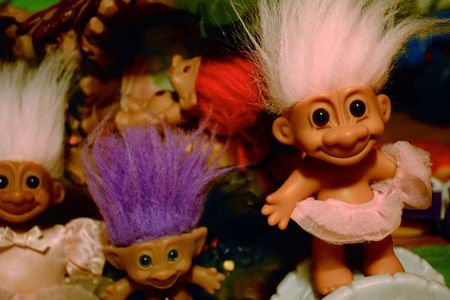
Trolls Are Ruining Science Journalism
Negative comments, regardless of their merit, could sway readers’ perceptions
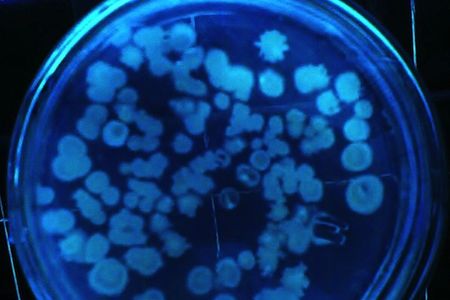
Guess What the Most Abundant Organism on Earth Is?
If you had to guess the most abundant organism on the planet, you might think of ants, or maybe bacteria. But a newly discovered virus might trump them all
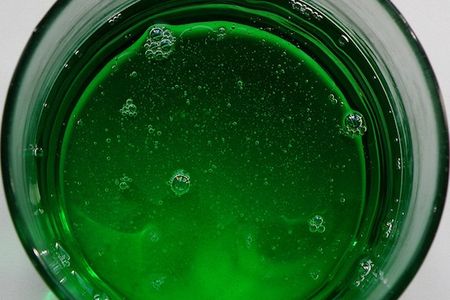
Opera Fans Have an Advantage in Chemistry Class
Twenty-five different natural and synthetic chemical potions and poisons pop up in 20 different opera’s plots

We’re Biased Towards Our Own Relationship Status And Push It Onto Our Friends
People, whether single or partnered up, tend to think their way of romantic life is better for everyone, regardless of how happy they actually are

Why Football Players Get Away With Everything, Even Doping
The people of the world have spoken: they don’t like cheaters, and they don’t like doping. Unless you’re a football player - in which case no one seems to care

Neuroscientists Have Created Mice That Can’t Sense Cold
The end goal is to help develop drugs that more thoroughly knock out the feeling of pain
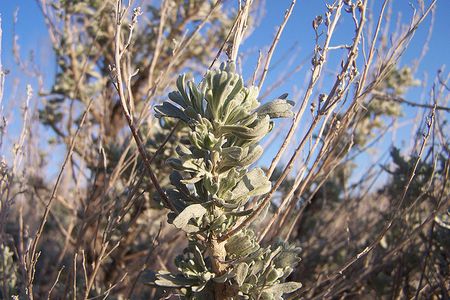
Not Only Can Plants Talk to Each Other, They Listen More Closely to Their Relatives
Plants speak with chemical cues, and they listen more carefully to their close relatives
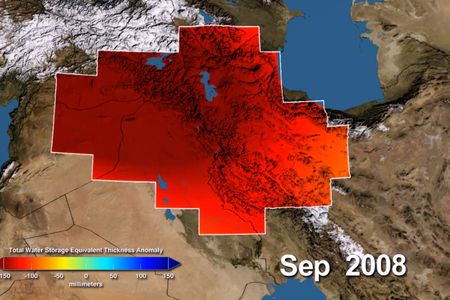
In the Middle East, Supplies of Fresh Water Are Dwindling
A 2007 drought, and an over-reliance on groundwater, means the the Middle East’s aquifers are fading
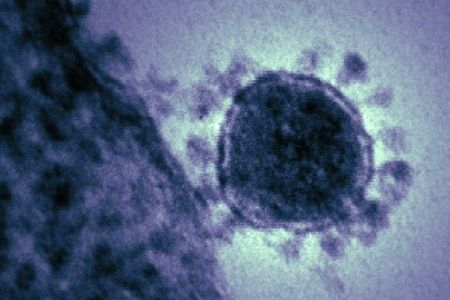
New SARS-Like Virus Is Spreading—Slowly
A novel coronavirus identified earlier this year is slowly—very slowly—spreading
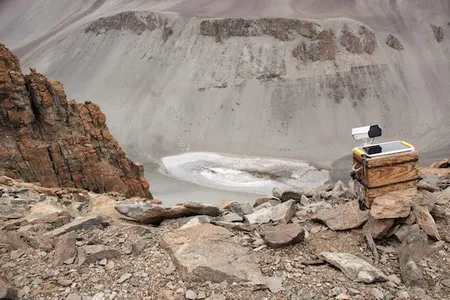
The Saltiest Pond on Earth Could Explain How Bodies of Water Form on Mars
At 40 percent salinity, the pond is the saltiest body of water on the planet.
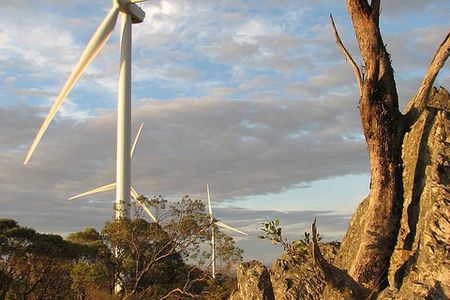
When Building New Power Plants, Wind Can Be Cheaper Than Coal
In Australia, wind power is now cheaper than coal
Page 291 of 308