
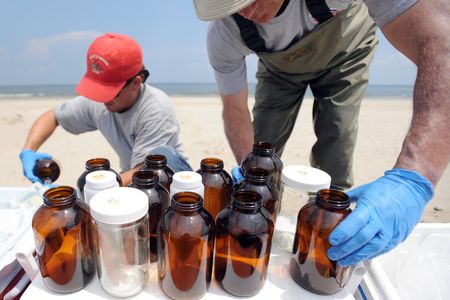
Can We Clean Up the Next Oil Spill With Magnets?
A new technique may help during the next oil spill
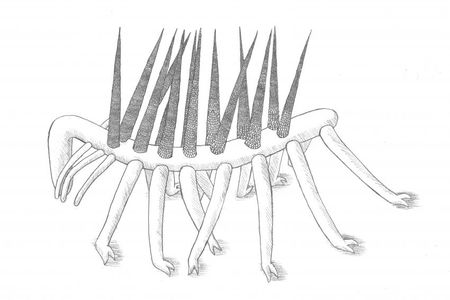
This Weird, 500 Million-Year-Old Spiky Worm With Legs Actually Has a Descendant
Modern-day velvet worms’ jaws are repurposed former claws

Our Personalities Are Most Stable in Mid-Life
In some ways, our 80-year-old selves mirror our 20-year-old selves
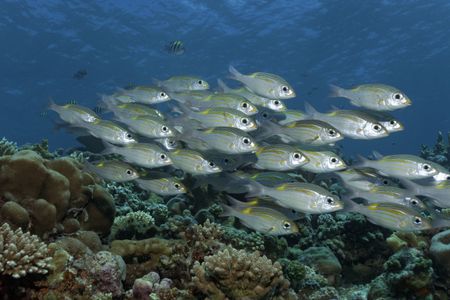
Outlook For Great Barrier Reef Not So Great
The five year state of the reef reports paints a gloomy picture for the natural wonder
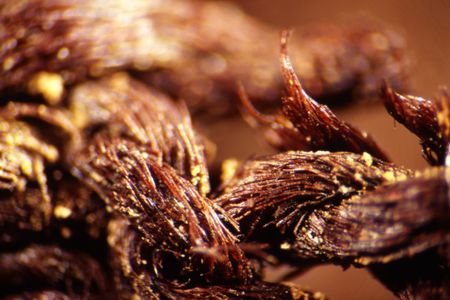
Egyptians were embalming their dead as far back as 4,100 B.C.
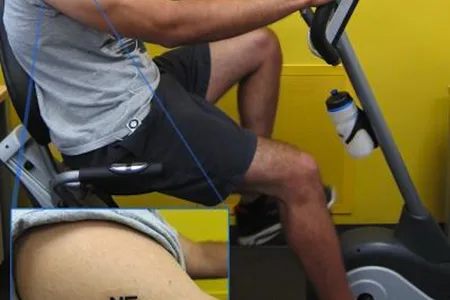
Using Sweat To Power Devices Isn’t Far Off
An intense workout at the gym could one day not only recharge your batteries, but your phone’s too
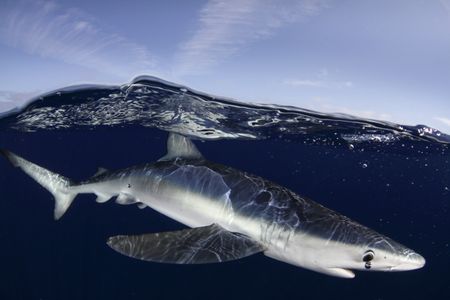
Bizarre Blue Shark Nursery Found in the North Atlantic
Rather than emerging in protected coves, baby blue sharks spend their first years in a big patch of open ocean
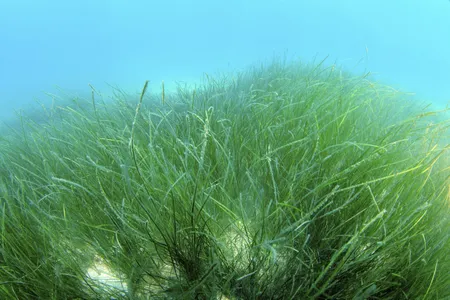
Seagrass Meadows Are Disappearing at the Same Rate as Rainforests
These underwater habitats are important for several species of sea life

Crawfish Can Convert Blood Cells into Neurons
This neat invertebrate trick could help researchers eventually figure out how to do the same for human cells

Here’s What the Newly Sequenced Cat Genome Might Tell Us
In addition to teaching us more about kitties themselves, the cat genome could shed light on human disease
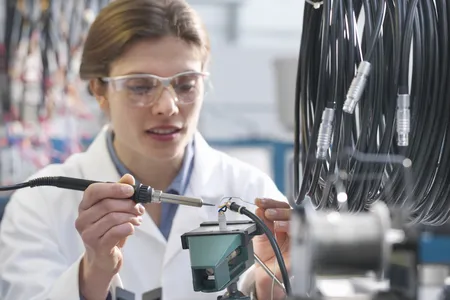
Lack of Workplace Support Keeps Women Out of Engineering Careers
Aspiring female engineers say that they perceive little chance of advancing in their field

Are Hard Foods Healthier? In Your Mind, Maybe
New research shows that texture plays a large role in how we see the nutritional value of food

Some Who Suffer from PTSD Never Get Better
As many as 11 percent of Vietnam veterans diagnosed with PTSD still suffer from the disorder
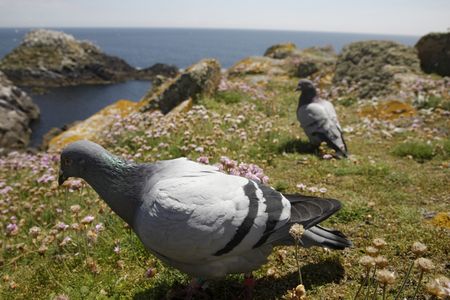
Evidence Shows Neanderthals Ate Birds
Squab was apparently on the neanderthal menu for over 40,000 years in Gibraltar
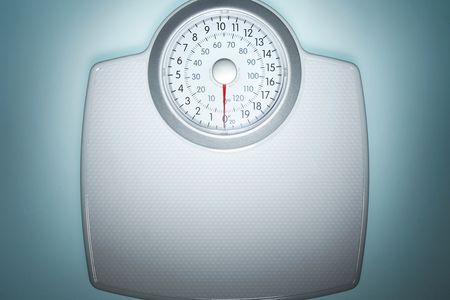
Losing Weight Makes People Healthy—But Not Necessarily Happy
The relationship between losing weight and being happy is not at all straightforward
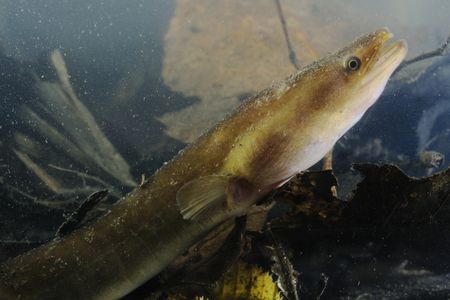
Eels Are Victims of Noise Pollution
Critically endangered European eels get distracted by man-made noise, making them more likely to get eaten by a predator

Humanity’s Legacy Might Be The Holes We Leave Behind
The last remnants of human civilizations might be the holes we carve into the earth

One Aspirin a Day Helps Keep Cancer Away
According to the largest analysis conducted to date, daily doses of aspirin significantly reduces the risk of getting some common cancers

This Mathematical Equation Predicts Momentary Happiness
Keeping your expectations low, it seems, is key to achieving fleeting satisfaction
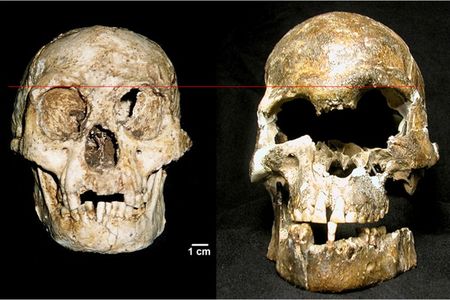
The Flores “Hobbit” Might Not Be a New Species at All
A long-standing debate on the original findings has been reignited
Page 247 of 308