
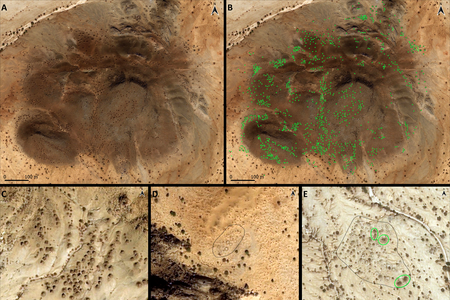
These Medieval Islamic Tombs in Sudan Were Laid Out Like Galaxies
Some of the burials appear to be clustered around “parent” funerary mounds of seeming cultural significance
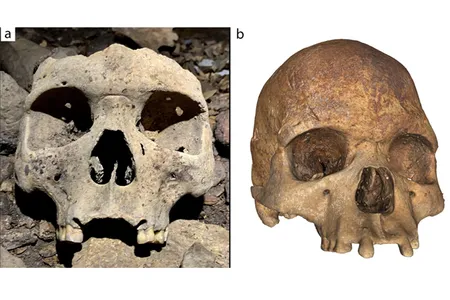
Why Are These Medieval-Era Skulls Found in Gabon Missing Their Front Teeth?
Intact, 500-year-old upper jaws discovered in an African cave bear evidence of deliberate facial modification
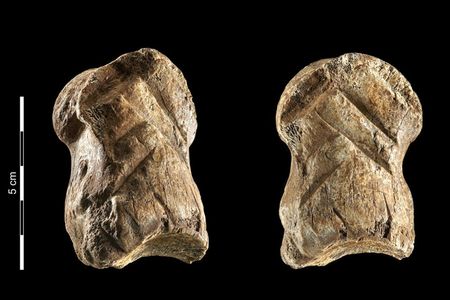
Is This 51,000-Year-Old Deer Bone Carving an Early Example of Neanderthal Art?
Made at least a millennium before modern humans’ arrival in what is now Germany, the engraved object may reflect abstract thinking

Sand Dunes in Wales Preserved This Medieval Cemetery for Centuries
Erosion threatens to destroy the historic burial ground at Whitesands Beach in Pembrokeshire
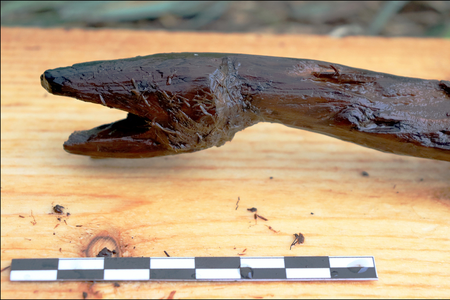
4,000-Year-Old ‘Snake Staff’ Discovered in Finland
A Stone Age shaman may have used the carving during special rituals
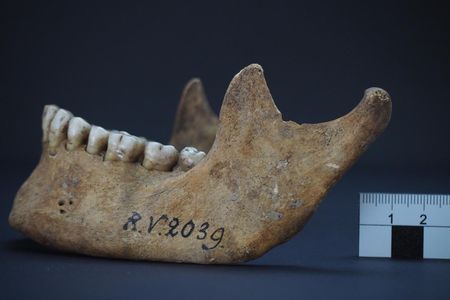
Oldest Strain of Plague Bacteria Found in 5,000-Year-Old Human Remains
Unlike the ‘Black Death’ in the 14th century, the ancient infection probably did not spread quickly between people

Over 20,000 Years Ago, a Coronavirus Epidemic Left Marks in Human DNA
The oldest modern coronavirus is about 820 years old, but humanity has been fighting similar viruses for millennia
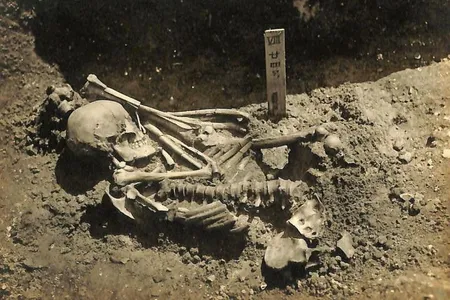
Archaeologists Uncover a 3,000-Year-Old Shark Attack Victim
Researchers found the skeletal remains at a prehistoric hunter-gatherer cemetery in Japan

Innovation for Good: Game Changers
Early Study Shows Promise of CRISPR Injection to Treat Rare Disease
Three people who received a high dose of the gene editing tool in a clinical study saw significant improvement in their condition
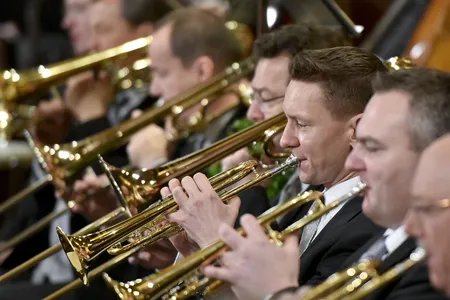
To Reduce Covid-19 Risks in Orchestras, Move Wind Instruments to the Sidelines
A study that simulated airflow and aerosol production in a concert hall suggests moving brass and woodwinds near air vents
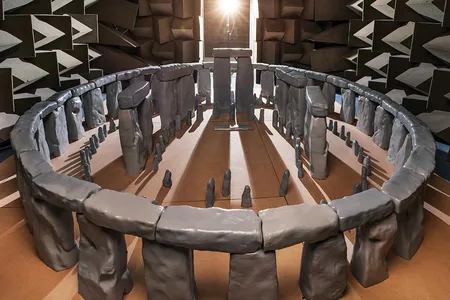
What Did Stonehenge Sound Like?
Researchers have developed a new understanding of what it meant to be a member of the inner circle
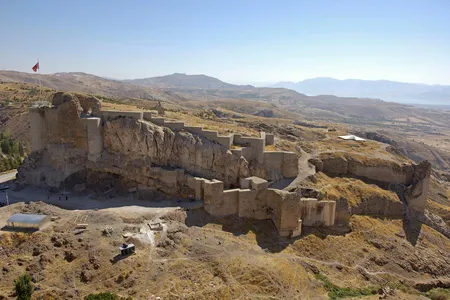
2,800-Year-Old Castle Linked to Enigmatic Ancient Civilization Found in Turkey
The structures dates to the time of Urartu, a kingdom that clashed with the Assyrians in the first millennium B.C.
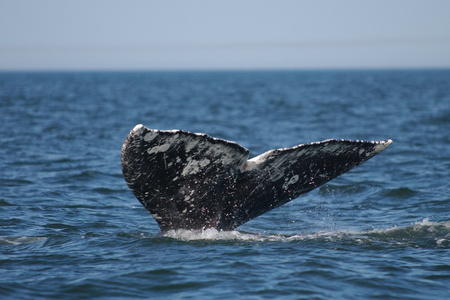
Gray Whale Breaks Migration Record With 16,700-Mile Journey
The whale, which is usually found in the northern Pacific Ocean, was spotted off Namibia in 2013
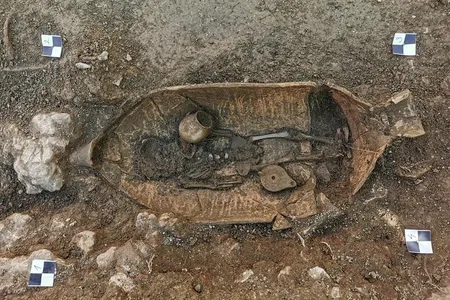
Ancient Necropolis Discovered in 17th-Century Croatian Palace’s Garden
The fourth- or fifth-century cemetery contained the remains of several individuals buried in jars

Scientists Discover a New Plant Organ
The structure, called a cantil, holds up the flower-bearing arm of the thale cress, a long-studied species
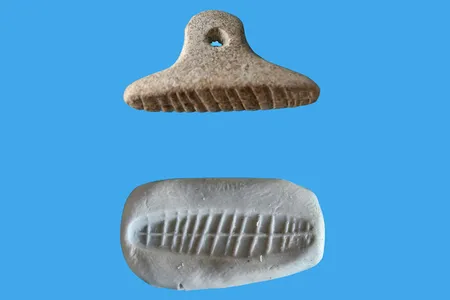
7,000-Year-Old Seal Impression Found in Israel Offers Clues to Prehistoric Trade
The clay object—the oldest of its kind found in the region—may have been used to mark a shipment or secure a grain silo door shut

Māori May Have Reached Antarctica 1,000 Years Before Europeans
New research draws on oral histories and other traditional records often ignored by Western scholars
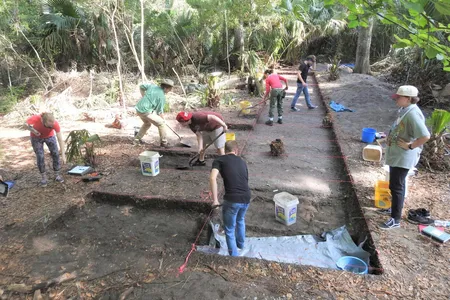
Is This Florida Island Home to a Long-Lost Native American Settlement?
Excavations on Big Talbot Island may have unearthed traces of Saraby, a 16th- or 17th-century Mocama community

Sea Ice on Arctic Coasts Is Thinner Than Previously Thought
Until recently, estimates of sea ice thickness relied on snow measurements gathered between 1954 and 1991
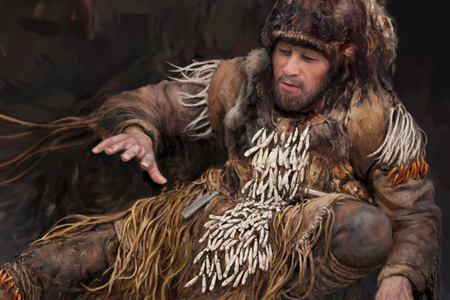
Stone Age People Donned Elk-Tooth Ornaments During Spirited Dance Sessions
Thousand of animal incisors discovered at an 8,000-year-old Russian cemetery may have been valued for their role in keeping a beat
Page 106 of 308