
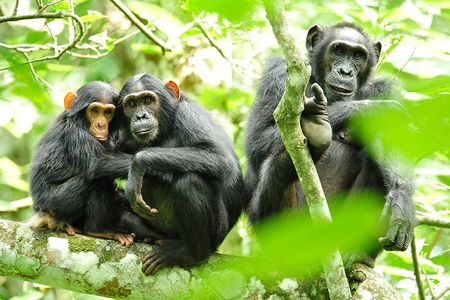
What Does it Really Mean to Be 99 Percent Chimp?
This video breaks down our statistical similarity to chimpanzees
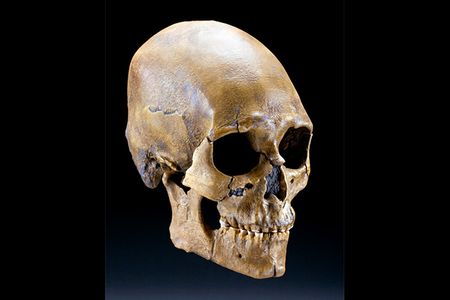
Genome Analysis Links Kennewick Man to Native Americans
Ancient DNA sequenced from the skeleton adds to the controversy over the individual’s ancestry
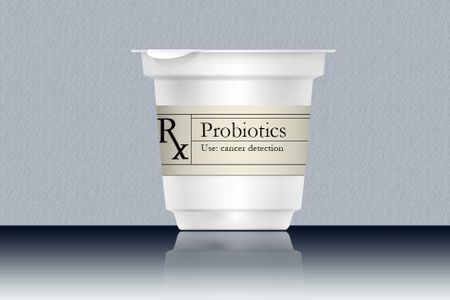
The Same Probiotic That’s In Your Yogurt Could Detect Liver Cancer
Take a dose of this bacteria, genetically altered by scientists at MIT, and your urine will glow if liver cancer is present

How “Meat Banks” Are Helping Farmers Preserve Precious Livestock
Frozen sperm and tissue are being stored to protect commercial animals and help save rare heritage breeds

To Make Lobster Fisheries More Sustainable, Scientists Attempt to Decode Crustacean DNA
As the battle escalates to combat illegal fishing, Smithsonian scientists offer up a possible genetic tool
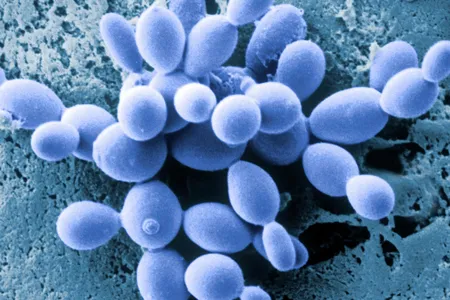
Engineered Yeast Could Open up a DIY Painkiller Market
The modified microbes could also make cheaper and better opiates

DNA Testing Could Identify Litterbugs and Dog Poop Miscreants
Anonymous crimes may not be quite so anonymous anymore
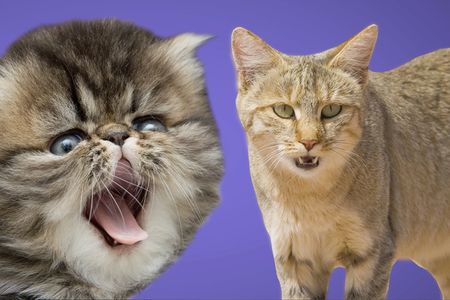
Ask Smithsonian: Are Cats Domesticated?
There is little genetic difference between a tabby and a wild cat, so scientists think the house cat is only domestic when it wants to be
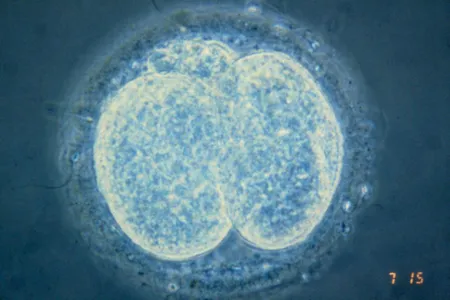
Gene Editing in Human Embryos Ignites Controversy
Chinese researchers have published the results of using a new gene-editing tool on human embryos
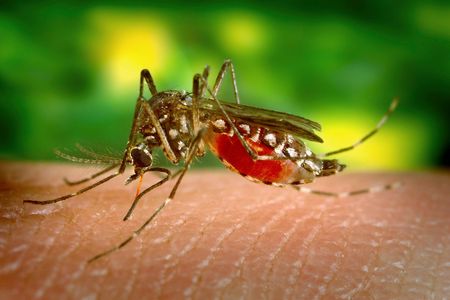
Genes Make Some People More Attractive to Mosquitoes
Certain body odors appear to entice the pesky bloodsuckers—and those smells may be hereditary

Why Syria’s Protecting Seeds From Its War
When civil war broke out in Syria, scientists saved more than 80 percent of a priceless trove of seeds

NASA’s Twin Study May Never Be Published
Privacy concerns could stymie NASA’s study of Scott and Mark Kelly

Centuries of Poison-Laced Water Gave These People a Tolerance to Arsenic
Some citizens of a remote village in the Andes have a genetic adaptation that allows them to quickly process high levels of arsenic, a new study shows
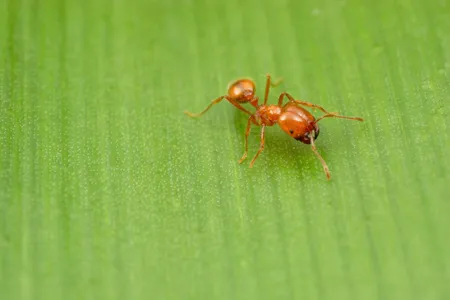
How 16th Century Trade Made Fire Ants an Early Global Invader
By inadvertently stowing away in Spanish ships, one pesky little insect quickly spread throughout much of the world

Would You Like to Grow Color-Changing Flowers?
A Colorado company is working to genetically engineer petunias that change colors throughout the day

As the health of the Great Barrier Reef declines, scientists are hoping “assisted evolution” might keep its coral alive

Scientists Identify a “DNA Clock” That May Help Predict Mortality
New studies on changes to DNA that occur over a lifetime offer insight into an individual’s likelihood of early death
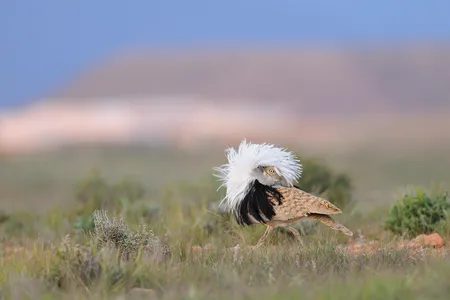
Old Male Bustards Have Less Desirable Sperm
Male birds don’t just lose their female-wooing prowess as they age, but also their ability to sire healthy chicks
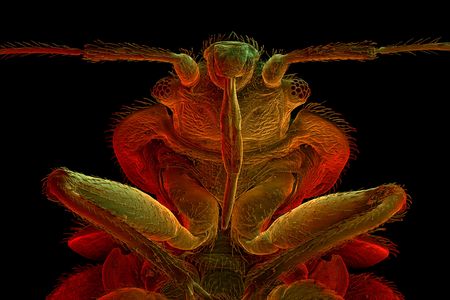
Why We Can Thank Bats for Bedbugs
Scientists have proven through genetics that bats were the first hosts to the pesky parasite before passing them on to ancient humans
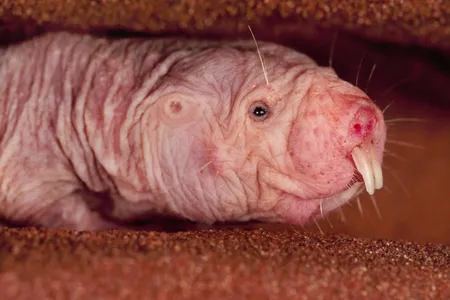
The Secret to a Long Life: Be Cooperative and Live Underground
Naked mole rats enjoy exceptionally long, healthy lives, and there’s more than good genes at work
Page 34 of 39