
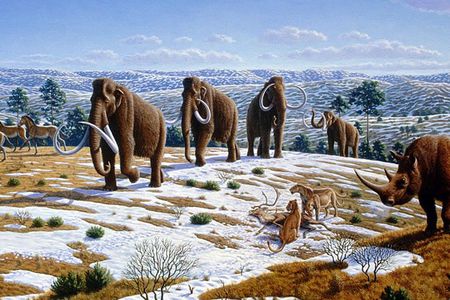
Are Humans to Blame for the Disappearance of Earth’s Fantastic Beasts?
100,000 years ago, giant sloths, wombats and cave hyenas roamed the world. What drove them all extinct?
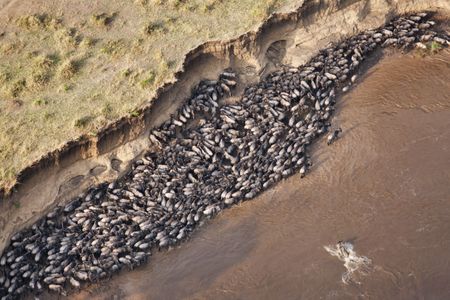
The Upside of Rotting Carcasses
Large animals dying en masse are crucial to the the Serengeti—and they aren’t the only ones

Meet 10 Depression-Era Photographers Who Captured the Struggle of Rural America
Two women and eight men were sent out with their cameras in 1930s America. What they brought back was an indelible record of a period of struggle
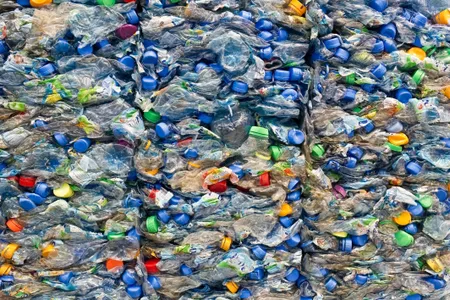
Humans Have Produced Nine Billion Tons of Plastic and Counting
Over half of that material was created in the last decade
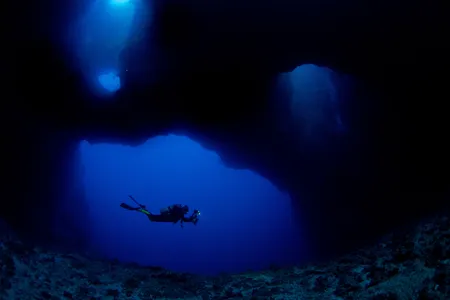
Why The First Complete Map of the Ocean Floor Is Stirring Controversial Waters
Charting these watery depths could transform oceanography. It could also aid deep sea miners looking for profit
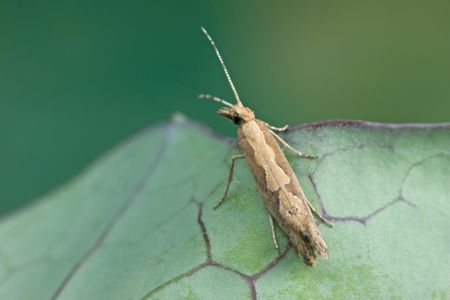
Genetically Modified Moth May Soon Be Coming to New York Crops
The move is an attempt to limit crop damage by the diamondback moth
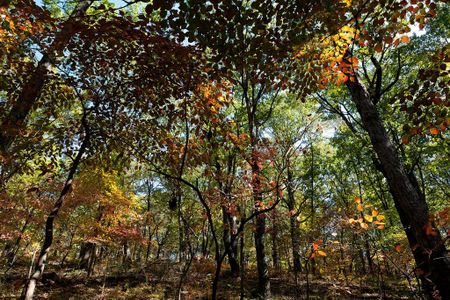
Why Do We See More Species in Tropical Forests? The Mystery May Finally Be Solved
Surveying 2.4 million trees showed that predators may help keep the trees at sustainable levels
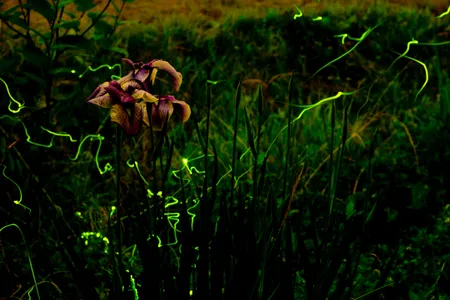
Illuminating the Secret Language of Lightning Bugs
For these light-up lovers, each flash in the night could mean sex or death
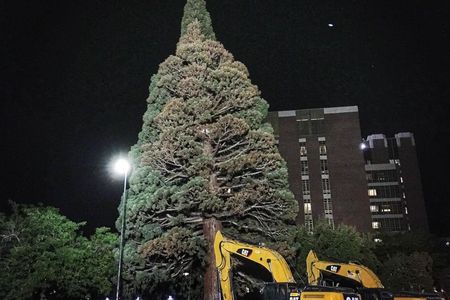
Watch a 100-foot-tall Giant Sequoia Get Transplanted in Boise
A gift from John Muir, the beloved tree was transferred to a local park by St. Luke’s Medical Center so the facility can expand
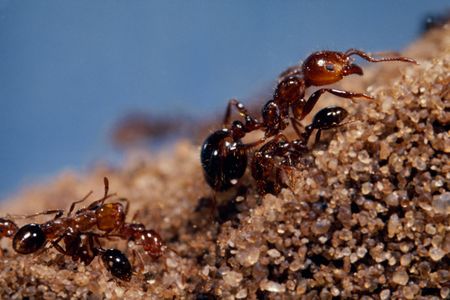
How Humans Helped Ants Invade the World
Waves of globalization brought these warriors to new shores, where certain species spread like wildfire
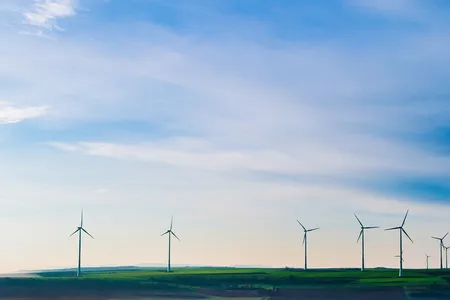
Two Myths and One Truth About Wind Turbines
From the cost of turbines to one U.S. senator’s suggestion that “wind is a finite resource”
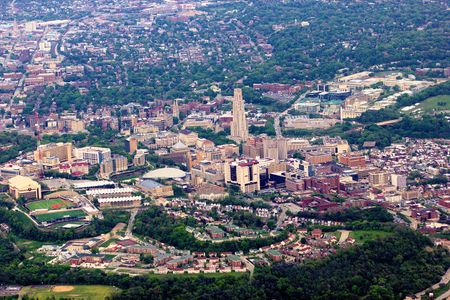
Pittsburgh Has Surged Post-Steel, but Many in Rusting Region Still Struggle
A historian notes how Pittsburgh’s tech-driven boom hasn’t reached everyone in western Pennsylvania
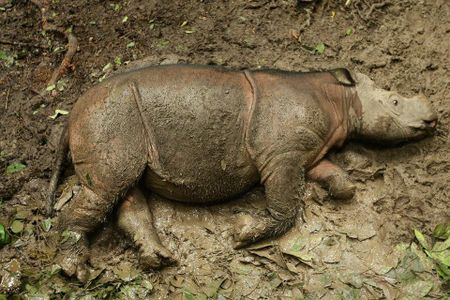
One of Malaysia’s Last Sumatran Rhinos Has Died
After performing emergency surgery on Puntung, experts realized that the abscess was caused by cancer
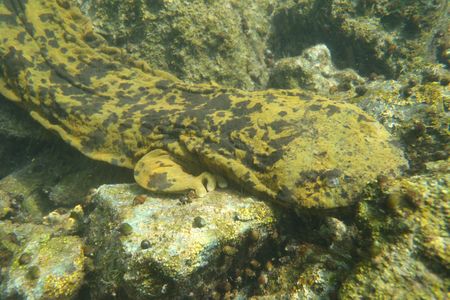
What the Heck Is a Hellbender—And How Can We Make More of Them?
Why the Saint Louis Zoo decided to invest in this slimy, surprisingly adorable amphibian
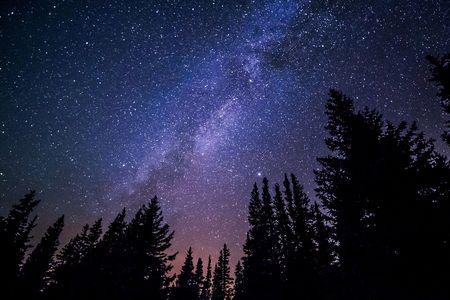
Is Light Pollution Really Pollution?
As countries grow richer, light pollution gets worse–but some are fighting to change that

Which of Your Favorite Superheroes Is Destroying the Earth?
Measuring the carbon footprints of your favorite comic book heroes, from Batman to Jessica Jones
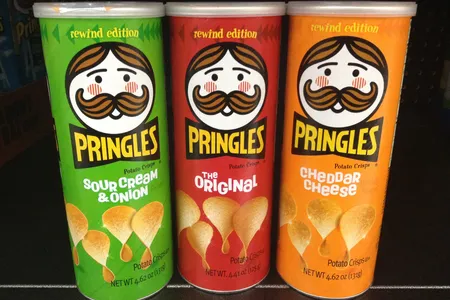
Pringles: Snacktime Hero or Recycling Villain?
The UK Recycling Association speaks out against hard-to-recycle products

One Man Invented Two of the Deadliest Substances of the 20th Century
Thomas Midgley Jr.’s inventions have had an outsize impact—not all of it good—on humankind
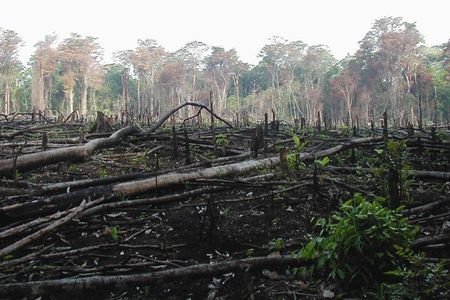
Cocaine Is Destroying Forests in Central America
Once-forested lands are being used in money laundering operations
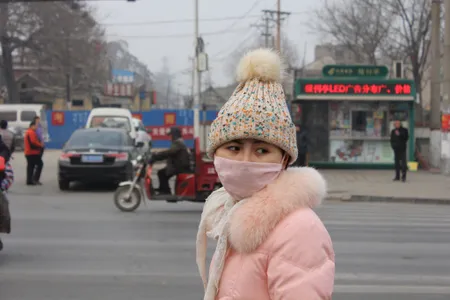
Dust May Help, Not Harm, Air Pollution in China
When it comes to some of Earth’s smoggiest cities, less dust isn’t necessarily better
Page 33 of 50