
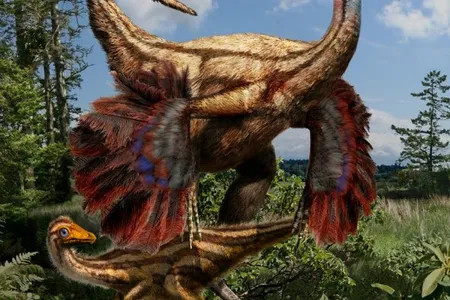
Feathery Ostrich Mimics Enfluffle the Dinosaur Family Tree
A trio of feathered dinosaurs tests a longstanding hypothesis and hint that there may be more feathered dinosaur fossils than anyone ever expected
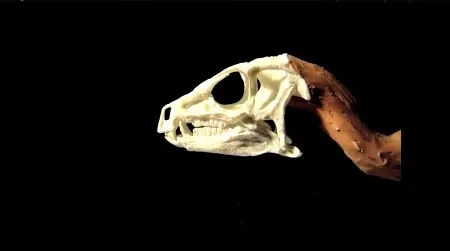
Paleontologists have known about Heterodontosaurus for decades, but a new restoration of the dinosaur shows just how freaky it was
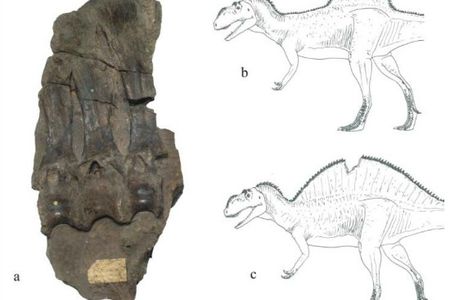
For over a century and a half, paleontologists have been confounded by the sail-backed carnivore Becklespinax. What did this dinosaur really look like?
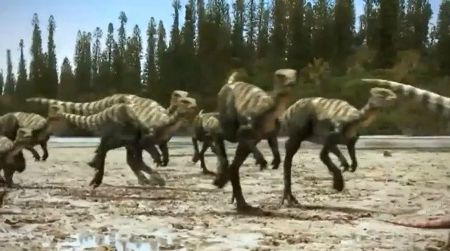
Dinosaur Stampede, the Musical
What caused Australia’s dinosaur stampede? A short musical performance suggests an answer
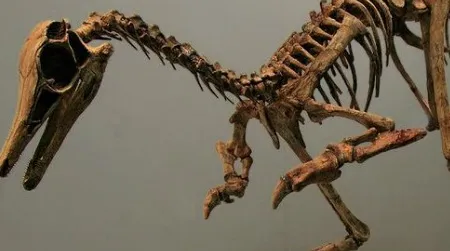
The weird alvarezsaurs look perfectly-adapted to eating termites, but how can we find out what they really ate?

The Saddest Dinosaur Cartoon Ever
Mountain of Dinosaurs, from 1967, uses extinction as a metaphor for Soviet oppression
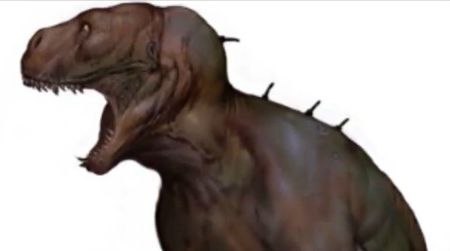
Jurassic Park 4′s Discharged Dinosaur Soldiers
Some scrapped Jurassic Park 4 designs show the movie’s insane ideas for dinosaur soldiers
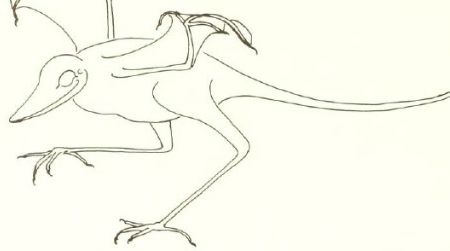
The Bat-Winged Dinosaur That Never Was
Just when naturalists began to suspect that birds might be dinosaurs, one researcher put forward a truly strange idea of what early bird ancestors would have looked like
Did T. rex use its tiny arms to do push-ups?
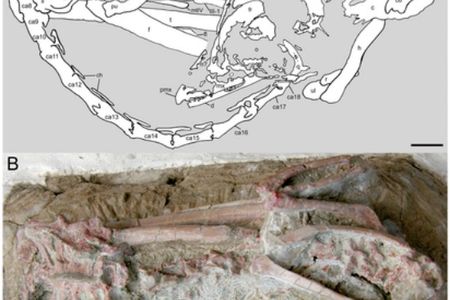
A lovely little fossil shows how some dinosaurs said goodnight

A delicately-balanced domino setup replays the end of the Age of Dinosaurs
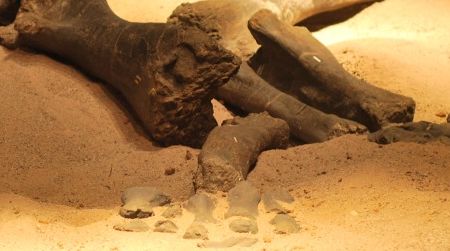
Haplocanthosaurus–A Morrison Mystery
Without a skull, determining the dinosaur’s relationships is difficult
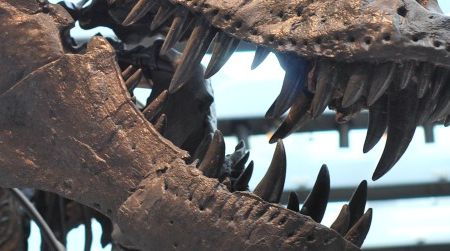
Paleontologists have named scores of dinosaurs, but why is T. rex our favorite?
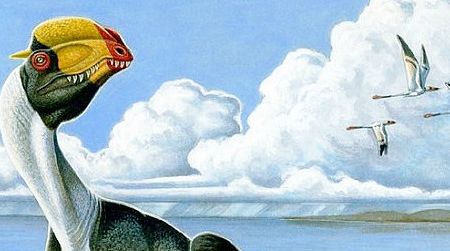
Dilophosaurus – An Early Jurassic Icon
Tracks made by a 20-foot predatory dinosaur have been found in rock from Connecticut to Arizona, but who made the tracks?
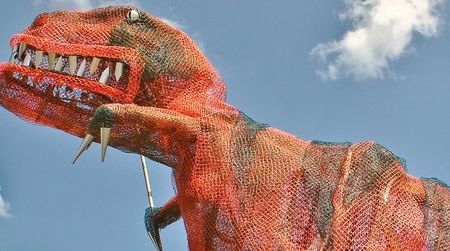
Dinosaur Sighting: Recyclosaurus
A reader shows us a snapshot of a spare-parts dinosaur
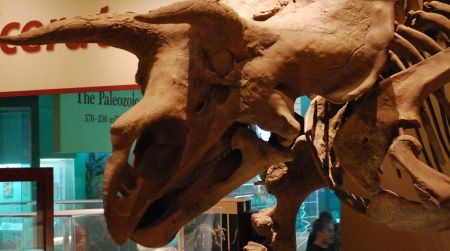
Triceratops was an awesome dinosaur, but, despite one site’s claim, it wasn’t equipped with poisonous quills
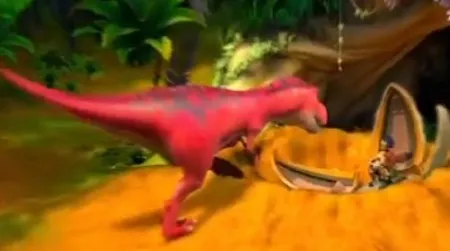
Dino Time Botches Dino Feathers
Feathered dinosaurs are wonderful, but DinoTime 3D makes them look stupid
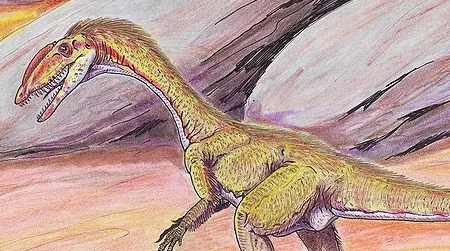
Carnivorous theropod dinosaurs were thought to be hydrophobic, but swim tracks show that these predators at least sometimes took a dip in lakes and rivers
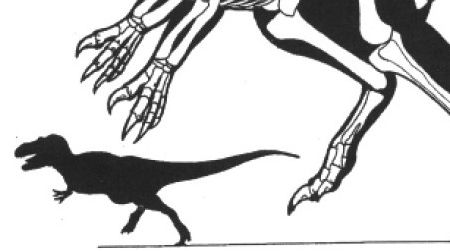
What Kind of Dinosaur is Godzilla?
Everyone knows that Godzilla is a radioactive dinosaur, but just what sort of dinosaur is the famous monster?
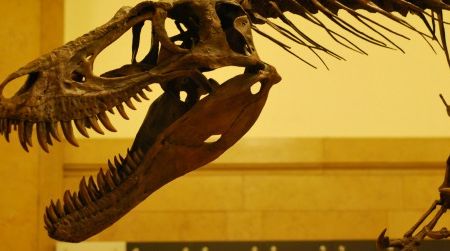
The Awkwardness of Tyrant Teens
Adult T. rex had the most powerful bite of any creature to walk the earth, but they had to grow into that destructive power
Page 29 of 79