
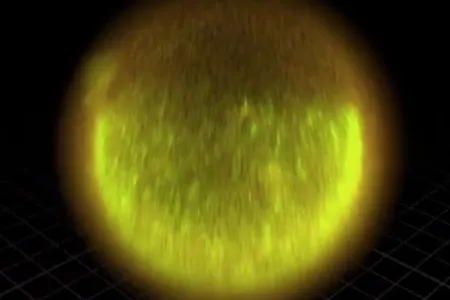
When Sperm Meets Egg, Zinc Sparks Fly
Billions of tiny zinc particles explode from the surface of mammalian eggs when a sperm cell touches down

Why the Pantheon Hasn’t Crumbled
Ancient Roman concrete has some benefits over modern equivalents
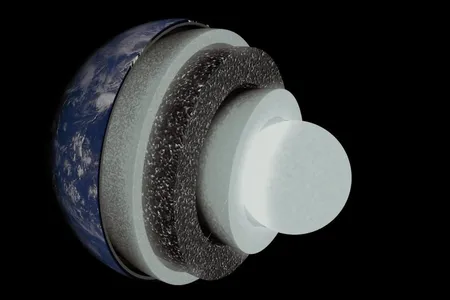
What We Can Learn by Digging Up the Secrets of Earth’s Deep Carbon
Diamond computers and subsurface life are just some of the topics being investigated by scientists in the Deep Carbon Observatory network

Pollution Is Turning the Taj Mahal Brown
Workers must periodically cover the Taj Mahal in clay to remove the pollutants stuck to its marble walls
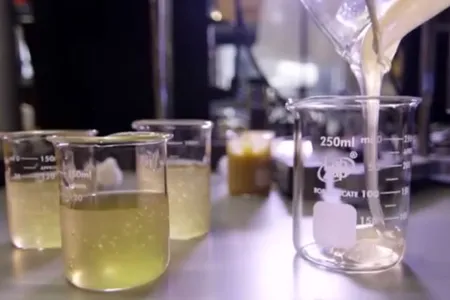
This Plant-Based Gel Stops Bleeding in Seconds
A salve that seals severe wounds is making its way to veterinary clinics. Military and trauma testing may soon follow
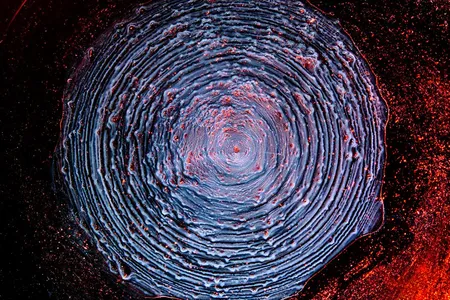
The Physics of Whisky’s Aesthetically Pleasing Residue
A photographer teamed up with scientists to figure out the fluid dynamics behind patterns left in whisky glasses

No, “Bath Salts” Won’t Turn You Into a Cannibal
But now we have a better idea what the latest generation of the drugs is really doing to your brain

The Philae Spacecraft Confirmed the Presence of Organic Molecules on the Comet it Landed On
Researchers hope the finding sheds light on how organic molecules might have first arrived on Earth
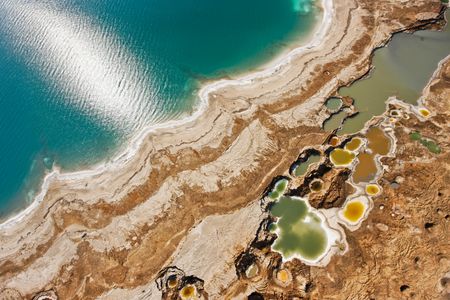
Drop This Capsule Into a Stream and It Will Screen For Pollution
Researchers have developed a sensor (no batteries required) that creates a barcode indicating the amount of pollutants and their whereabouts in water
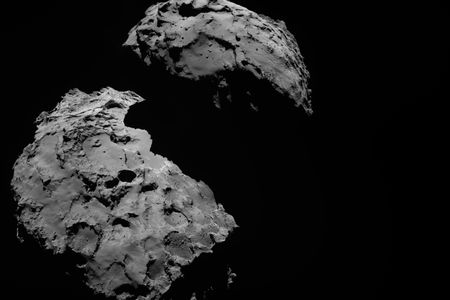
Rosetta’s Comet Smells Really, Really Bad
If you could breathe in space, you wouldn’t want to breathe this air
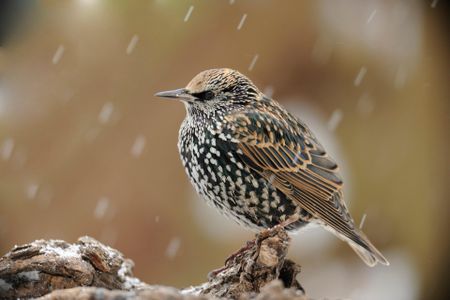
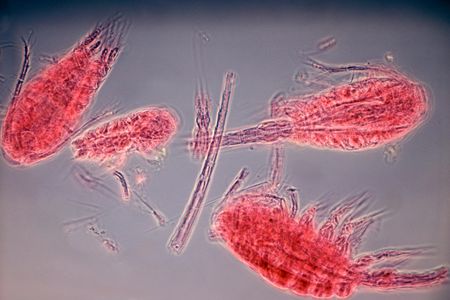
Zooplankton and Krill “Pee” Helps Determine Ocean Chemistry
Tiny marine life’s expelled ammonia fuels important chemical reactions

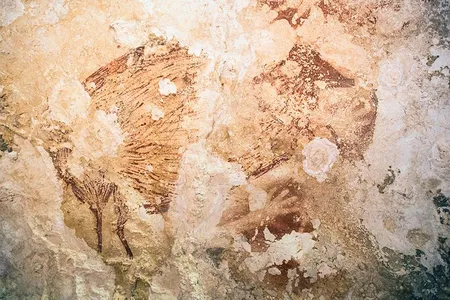
Rock (Art) of Ages: Indonesian Cave Paintings Are 40,000 Years Old
Cave paintings of animals and hand stencils in Sulawesi, Indonesia, seem to be as old as similar cave art in Europe

Good-bye, Dry Cleaning. Hello, Self-Cleaning Cashmere
Researchers in Hong Kong have developed a nano-coating that cleans fabric when exposed to light
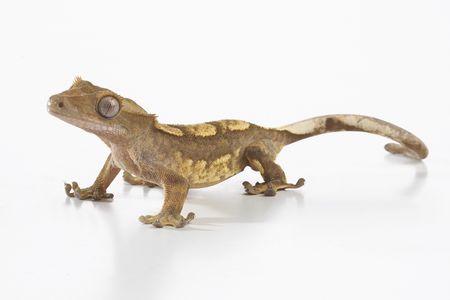
Geckos Can Control the Movement of Their Toe Hairs
Geckos take advantage of van der Waals forces to run across ceilings, but a simple shift allows them to drop to the ground
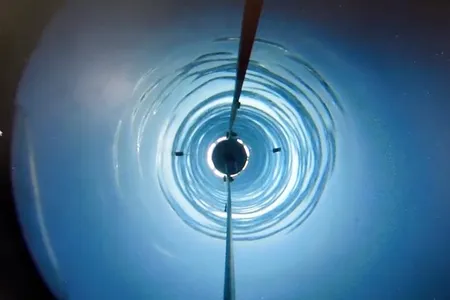
Thousands of Microbe Species Live in This Buried Antarctic Lake
Drilling through half a mile of ice let scientists uncover the first solid evidence of life in a subglacial lake
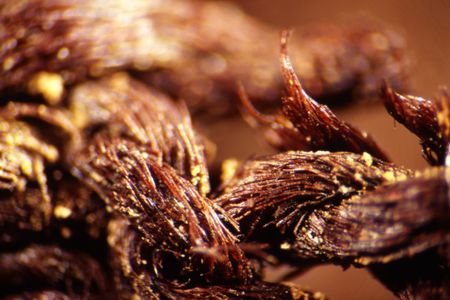
Egyptians were embalming their dead as far back as 4,100 B.C.

Another Horribly Botched Execution Reveals Ongoing Flaws in Lethal Drug Cocktails
The execution of Arizona inmate Joseph Wood took nearly two hours
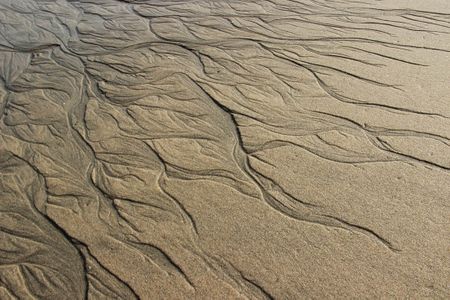
Who Knew Fungi and Fruit Fly Ovaries Could Be So Beautiful?
Princeton University’s annual science art contest shines a light on the research world, adding a video element this year
Page 23 of 25