
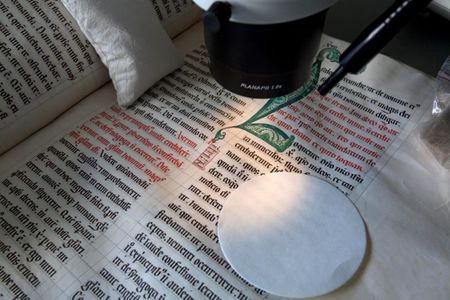
Researchers Follow a 15th-Century Recipe to Recreate Medieval Blue Ink
The purplish-blue pigment, derived from a Portuguese fruit, fell out of use by the 19th century
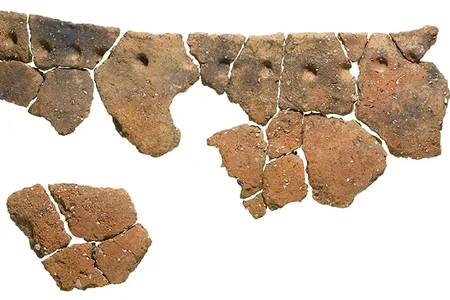
Traces of Millennia-Old Milk Help Date Pottery Fragments to Neolithic London
These dairy products are no longer edible, but they’re still valuable to researchers
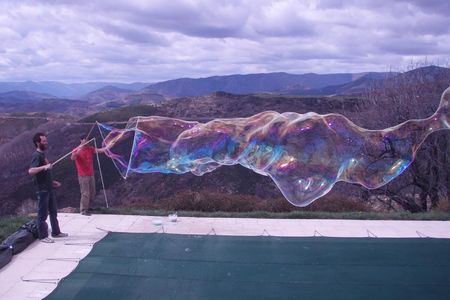
Here’s How to Blow the Perfect Giant Soap Bubble, According to Physics
Sometimes, science really blows
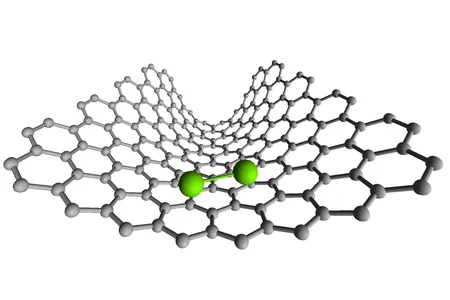
Watch First-Ever Footage of Atoms Forming and Breaking Bonds
The team used transmission electron microscopy to film the atoms dancing down a carbon nanotube

Eight Innovators to Watch in 2020
From plastic recycling pioneers to landmine foes, these dreamers have big plans for the coming year
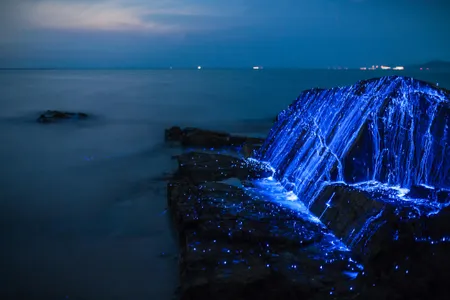
How Studying Bioluminescent Creatures Is Transforming Medical Science
The natural light of insects and sea creatures can help doctors illuminate H.I.V. and even kill cancer cells

Development of the Lithium-Ion Battery Earns Nobel Prize in Chemistry
The award honors three scientists whose contributions led to the rechargeable battery that makes our modern world possible

Three medical scientists will share the award for further explaining how the body responds to oxygen abundance
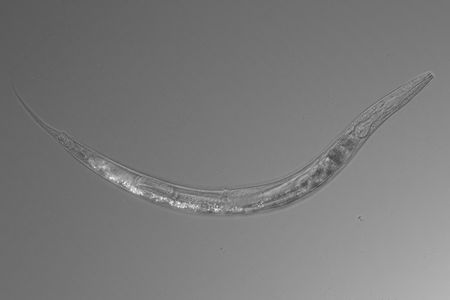
California’s Saltiest Lake Is Home to This Arsenic-Resistant, Three-Sexed Worm
Prior to their discovery, only two species could survive in the super-salty, highly alkaline lake in the Sierra Nevada mountains
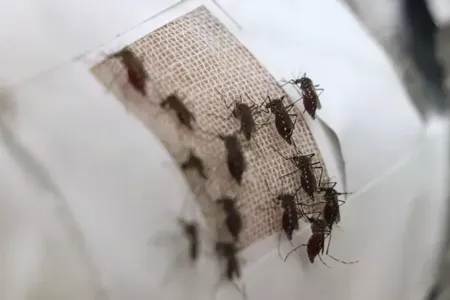
Graphene-Coated Fabric Causes Mosquitoes to Buzz Off
Researchers found the insects can’t penetrate thin layers of the wonder material, which also blocks the scent of human sweat

Could a Rusty Bridge Generate Electricity?
New research shows that water flowing over thin layers of rust can generate power
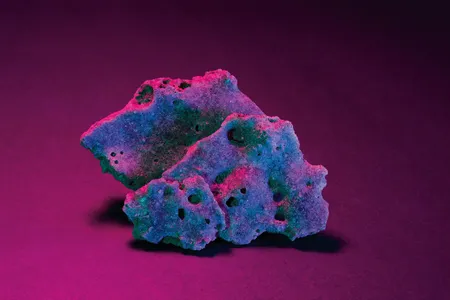
A Chunk of Trinitite Reminds Us of the Sheer, Devastating Power of the Atomic Bomb
Within the Smithsonian’s collections exists a telltale trace of the weapon that would change the world forever
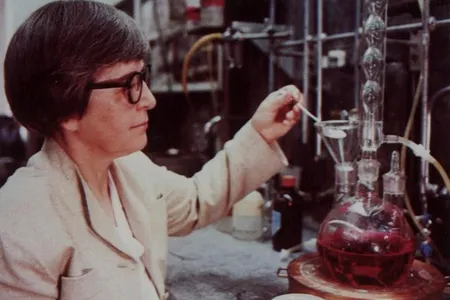
You Can Thank Chemist Stephanie Kwolek for Bulletproof Vests and Yoga Pants
The long-serving researcher at DuPont invented kevlar and contributed to spandex
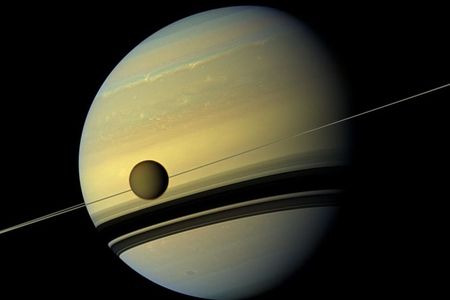
Dragonfly Spacecraft to Scour the Sands of Titan for the Chemistry of Life
The NASA rotorcraft, resembling a large quadcopter drone, will fly through the orange clouds of the ocean moon in the outer solar system
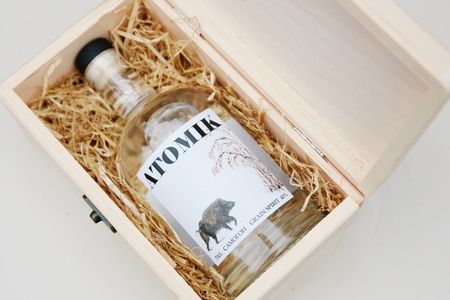
Why Scientists Are Making Vodka in the Chernobyl Exclusion Zone
It’s perfectly safe to drink, according to a new report

Searching for the Key to Life’s Beginnings
From exoplanets to chemical reactions, scientists inch closer to solving the great mystery of how life forms from inanimate matter
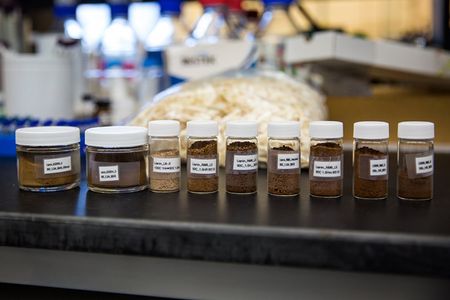
Researchers Develop Plant-Based, Eco-Friendly Method to Produce Tylenol
Current manufacturing processes rely on coal tar, which is produced using fossil fuels
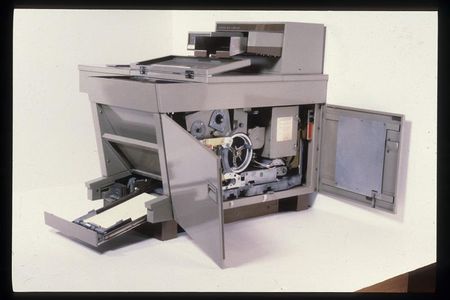
How Xerox’s Intellectual Property Prevented Anyone From Copying Its Copiers
The company used patents and trademarks to develop a line of machines based on inventor Chester Carlson’s ‘electrophotography’
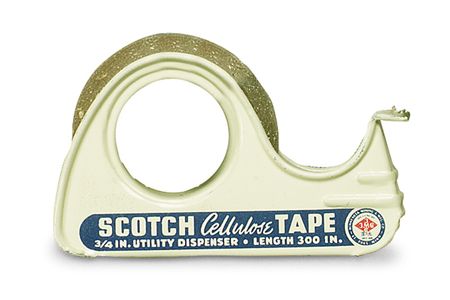
How the Invention of Scotch Tape Led to a Revolution in How Companies Managed Employees
College dropout Richard Drew became an icon of 20th century innovation, inventing cellophane tape, masking tape and more
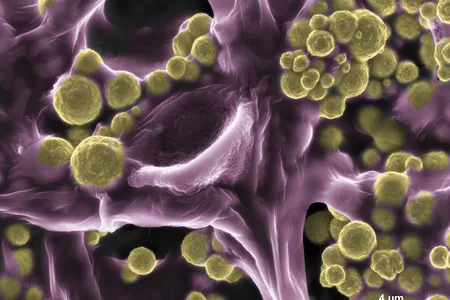
Scientists Discover Fungus That Collects Gold From Its Environment
The Australian fungus could help miners find the next generation of underground gold deposits
Page 12 of 25