

The Middle East Is a Treasure Trove of Natural Wonders. Now It Has a Museum to Show Them Off
Everything from early human skulls to priceless taxidermy relics will be on display in the ark-shaped museum
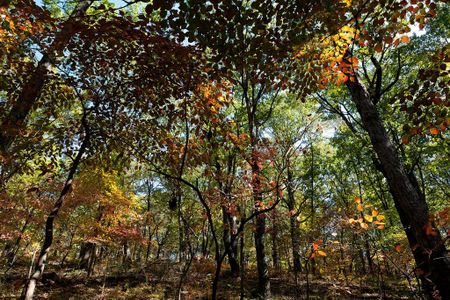
Why Do We See More Species in Tropical Forests? The Mystery May Finally Be Solved
Surveying 2.4 million trees showed that predators may help keep the trees at sustainable levels
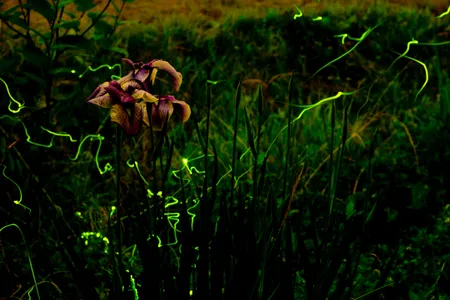
Illuminating the Secret Language of Lightning Bugs
For these light-up lovers, each flash in the night could mean sex or death
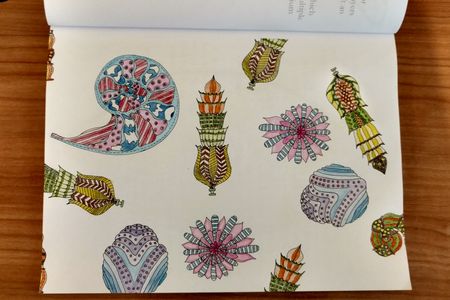
These Fanciful Microbes Need Your Coloring Skills
A vast microscopic world writhes around you. Now a coloring book lets you bring wee beasts and beauties to life
Do Other Animals Have Baby Teeth and More Questions From Our Readers
You asked, we answered
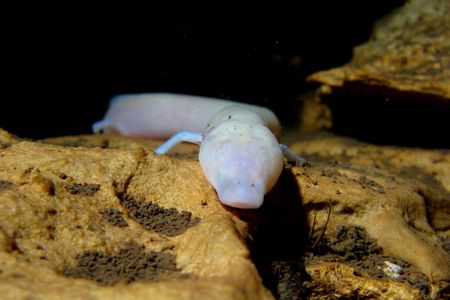
Cave Dragons Exist—And Saving Them Could Be Key to Protecting Drinking Water
New DNA techniques are letting researchers track down the largest, strangest cave animals in the world
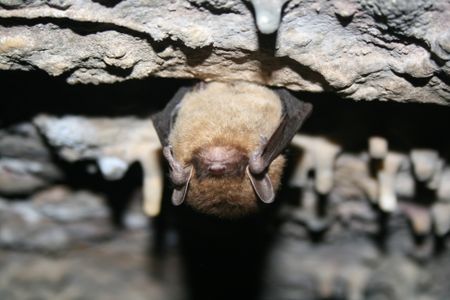
The Little Brown Bat’s Mighty Talent
Accounting for body size, the little brown bat lives longest of any mammal–but no one knows why

How Moonlight Sets Nature’s Rhythms
Lunar luster triggers mating orgies, guides travelers and even can even provoke magical transformations
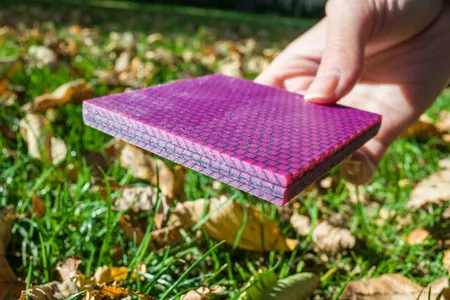
This Conch-Shell Inspired Material Could Make Helmets and Body Armor Safer
Scientists from MIT are using structures that evolved over millions of years to strengthen protective gear
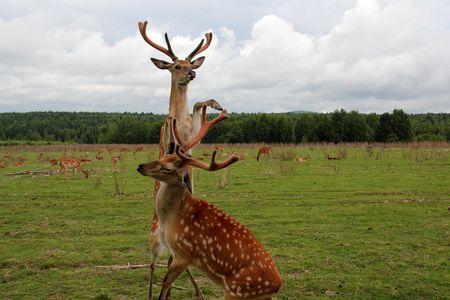
Antlers Are Miraculous Face Organs That Could Benefit Human Health
There’s so much more to deer antlers than fighting and impressing the ladies
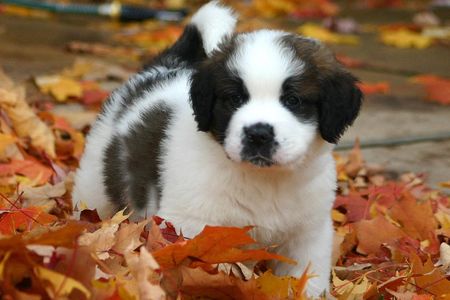
Wolves and Dogs Both Have a Sense of Fairness
But wolves seem to take inequity much more seriously than dogs
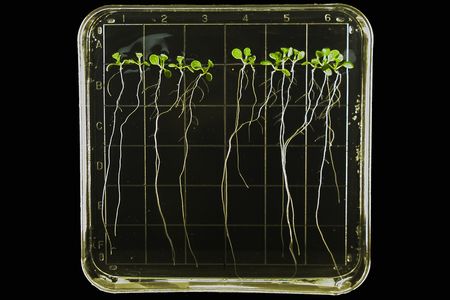
Seeds May Use Tiny “Brains” to Decide When to Germinate
Two clumps of cells send hormone signals to each other to help determine when the time has come to sprout

Sliver of Saint’s Brain Stolen From Italian Basilica
Police are looking for the person or persons who swiped the sacred relic from the Don Bosco Basilica
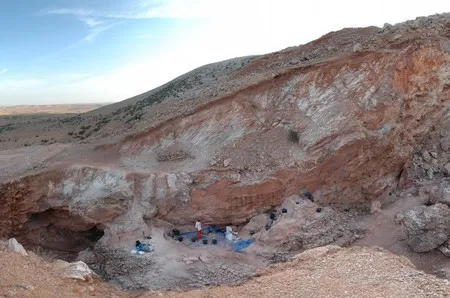
The Science Behind the Discovery of the Oldest Homo Sapien
We need both genetics and anthropology to solve the mysteries of human origins, says a researcher on the team

How Sunscreen Protects Your Skin’s DNA
The chemistry behind this protective lotion reflects a modern understanding of the danger of ultraviolet rays
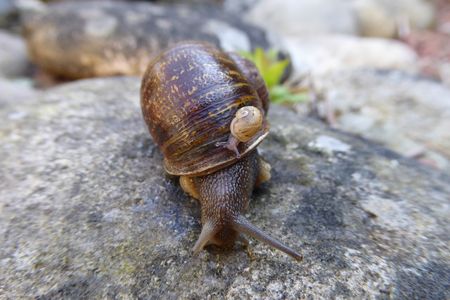
A Lonely Snail With an Unusual Shell Strikes Out in Love
Researchers brought Jeremy two potential partners who went on to mate with each other
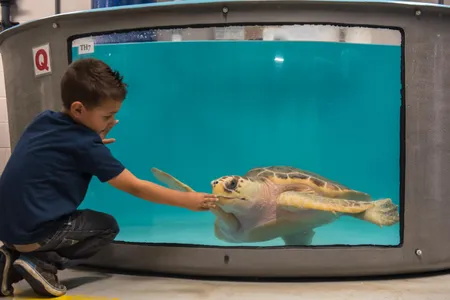
A State-of-the-Art Sea Turtle Hospital Welcomes Patients and Visitors in South Carolina
The South Carolina Aquarium invites tourists to visit their reptilian patients, watch surgeries and even conduct mock operations using VR

Tweaking the Tiny Electrical Charges Inside Cells Can Fight Infection
It works in tadpoles. Could it work in humans?
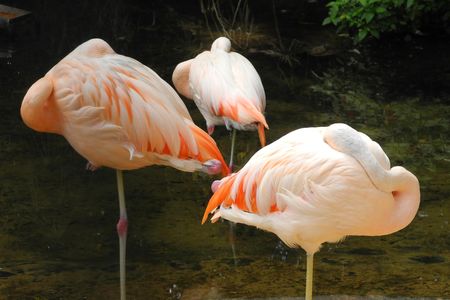
How Do Flamingos Stay Stable On One Leg?
They’re actually more stable standing on one leg than they are on two

The Key to Protecting Life on Earth May Be Barcoding It
An easier way to read DNA is helping scientists tease apart species and ecosystems in nuanced ways
Page 61 of 108