
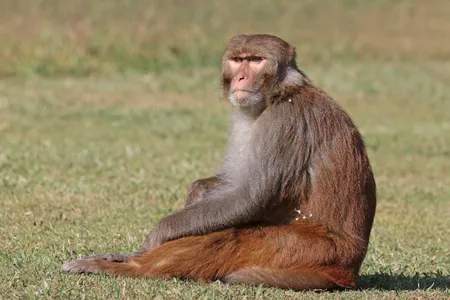
Two macaques learned to keep time with various songs, which might point to how humans got their sense of rhythm. But some scientists doubt that the primates’ feat, which required extensive instruction, can give evolutionary clues
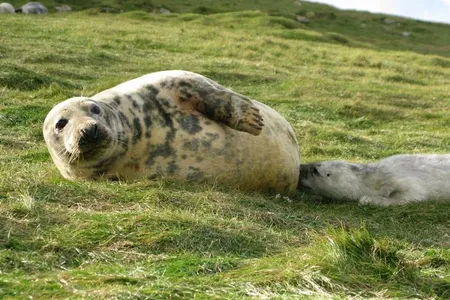
A new study found 332 types of complex sugar molecules in the seals’ milk, some of which help protect young from harmful bacteria. The discovery might one day help improve human health by boosting babies’ immune systems
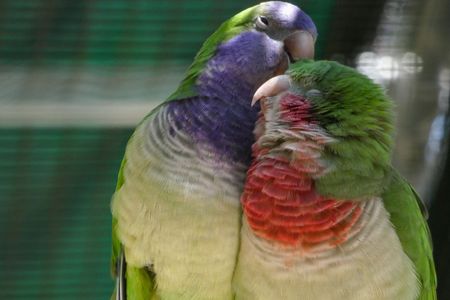
Monk Parakeets Are Highly Social Birds, but They Slowly ‘Test the Waters’ When Making New Friends
The bright green parrots start with low-cost social behaviors—like sitting near each other without touching—when first interacting with unfamiliar birds within their species, possibly to avoid aggressive encounters, new research suggests
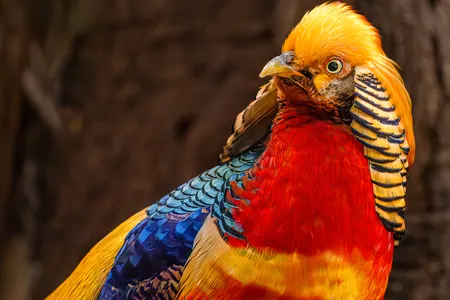
The adornments on the heads of male Lady Amherst’s and golden pheasants partially block their sight, according to new research, marking the first known sex-based differences in field of vision within bird species
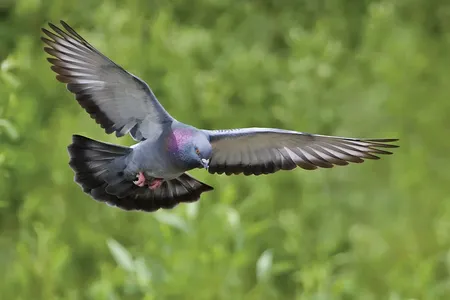
The vestibular system, a set of structures in the inner ears that helps with balance, may grant the birds their special ability
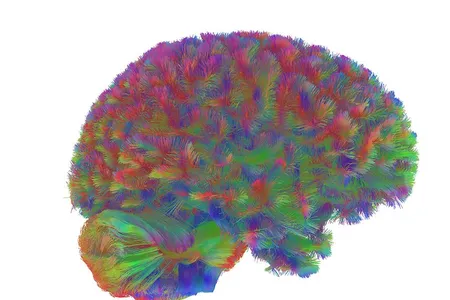
These eras of brain architecture are marked by four major turning points, which occur around the ages of 9, 32, 66 and 83, according to a new study
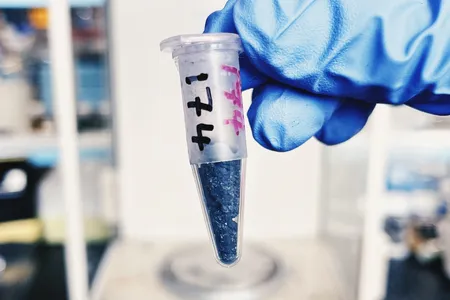
The new approach looks at the distribution of molecular fragments in material, allowing for broad surveys in degraded specimens
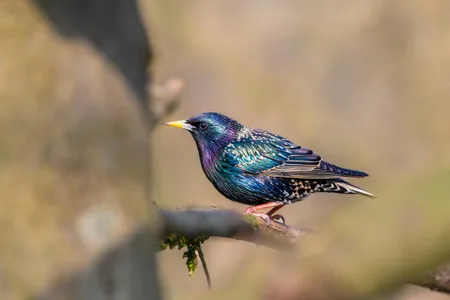
European starlings were better than parrots at imitating R2-D2’s high-pitched chattering, possibly because of their special control over a vocal organ
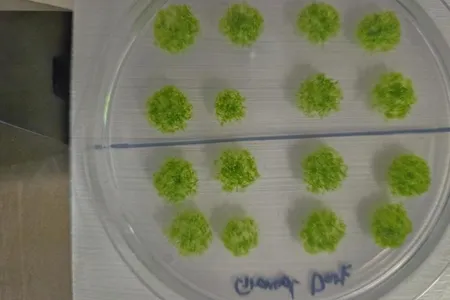
While lunar gardens are still out of reach, the study sheds more light on terrestrial biology that may not be limited to our planet’s surface
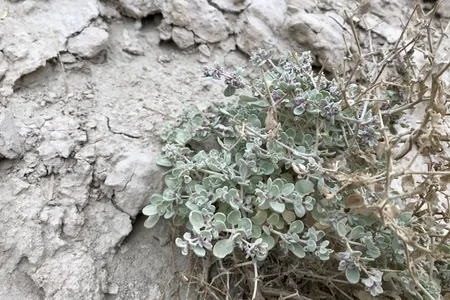
Tidestromia oblongifolia thrives in high heat—and scientists think it may hold the key to making food crops more resilient amid global warming
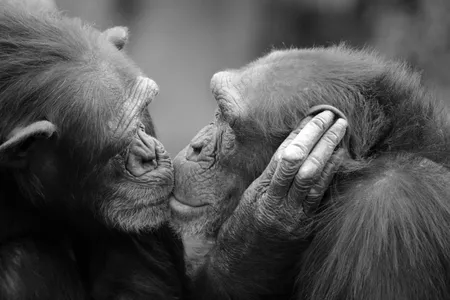
How Did Humans End Up Smooching on the Lips? It May Have Started Out With a 21-Million-Year-Old Kiss
Our ancient primate relatives—including Neanderthals—may have enjoyed a nice peck on the lips. But researchers still don’t know why we do it
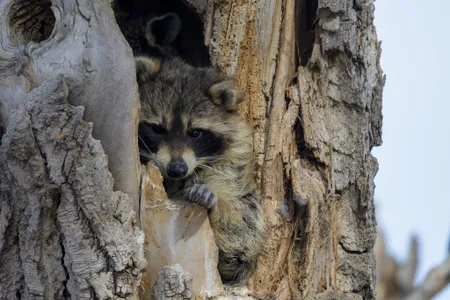
The shorter faces of these city-dwelling trash bandits offer a telltale sign of domestication and line up with a leading hypothesis about animals that adapt to human-dominated environments, according to a new study
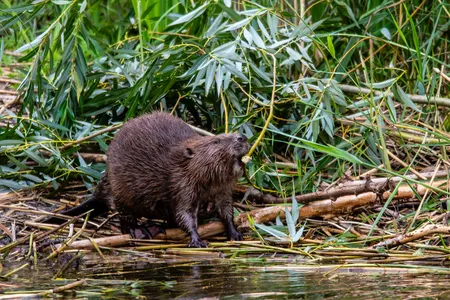
Two new studies suggest that the semi-aquatic rodents provide food and habitat for bats and pollinator insects within their engineered ecosystems
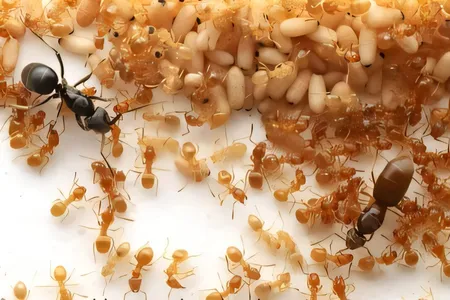
While ant queen violence is well-known, scientists recently documented the first evidence of parasite-induced matricide
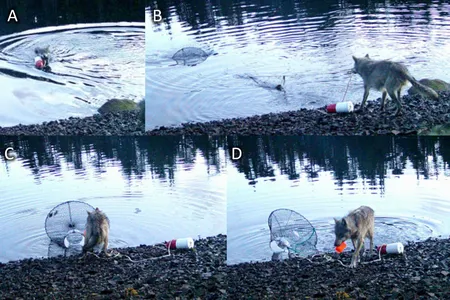
Footage from British Columbia shows just how intelligent wild wolves can be, but scientists are divided as to whether the behavior constitutes tool use
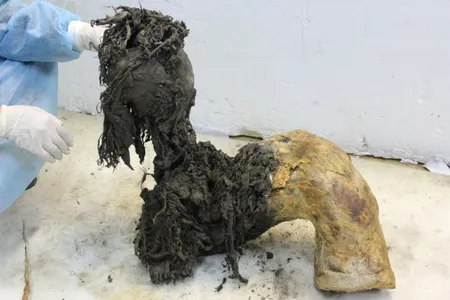
The frozen remains of a juvenile woolly mammoth named Yuka preserved details about the animal’s last moments alive
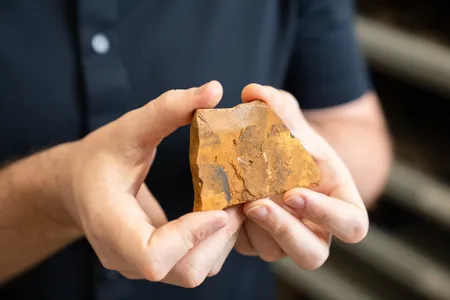
This Amateur Fossil Hunter Discovered a 151-Million-Year-Old Insect—and It’s a New Species
Retired teacher Robert Beattie, now 82, has been digging up remnants of the past ever since he was a child
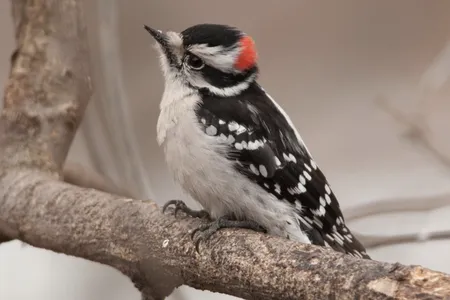
Downy Woodpeckers ‘Grunt’ as They Turn Their Bodies Into Hammers to Drill Into Trees
Researchers studied the combination of muscles and breaths that the tiny birds use as they strike trees with their beaks
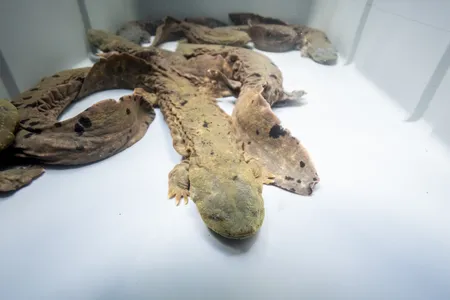
Eastern hellbenders, the largest amphibians in North America, are in trouble, but conservationists are hard at work to help the wrinkled wonders survive
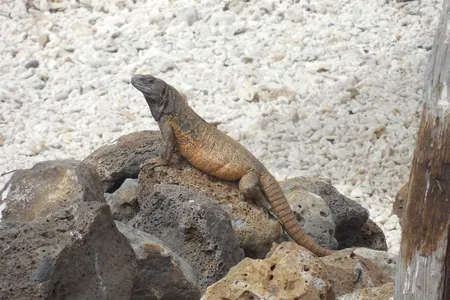
The spiny-tailed iguanas of Clarion Island predate human presence in the Americas by tens of thousands of years, researchers say
Page 13 of 108