Subscribe to Smithsonian magazine and get a FREE tote.

Amphibians

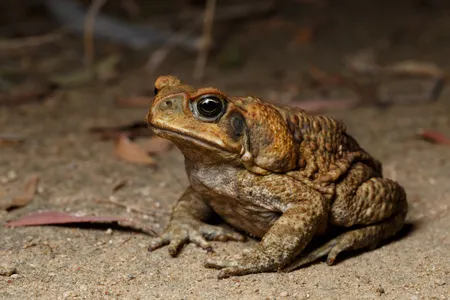
In hopes that they could control destructive cane beetles, people introduced cane toads to Australia in 1935. Instead, the amphibian's population exploded, and today, cane toads number roughly 200 million.

Scientists Create Gene-Edited ‘Peter Pan’ Tadpoles That Could Control Invasive Cane Toads Through Cannibalism

To combat one of Australia’s most troublesome species, researchers are developing hungry tadpoles that never grow up
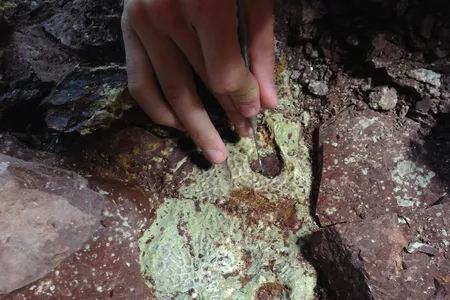
A skull of the Triassic amphibian Buettnererpeton bakeri gets uncovered for the first time in 230 million years. Researchers found it in a cache of skeletons that were well-preserved and appear to be relatively undisturbed over time.

Enormous, Crocodile-Sized Amphibians Mysteriously Died Together in Wyoming 230 Million Years Ago

Paleontologists found a group of four-legged Triassic creatures preserved in the same bone bed—but they don’t know what killed the animals
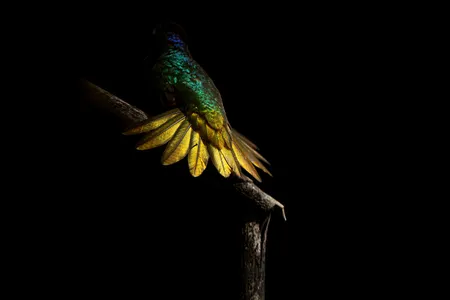
The finished national anthem included the calls of 41 birds.

How Scientists and Composers Teamed Up to Create a Stunning Natural Version of Colombia’s National Anthem

A team trekked for two weeks and collected the sounds of birds, frogs, a jaguar and whales in order to make the song
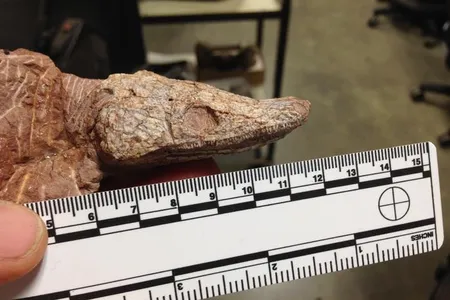
A fossil skull of a prehistoric amphibian, found in a 230-million-year-old burrow in Wyoming, turned out to be from an unknown species.

A Paleontologist Cracked Open a Rock and Discovered a Prehistoric Amphibian With a Clever Survival Strategy

Named “Ninumbeehan dookoodukah” by Eastern Shoshone students and elders, the creature burrowed in riverbeds to stay moist during extreme droughts

Page 2 of 2