
The Arctic Polar Vortex Is Collapsing Earlier in the Season Than Ever Documented—but We Don’t Know How It’ll Affect Global Weather
A previous polar vortex disruption contributed to the Great Texas Freeze in 2021. This time, the ongoing “super” El Niño might offset some of the collapse’s influence

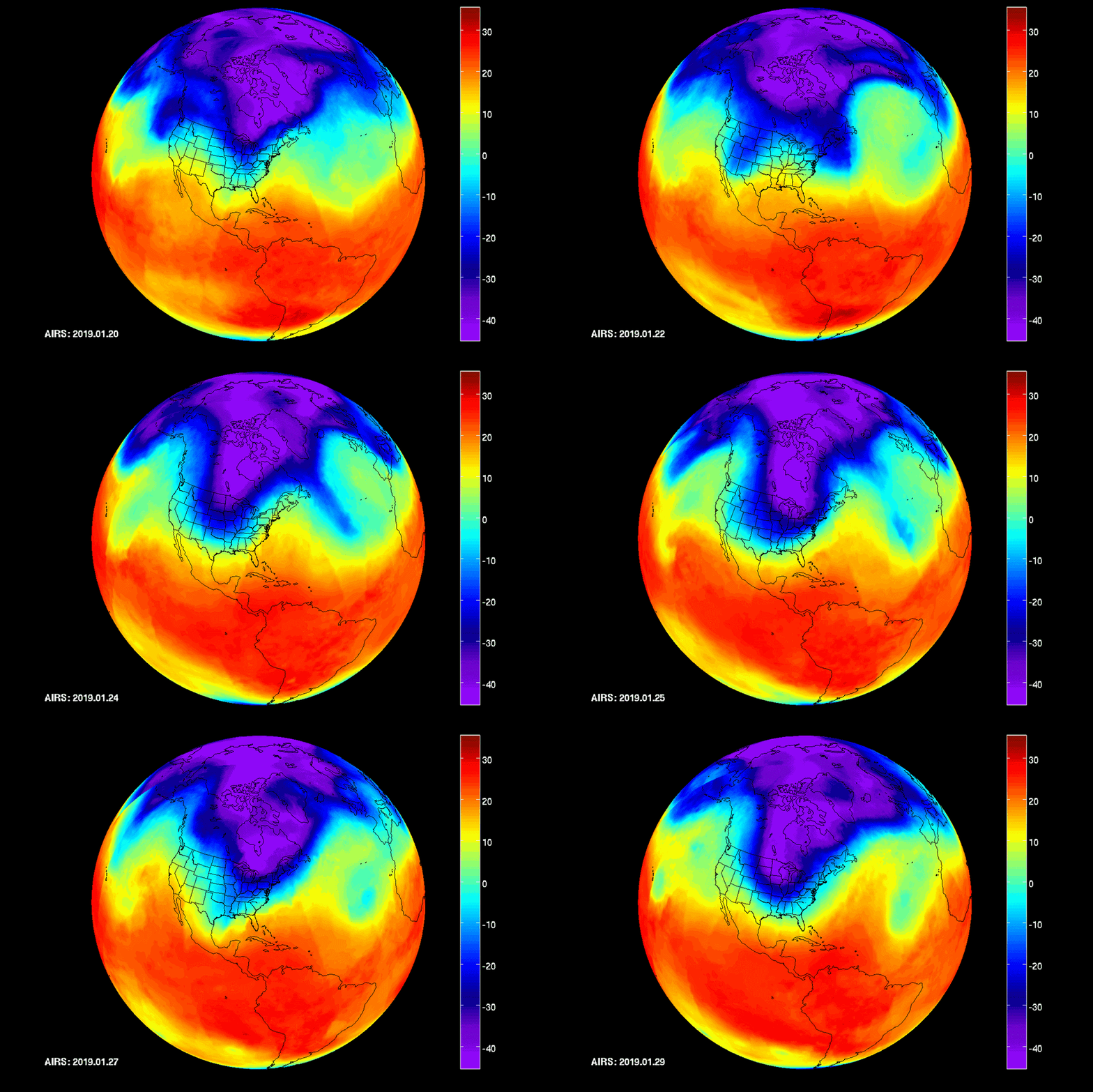
Something strange is happening in the skies above the Arctic: the polar vortex is collapsing unusually early.
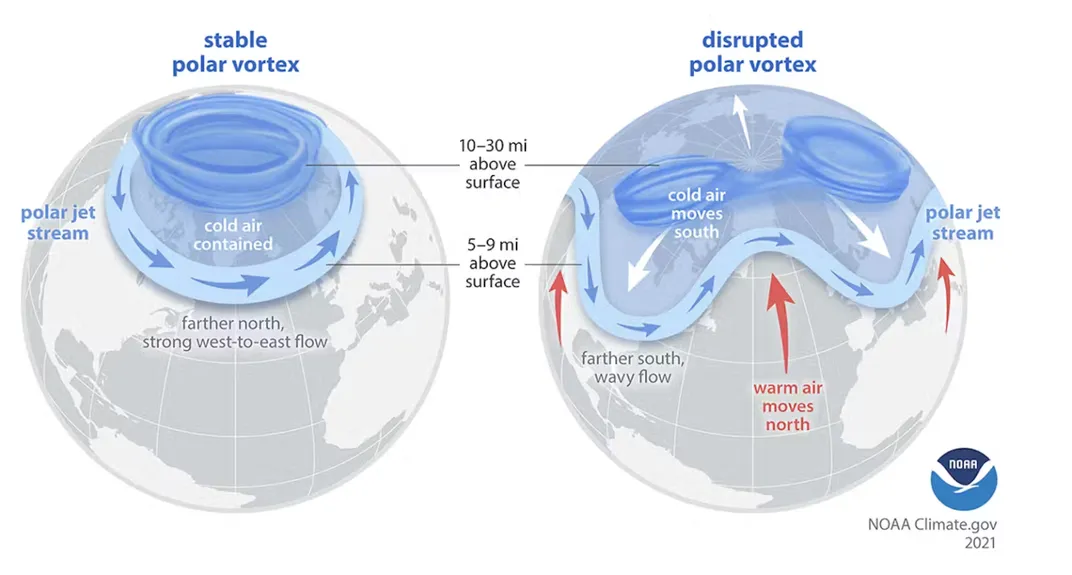
The polar vortex is a ring of westerly winds that forms about 10 to 30 miles above the Earth’s surface, which generally keeps the coldest air sequestered around the North Pole. It usually reaches its peak intensity in December and January and weakens later in the season.
This year, however, it’s already showing signs of disruption. Forecasts suggest that the polar vortex could collapse within the next week, report Joe Wertz and Mary Hui at Bloomberg. This extraordinary occurrence, combined with the “super” El Niño, could influence global weather patterns in ways that scientists are still trying to understand.
“As a weather fan, this is a big event because it’s so unprecedented,” says Judah Cohen, a climatologist at MIT, to Jackie Flynn Mogensen at Scientific American. “It’s a lot of excitement. Everybody’s hair is on fire in the climate or meteorologist community.”
When the polar vortex weakens, it can lead to something called sudden stratospheric warming (SSW). This phenomenon occurs when temperatures in the stratosphere, a layer of the Earth’s atmosphere, dramatically spike within just a few days. The temperature increase can weaken or even reverse the west-to-east winds of the polar vortex, sometimes causing the vortex to split apart. As a result, the cold air that is usually trapped within the stratosphere can be pushed south.
Need to know: Stratosphere
We reside in an atmospheric layer called the troposphere. The stratosphere sits above it, stretching from about 6.2 miles to 31 miles above Earth’s surface, and it contains the ozone layer.
Researchers have been keeping reliable records of these events since 1958, and only two other SSWs have been documented in November, says Laura Ciasto, a meteorologist at the National Oceanic and Atmospheric Administration, to Doyle Rice and Dinah Voyles Pulver at USA Today. Previously, the earliest polar vortex disruption happened on November 28 in 1968, reports Scientific American.
These events can have wide-ranging impacts. In 2021, a disruption pushed cold air into Texas, leading to the Great Texas Freeze. The devastating chill caused more than 200 deaths and left more than 4.5 million homes and businesses without power because of the enormous strain on the state’s power grid.
That doesn’t mean the same thing will happen this winter. For now, researchers are unsure how the collapsing polar vortex’s influence will interact with that of the ongoing El Niño. It’s a naturally occurring climate pattern characterized by warmer-than-average surface water temperatures in the Pacific Ocean and weakened east-to-west trade winds, which affects global weather patterns.
An El Niño year usually equates with milder winters in North America, but the polar vortex split could bring in cooler temperatures, per Scientific American. Northern Europe could also face chillier weather in a few weeks, report Matt Andrews and Morgan Thomas for the Guardian. But this year’s record-breaking El Niño could bring surprises.
“When multiple exceptional events happen at the same time, even without climate change, it’s hard to know what to think,” says Simon Lee, a polar vortex researcher at the University of St. Andrews in Scotland, to Bloomberg. “When you have a rapidly warming climate underneath that, it’s even harder.”
Overall, “El Niño will still be the primary driver behind this winter because it’s so strong,” Alex DaSilva, a meteorologist at AccuWeather, tells Anna Skinner at Newsweek.
As of now, AccuWeather is still forecasting a “very warm” Northeast and northern Midwest this winter, he adds. Researchers will continue monitoring temperature and wind patterns for clues about what’s to come, including whether another polar vortex disruption could happen later this winter.
