
New York Had Its First Measles Death in 30 Years. Here’s What to Know
Cases are still surging across the country amidst dropping vaccination rates

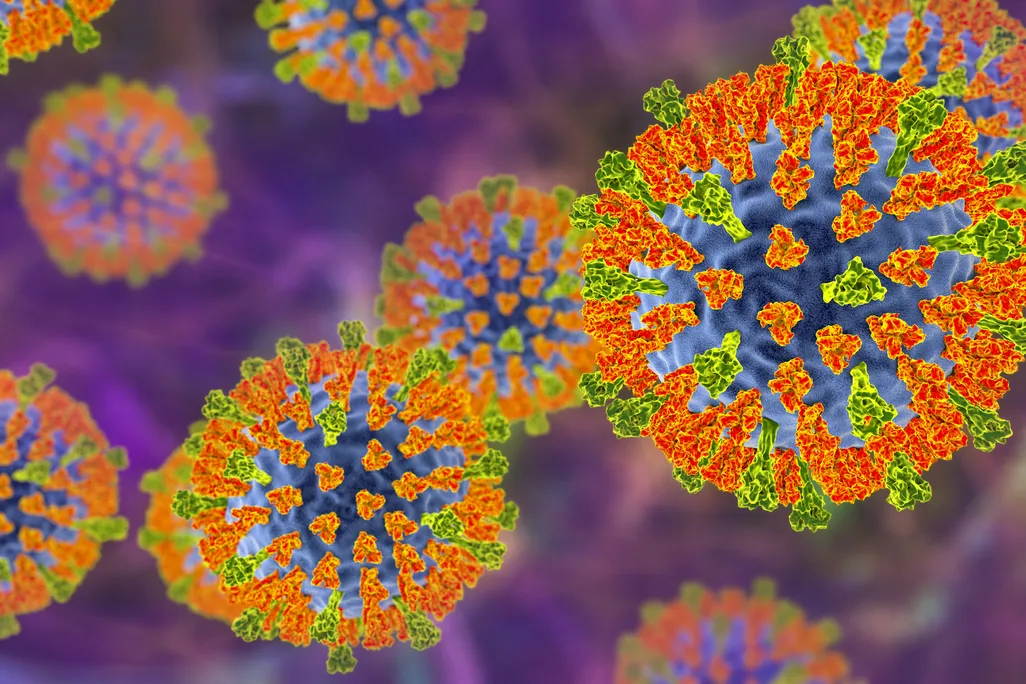
A 7-month-old child in New York died of measles on Monday, marking the state’s first death from the disease in more than 30 years.
New York Governor Kathy Hochul said in a statement that she was “heartbroken,” and that the death is “a devastating reminder of what’s at stake when Washington deliberately erodes decades of progress in protecting Americans from preventable illnesses.” Last month, Hochul declared measles a statewide disaster.
Measles is a highly infectious viral illness that infects the respiratory tract. Once eliminated from the United States, cases in the country have now reached the highest they’ve been in 35 years, with more than 5,000 cases counted so far. Pennsylvania is seeing the worst of it, with 140 cases counted in just the last two weeks and more than a thousand this year. These outbreaks put the United States at risk of losing its official measles elimination status, gained in 2000.
“The U.S. is in the throes of the deadliest measles outbreak it has seen in decades,” said Jennifer Nuzzo, an epidemiologist and director of the Pandemic Center at Brown University, to Lauren J. Young at Scientific American at the beginning of the year. “Losing measles elimination status is an official acknowledgement that the country is on the wrong path.”
This comes at a time of increased vaccine hesitancy and widespread anti-vaccine rhetoric by officials like Health Secretary Robert F. Kennedy Jr. In January, the Centers for Disease Control and Prevention (CDC) overhauled its immunization schedules for kids, dropping a number of recommended vaccines. While that decision didn’t include measles, vaccination rates for the measles, mumps and rubella (MMR) combined shot in kindergartners have dropped to 92.4 percent, which is below the critical 95 percent threshold for herd immunity.
Quick fact: Current immunization schedule for kids in the U.S.
- The CDC now recommends 11 immunizations for children, down from 17 in 2025. The six dropped from the list by January 2026 included immunizations for hepatitis A, hepatitis B, influenza, meningitis, respiratory syncytial virus (RSV) and rotavirus.
Roughly 96 percent of people infected with measles this year were either unvaccinated or had an unknown vaccination status, according to CDC data. Jeffery Tompkins, the coroner and district attorney of Lewis County, where the child died, confirmed to Joseph Goldstein at the New York Times that the infant was not vaccinated. Children typically receive the first dose of the MMR vaccine when they are between 12 and 15 months of age, though public health authorities can recommend that a child receive a dose at 6 months if there is a community outbreak.
“The MMR vaccine is the best way to prevent measles and stop outbreaks,” says Andrew D. Racine, the president of the American Academy of Pediatrics, to Melissa Jenco at AAP News. “It is safe, reliable, inexpensive and readily available. When enough people are vaccinated, the virus can’t spread throughout the community.”
While most measles outbreaks still mainly happen in countries with low income or weak health infrastructure, the United States is not the only high-income country facing rising cases. Last year, the Pan American Health Organization (PAHO) revoked Canada’s measles elimination status because it had 12 months of continual measles transmission. The United Kingdom is also experiencing a surge of cases. Experts blame decreasing vaccination rates for both countries.
PAHO will meet from November 10 to 13, when the United States is widely expected to lose its measles elimination status.
