
In 1969, the Beatles Played One Final Show. Their Makeshift Rooftop Stage in London Will Soon Become a Museum
Visitors to 3 Savile Row will be able to see a re-creation of the basement recording studio where the Beatles worked on their final album “Let It Be” and stand on the roof where the band thrilled Londoners with a surprise concert
:focal(1794x1419:1795x1420)/https://tf-cmsv2-smithsonianmag-media.s3.amazonaws.com/filer_public/67/d7/67d7f865-5832-4edd-8674-e72e1566ef4a/beatles.jpg)
The iconic rooftop concert in London that ended up being the Beatles’ last-ever public performance almost didn’t happen.
“George didn’t want to do it and Ringo started saying he didn’t really see the point,” Michael Lindsay-Hogg, who filmed the live show, tells BBC News’ Mark Savage. Then John cursed and said, “‘Let’s go do it.’”
Soon, fans will be able to see the view from the band’s 1969 performance perch on the same London rooftop at 3 Savile Row, which was home to the Beatles’ company Apple Corps and the place where they recorded the album Let It Be.
Apple Corps will open the building as a museum in 2027. It will include a re-creation of the basement recording studio where the Beatles worked.
“Every single day fans are taking pictures of the outside of 3 Savile Row—but next year they can go in and explore all seven floors of the iconic building, including the rooftop where even the railings remain the same from that famous day in 1969,” says Tom Greene, the chief executive of Apple Corps, in a statement.

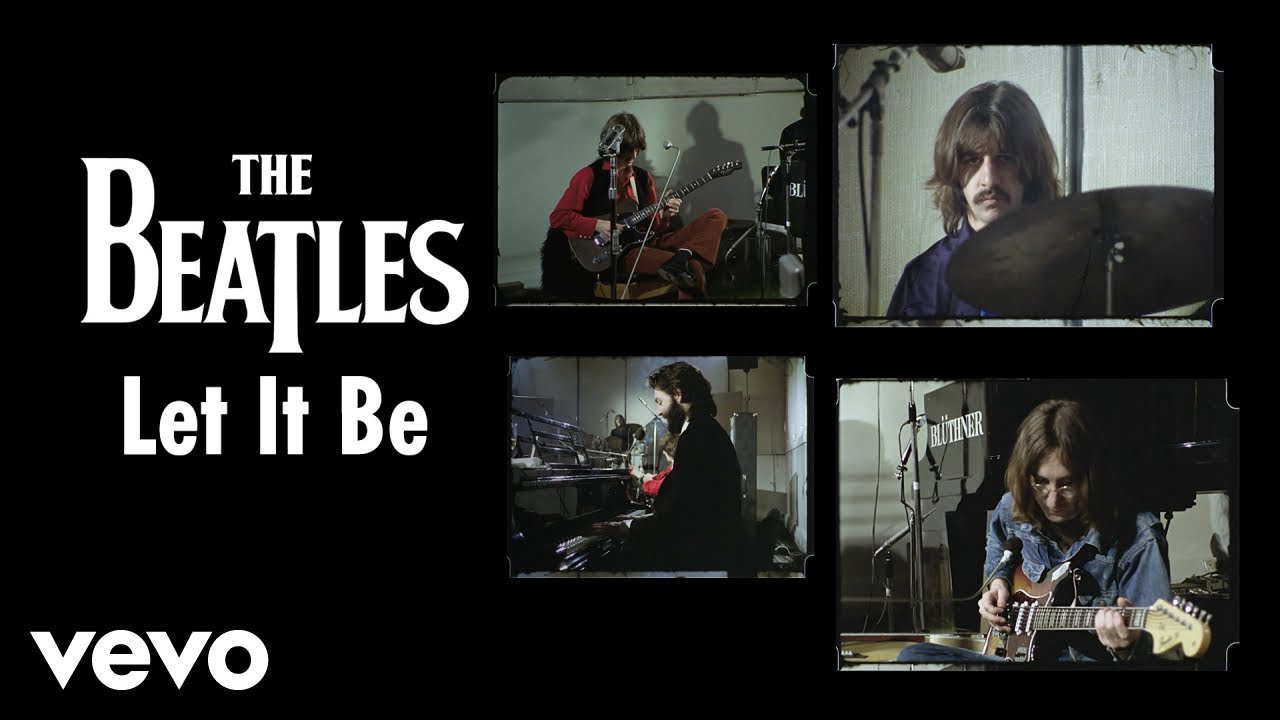
The concert took place as the Beatles worked on songs for Let It Be amid growing creative and personal tensions in the group. They had a tight deadline to write new material ahead of their first live concert in several years.
As Ben Sisario reported for the New York Times in 2021, the “band’s journey in January 1969 began with intense pressure to put on a high-concept live show and ended with something wonderfully low-concept: an impromptu lunchtime performance on a London rooftop that reminded the world of the band’s majesty, spontaneity and wit.” They played for about 40 minutes until noise complaints prompted police to shut down the show.
Beatles bandmember Paul McCartney tells BBC News that he thinks the museum is “a terrific idea,” especially because it gives fans an official Beatles destination in London.
“Tourists come to England and they can go to Abbey Road, but they can’t go inside [and] it snares up the traffic and the drivers get really annoyed,” McCartney says.
Fun fact: Pop stars
The Beatles were inducted into the Rock and Roll Hall of Fame in 1988, and its members were also inducted as individuals: John Lennon in 1994, Paul McCartney in 1999, George Harrison in 2004 and Ringo Starr in 2015.
Other Beatles museums exist in England, but those are not officially licensed. Beatle Ringo Starr says in the statement that seeing the building again was “like coming home.”
Interest in the band has remained high in the decades since its breakup in 1970. Four new movies, one focused on each of the four band members, are in production. In 2021, 3 Savile Row specifically had a moment in the spotlight when Peter Jackson, director of the “Lord of the Rings” movie trilogy, produced a three-part documentary about the weeks leading up to the iconic rooftop concert. The films, created from more than 60 hours of unseen footage and nearly 120 hours of previously unheard audio recordings of the Beatles, depict the band recording songs “Get Back” and “Let It Be.”
The project was an “impossible fan dream” for Jackson, he told the Times. “I wish I could go in a time machine and sit in the corner of the stage while they were working. Just for one day, just watch them, and I’ll be really quiet and sit there,” he said.
“Well, guess what?” he continued. “The time machine’s here now.”

This museum, says United Kingdom creative industries minister Ian Murray in a statement, per the Times of London, will provide another time machine of sorts.
“It’ll truly allow people to ‘come together’ and experience the band like never before at an iconic venue which holds so much history,” Murray says.